
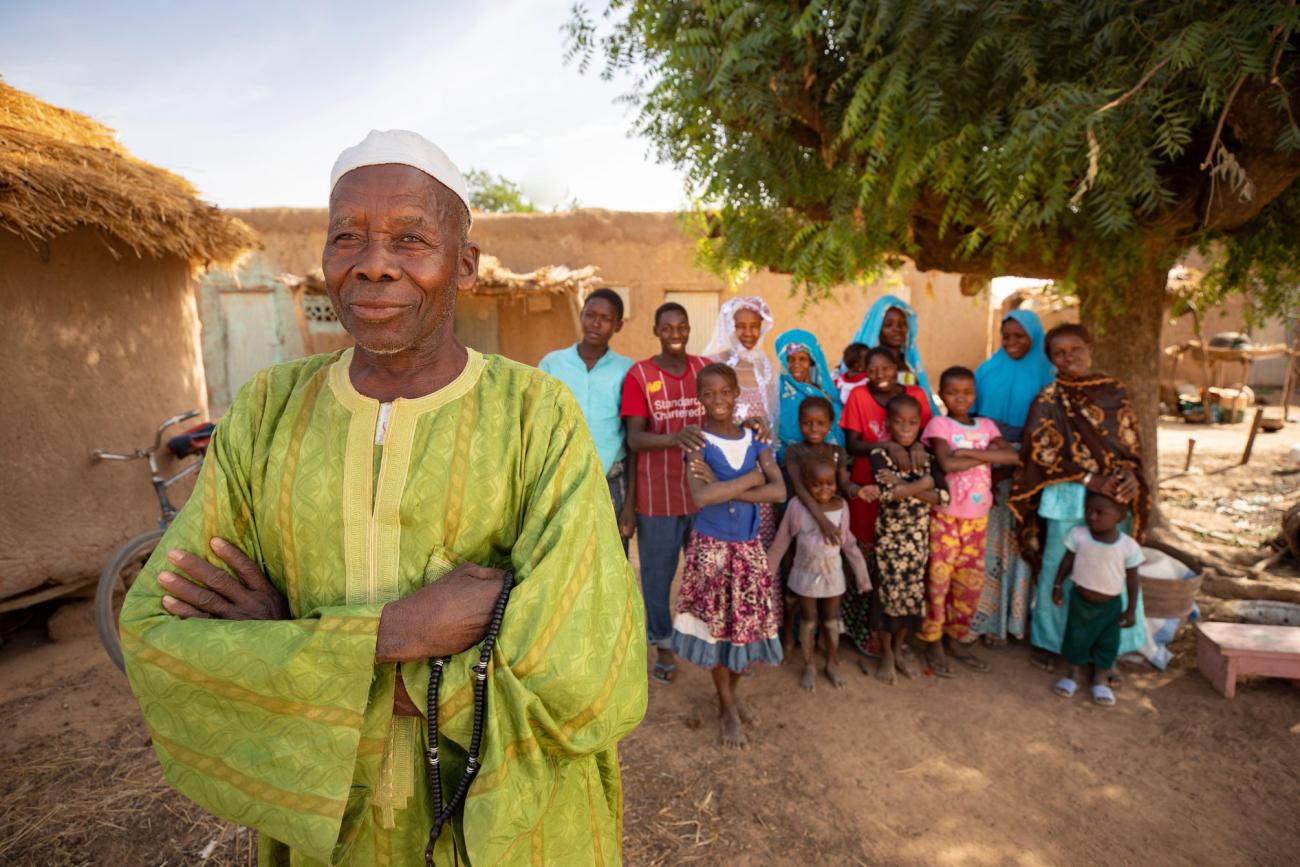
The Vatican document Una Caro in Praise of Monogamy reaffirms the Catholic Church’s enduring teaching that marriage is an exclusive and indissoluble union between one man and one woman. For Catholics, this teaching is neither negotiable nor unfamiliar. It is rooted in Scripture, upheld by Tradition, and cherished as a sacramental sign of Christ’s faithful love for the Church. Yet, when Una Caro entered African ecclesial conversations, it stirred something deeper than doctrinal debate. It reopened an old pastoral question: how does moral truth walk among fragile human lives without breaking them?
For African Christians, the Church’s teaching on marriage and family life is not experienced merely as a set of moral or canonical prescriptions. Marriage in Africa is a deeply communal reality, touching ancestry, kinship, social stability, and the future of children yet unborn. It is not simply a contract between two individuals, but a relational bond that integrates families and communities into a shared moral ecosystem where the good of one affects the good of all.
Una Caro has raised concerns among African theologians and pastors, not because they reject monogamy, but because they question the pastoral framing of African realities. One such concern was articulated by Leonida Katunge in an essay published on VoiceAfrique, where she asked whether Rome still tends to view Africa primarily through the narrow and outdated lens of polygamy. Her concern is not polemical; it is pastoral. Across much of contemporary Africa, monogamy is widely practiced and joyfully embraced by Catholic families. The more urgent pastoral challenge lies in a limited but painful category of cases: men and women who entered polygamous unions long before conversion or baptism, with lives, children, and responsibilities already deeply intertwined.
This concern is not abstract. In parish conversations, in marriage tribunals, and during catechetical instruction, pastors frequently encounter the quiet anguish of women and children caught in these situations. Theologians such as John S. Mbiti, Laurenti Magesa, and Bénézet Bujo have long insisted that African moral reasoning is fundamentally relational. Personhood is communal; responsibility is shared; moral decisions ripple outward into the lives of others. Marriage, therefore, can never be treated as a purely private arrangement. To intervene in it without careful discernment and accompaniment risks creating new wounds in the name of healing.
These concerns are deeply personal for me. They arise from nearly two decades of parish ministry across southeastern Nigeria—serving communities such as Umunze, Aguluezechukwu, Igbo-Ukwu, and Oko. I write not as a distant observer, but from lived pastoral experience, informed by Church teaching and years of walking with families facing complex marital challenges.
In most parishes I have served, Christian marriage is lived faithfully and beautifully. Yet, from time to time, a case emerges that tests not the truth of doctrine, but the wisdom of its application.
I recall the case of Mr. Uche Muogbo (a pseudonym), who came to the Church already married to two women. Both unions predated his conversion, and both women had borne him children. His desire to become fully Catholic was sincere. When he asked how to regularize his situation, the response he received was swift and unambiguous: he must choose one wife for sacramental marriage.
What followed was devastating. The younger wife was chosen—not necessarily because she was more loved, but because she had younger children and stronger social backing. The older woman, who had endured years of hardship with him, found herself displaced. Her children became marginal guests in their father’s home. Canonically, the requirement had been fulfilled. Pastorally, something precious had been broken.
In another parish, Emeka Okafor faced a similar directive. He complied outwardly but withdrew inwardly. The excluded wife and her children gradually drifted away from the Church, nursing wounds that catechetical instruction could no longer reach. In yet another case, Samuel Ezenwa simply walked away from the process altogether, choosing silence over shame. His faith did not disappear overnight, but trust did.
A recurring tragedy in such cases is what many pastors grimly call “selection.” When a man is compelled to choose one wife among many, it is often the younger woman who is chosen. The older wife—frequently economically vulnerable and socially exposed—is quietly discarded. Children perceive the injustice long before adults find language for it. Moral clarity, when severed from mercy, leaves hidden casualties.
None of these experiences argues against monogamy. Rather, they argue for careful pastoral discernment and compassionate accompaniment, as strongly emphasized in Amoris Laetitia. The Church’s moral tradition has always distinguished between proclaiming a universal principle and prudently guiding persons toward its concrete realization. Thomas Aquinas observed that while moral norms are universal, their application requires prudential attentiveness to circumstances, persons, and consequences (Summa Theologiae, I–II, q.94, a.4).
Pope Francis restates this tradition in pastoral language, warning against presenting moral law as an abstract ideal imposed without regard for lived complexity. Moral teaching, he insists, must function as a guide that heals and accompanies, not as a weapon that wounds (Amoris Laetitia, nos. 305–308).
Accompaniment, properly understood, is not compromised. It is presence. It is the slow work of listening, catechizing, protecting the vulnerable, and helping families grow toward the Gospel ideal without creating fresh injustices along the way. It asks difficult but necessary questions: How do we uphold monogamy while ensuring that no woman is discarded? How do we protect children from becoming unintended casualties of conversion? How do we guide families toward holiness without tearing them apart?
African wisdom offers an image that captures this process well: a calabash does not fill with water in one rain. Conversion is rarely instantaneous. Where accompaniment is patient, hearts open. Where it is absent, damage can be enduring.
It is here that a genuinely synodal approach becomes indispensable. Listening to the cries of African families affected by polygamy is not a rejection of doctrine, but a deeper reception of it. Many polygamous families remain excluded from full ecclesial life because of canonical requirements that demand immediate separation without adequate pastoral pathways. Synodality invites the Church to listen more attentively, to discern together, and to seek pastoral solutions that uphold truth while safeguarding justice and mercy.
Missionary theologian Aylward Shorter once noted that Christian ethics take root only when they engage real cultures with respect. Moral truth becomes compelling when people encounter the Church not merely as a teacher of rules, but as a mother who walks patiently with her children through complex journeys.
Una Caro stands firmly within the continuity of Catholic teaching. What African pastoral experience asks is both simple and demanding: let doctrine walk gently. Let it arrive not as a verdict, but as a companion. Let it protect women who have already given their youth to marriage. Let it shield children from becoming unintended victims of righteousness. Only then will doctrine truly take flesh on African soil.
How does moral truth walk among fragile human lives without breaking them—without turning doctrine into a burden rather than a path of healing, accompaniment, and hope?”
For African Christians, the Church’s teaching on marriage and family life is not experienced merely as a set of moral or canonical prescriptions. Marriage in Africa is a deeply communal reality, touching ancestry, kinship, social stability, and the future of children yet unborn. It is not simply a contract between two individuals, but a relational bond that integrates families and communities into a shared moral ecosystem where the good of one affects the good of all.
Una Caro has raised concerns among African theologians and pastors, not because they reject monogamy, but because they question the pastoral framing of African realities. One such concern was articulated by Leonida Katunge in an essay published on VoiceAfrique, where she asked whether Rome still tends to view Africa primarily through the narrow and outdated lens of polygamy. Her concern is not polemical; it is pastoral. Across much of contemporary Africa, monogamy is widely practiced and joyfully embraced by Catholic families. The more urgent pastoral challenge lies in a limited but painful category of cases: men and women who entered polygamous unions long before conversion or baptism, with lives, children, and responsibilities already deeply intertwined.
This concern is not abstract. In parish conversations, in marriage tribunals, and during catechetical instruction, pastors frequently encounter the quiet anguish of women and children caught in these situations. Theologians such as John S. Mbiti, Laurenti Magesa, and Bénézet Bujo have long insisted that African moral reasoning is fundamentally relational. Personhood is communal; responsibility is shared; moral decisions ripple outward into the lives of others. Marriage, therefore, can never be treated as a purely private arrangement. To intervene in it without careful discernment and accompaniment risks creating new wounds in the name of healing.
These concerns are deeply personal for me. They arise from nearly two decades of parish ministry across southeastern Nigeria—serving communities such as Umunze, Aguluezechukwu, Igbo-Ukwu, and Oko. I write not as a distant observer, but from lived pastoral experience, informed by Church teaching and years of walking with families facing complex marital challenges.
In most parishes I have served, Christian marriage is lived faithfully and beautifully. Yet, from time to time, a case emerges that tests not the truth of doctrine, but the wisdom of its application.
I recall the case of Mr. Uche Muogbo (a pseudonym), who came to the Church already married to two women. Both unions predated his conversion, and both women had borne him children. His desire to become fully Catholic was sincere. When he asked how to regularize his situation, the response he received was swift and unambiguous: he must choose one wife for sacramental marriage.
What followed was devastating. The younger wife was chosen—not necessarily because she was more loved, but because she had younger children and stronger social backing. The older woman, who had endured years of hardship with him, found herself displaced. Her children became marginal guests in their father’s home. Canonically, the requirement had been fulfilled. Pastorally, something precious had been broken.
Canonically, the requirement had been fulfilled. Pastorally, something precious had been broken—a family wounded, children displaced, and trust in the Church quietly eroded.”
In another parish, Emeka Okafor faced a similar directive. He complied outwardly but withdrew inwardly. The excluded wife and her children gradually drifted away from the Church, nursing wounds that catechetical instruction could no longer reach. In yet another case, Samuel Ezenwa simply walked away from the process altogether, choosing silence over shame. His faith did not disappear overnight, but trust did.
A recurring tragedy in such cases is what many pastors grimly call “selection.” When a man is compelled to choose one wife among many, it is often the younger woman who is chosen. The older wife—frequently economically vulnerable and socially exposed—is quietly discarded. Children perceive the injustice long before adults find language for it. Moral clarity, when severed from mercy, leaves hidden casualties.
None of these experiences argues against monogamy. Rather, they argue for careful pastoral discernment and compassionate accompaniment, as strongly emphasized in Amoris Laetitia. The Church’s moral tradition has always distinguished between proclaiming a universal principle and prudently guiding persons toward its concrete realization. Thomas Aquinas observed that while moral norms are universal, their application requires prudential attentiveness to circumstances, persons, and consequences (Summa Theologiae, I–II, q.94, a.4).
Pope Francis restates this tradition in pastoral language, warning against presenting moral law as an abstract ideal imposed without regard for lived complexity. Moral teaching, he insists, must function as a guide that heals and accompanies, not as a weapon that wounds (Amoris Laetitia, nos. 305–308).
Accompaniment, properly understood, is not compromised. It is presence. It is the slow work of listening, catechizing, protecting the vulnerable, and helping families grow toward the Gospel ideal without creating fresh injustices along the way. It asks difficult but necessary questions: How do we uphold monogamy while ensuring that no woman is discarded? How do we protect children from becoming unintended casualties of conversion? How do we guide families toward holiness without tearing them apart?
African wisdom offers an image that captures this process well: a calabash does not fill with water in one rain. Conversion is rarely instantaneous. Where accompaniment is patient, hearts open. Where it is absent, damage can be enduring.
It is here that a genuinely synodal approach becomes indispensable. Listening to the cries of African families affected by polygamy is not a rejection of doctrine, but a deeper reception of it. Many polygamous families remain excluded from full ecclesial life because of canonical requirements that demand immediate separation without adequate pastoral pathways. Synodality invites the Church to listen more attentively, to discern together, and to seek pastoral solutions that uphold truth while safeguarding justice and mercy.
Missionary theologian Aylward Shorter once noted that Christian ethics take root only when they engage real cultures with respect. Moral truth becomes compelling when people encounter the Church not merely as a teacher of rules, but as a mother who walks patiently with her children through complex journeys.
Una Caro stands firmly within the continuity of Catholic teaching. What African pastoral experience asks is both simple and demanding: let doctrine walk gently. Let it arrive not as a verdict, but as a companion. Let it protect women who have already given their youth to marriage. Let it shield children from becoming unintended victims of righteousness. Only then will doctrine truly take flesh on African soil.
What African pastoral experience asks is both simple and demanding: let doctrine walk gently, arriving not as a verdict but as a companion that protects the vulnerable and heals without destroying.”

2 comments
Thanks for this article! It’s really interesting and insightful. I liked how it shows that while Church teaching on marriage is clear, applying it in Africa requires compassion and patience. It made me see that moral rules should guide and protect families, not hurt them.
God bless the author, very interesting please more of it