
When Faith Thinks and Reason Believes
St. Thomas Aquinas, African Wisdom, and the Search for Truth in Nigeria Today

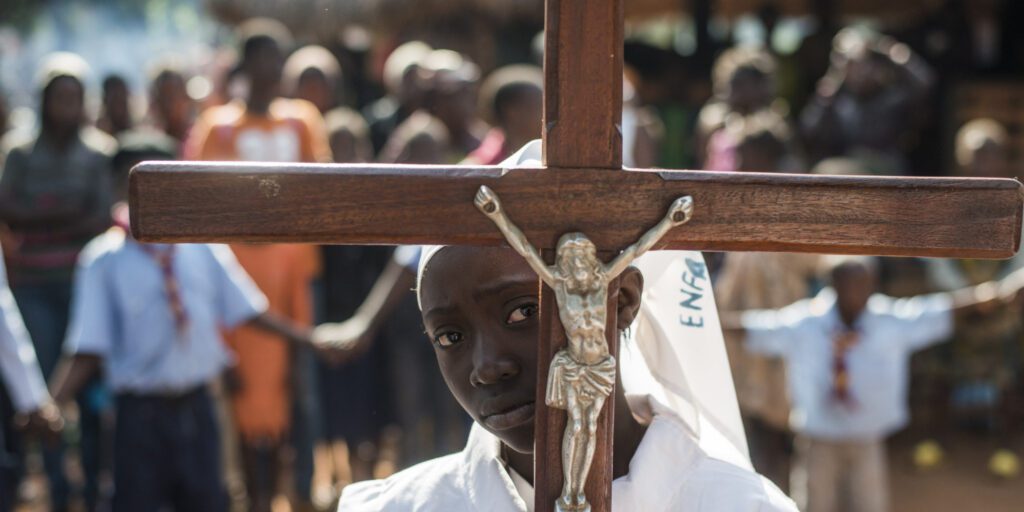
On a humid afternoon in a public secondary school in southeastern Nigeria, I was asked to address students preparing for their final examinations. After speaking about discipline and hope, I posed a simple question: What does faith mean to you? A boy in the front row raised his hand and replied without hesitation, “Faith means not asking questions.” The class murmured in agreement. Weeks later, at a professional forum in Awka, a senior consultant dismissed an ethical concern raised by a colleague: “Religion should stay out of serious thinking.” The room fell silent—not in disagreement, but in consent.
These were not random remarks. They revealed a shared assumption across social spaces: faith and reason belong to separate worlds. One is expected to obey without reflection; the other to function without belief. Nigeria is living with the consequences of this separation.
The problem is not a lack of faith or intelligence, but the absence of their integration
The country is visibly religious and intellectually vibrant, yet persistent crises remain unresolved. Religious devotion flourishes alongside documented cases of manipulation and abuse of trust. Technically competent professionals design systems that function efficiently while producing unjust outcomes. Electoral processes are administratively sophisticated yet publicly distrusted. The problem is not a lack of faith or intelligence, but the absence of their integration.
St. Thomas Aquinas offers a framework that exposes why this divide is neither inevitable nor harmless. In the Summa Theologiae, he argues that sacred doctrine is a genuine form of knowledge (scientia) because it proceeds from principles revealed by God and received through reasoned assent (ST I, q.1, a.2). Truth, for Aquinas, is one because its source is one. What is known by reason and what is received by faith cannot ultimately contradict each other.
This conviction grounds Aquinas’ rejection of fideism. In Summa Contra Gentiles, he insists that truths of faith are not opposed to reason, even when they surpass it, because both reason and revelation originate in God (SCG I, ch. 7). To discourage questioning in the name of faith, therefore, is to misunderstand faith itself. Belief, properly understood, seeks understanding (fides quaerens intellectum), not intellectual silence.
Contemporary Nigeria offers sobering illustrations of what happens when faith is severed from reason. Media reports and pastoral experience reveal cases where believers are persuaded to abandon medical treatment, surrender property, or submit to degrading practices in the name of spiritual obedience. These are not failures of belief, but failures of discernment. When faith is shielded from critical reflection, it becomes vulnerable to manipulation. Aquinas anticipated this danger by insisting that reason serves faith by testing coherence and guarding against superstition.
At the opposite extreme lies rationalism—the assumption that only what can be empirically verified deserves assent. Aquinas challenges this posture with equal clarity. Human reason, he argues, is powerful yet finite. It can know God through created effects, but it cannot comprehend divine essence fully (ST I, q.12, a.12). Reason does not lose dignity when it acknowledges transcendence; it gains orientation. Belief, in this sense, completes reason rather than diminishes it.
Wisdom without good character is a danger
Nigeria’s public life frequently demonstrates the cost of reason detached from belief. Policies are justified with technical language while ignoring human consequences. Professional competence operates without ethical accountability. Corruption is explained away as pragmatism. Intelligence functions, but wisdom is absent. African moral philosophy has long warned against this imbalance. Among the Igbo, wisdom is not measured by cleverness alone: Amamihe na-enweghị ezi omume bụ ihe egwu—wisdom without good character is a danger.
Aquinas articulates the same distinction through the difference between scientia and sapientia—science and wisdom. In the Summa Theologiae, he identifies wisdom as the intellectual virtue that judges all things according to their highest cause and ultimate end (ST II–II, q.45, a.1). Knowledge becomes destructive when it is no longer ordered toward the good. This insight resonates deeply with African traditions where intelligence is evaluated by its capacity to serve communal life.
Nigeria’s wounds are therefore concrete. They appear in religious enthusiasm unaccompanied by discernment, in education systems that reward certification more than character, in leadership that knows what works but not what is right, and in public reasoning that treats ethics as an afterthought. Prayer without reflection cannot heal these wounds. Neither can intelligence that refuses moral responsibility.
The integration Aquinas proposes is not medieval nostalgia; it is urgently contemporary. Faith must be allowed to think—to question authority, to test spirits, to form conscience. Reason must be allowed to believe—not credulously, but humbly, recognizing its limits and ethical obligations. Scripture itself models this union. Jesus does not condemn inquiry; He confronts resistance to truth (John 3:19). The failure lies not in questioning, but in refusing conversion when truth becomes clear.
Faith that refuses to think becomes vulnerable to manipulation. Reason that refuses to believe becomes morally disoriented
This vision also echoes African wisdom, which has always linked knowledge with responsibility. To know and remain indifferent is considered a moral failure. Aquinas and African sages converge here: truth is not possession, but vocation.
Nigeria’s renewal will not come from louder prayers that refuse thought, nor from sharper intelligence that rejects belief. It will come from wisdom—faith that thinks, reason that believes, and knowledge that serves the common good.
When faith thinks, it matures.
When reason believes, it becomes humane.
When the two walk together, wisdom is born—and with it, hope.



Join the conversation