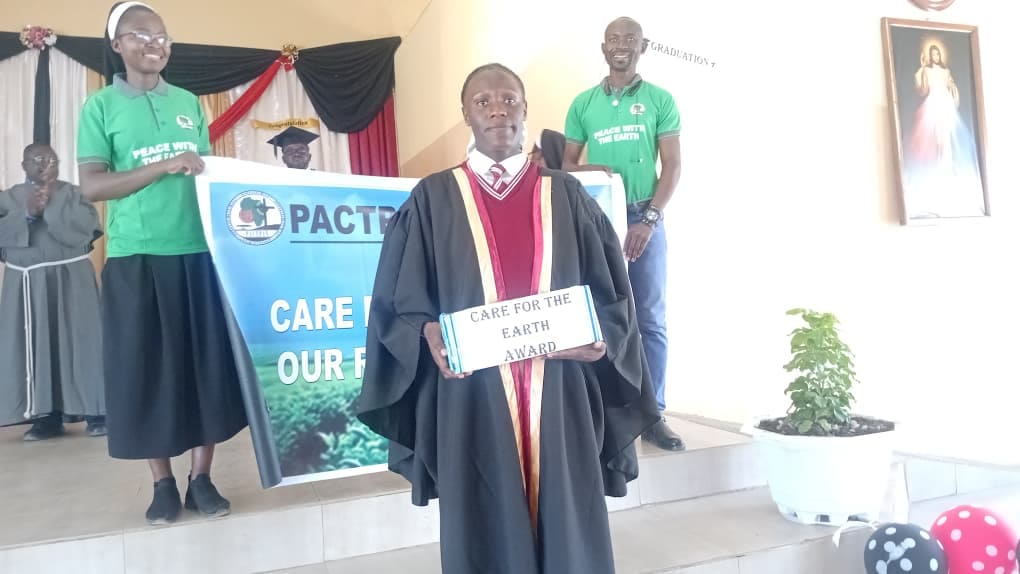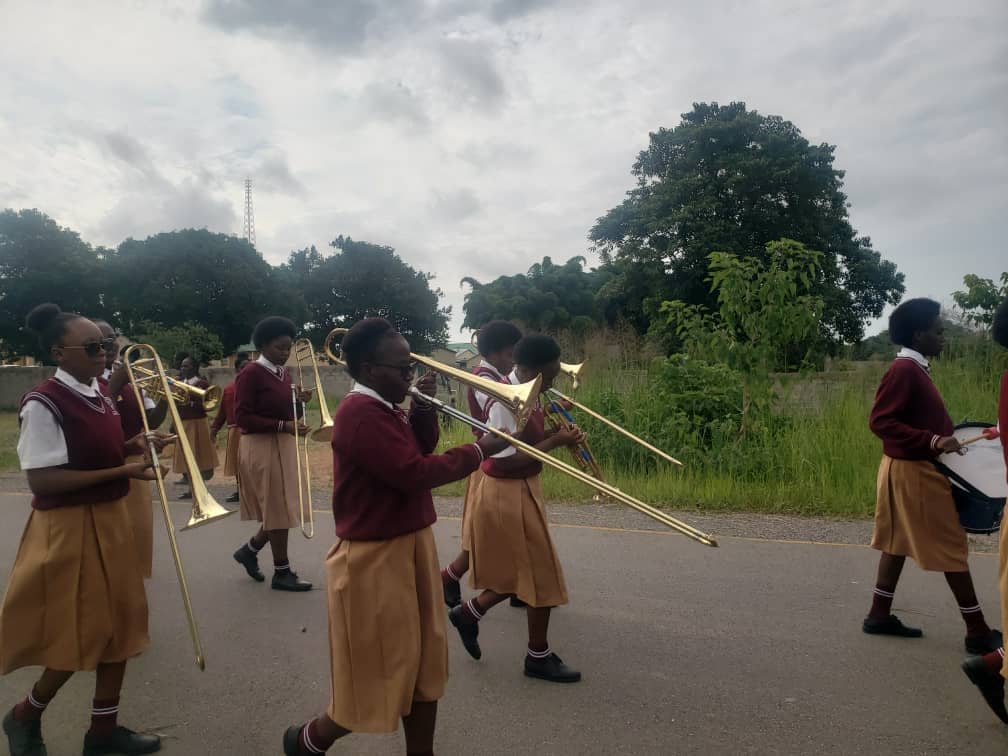

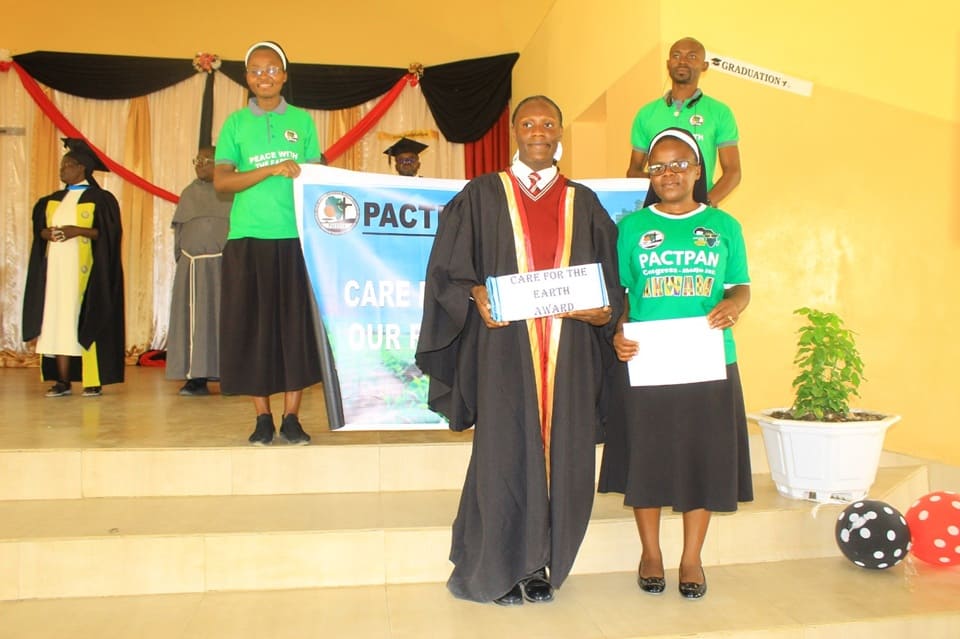
The recent celebration at Holy Trinity Girls’ School was more than a ceremony—it was a quiet revolution wrapped in prayer, song, and youthful conviction. Held during the Grade 12 graduation, the event became an unexpected stage for honouring a group of girls who have stood out not only for their academic effort, but also for their faith-driven commitment to safeguarding creation. Twenty girls stepped forward, not as students completing a task, but as caretakers of the environment, living out a mission that reaches far beyond the boundaries of their rural school.
A School Rooted in Mission
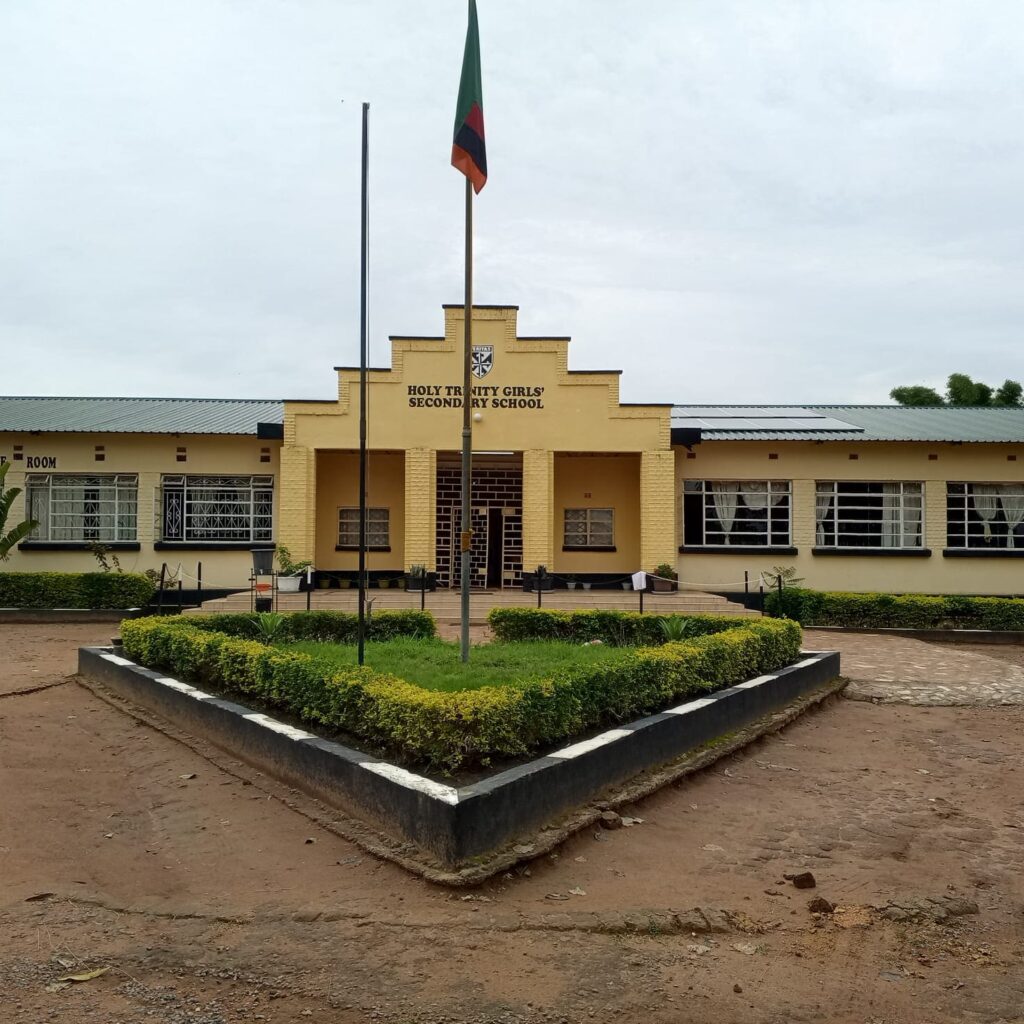
Holy Trinity Girls’ School is a Catholic boarding secondary school in the rural part of Mansa Diocese, serving girls from Grades 8 to 12. The institution was entrusted to the Dominican Missionary Sisters of the Sacred Heart of Jesus at the invitation of Bishop Patrick Chisanga, OFM Conv., who sought to strengthen the school’s pastoral and educational mission. When the sisters assumed responsibility, the school faced considerable challenges—strained infrastructure, overcrowded dormitories, and inadequate learning spaces.
Since 2017, the school has been under the dedicated leadership of Sr. Florence Kapongolo, whose steady guidance has contributed to restoring the school’s environment, discipline, and academic focus. With the sisters’ presence, Holy Trinity has gradually become a place where girls can learn, grow, and live with dignity, strengthened by faith and supported in forming a sense of responsibility for the world around them.
As part of this educational mission, the Dominican Sisters continue to deepen the girls’ understanding of stewardship and justice. Leading environmental formation is Sr. Mirriam Chise Nkole, who plays an active role in shaping the school’s Justice, Peace, and Integrity of Creation (JPIC) programmes.
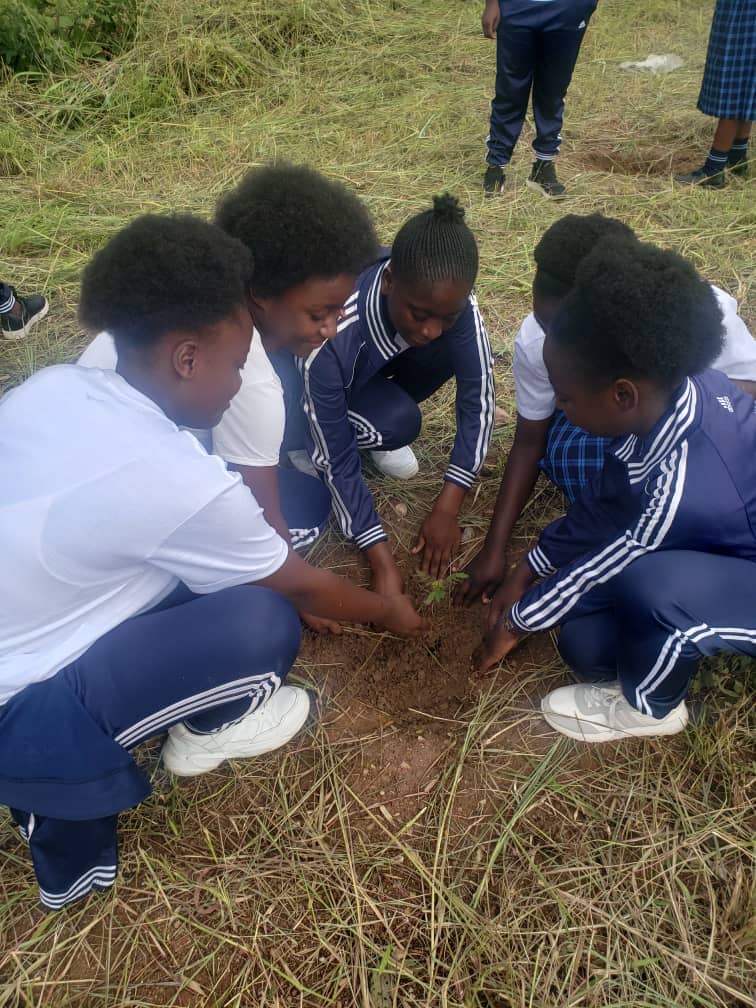
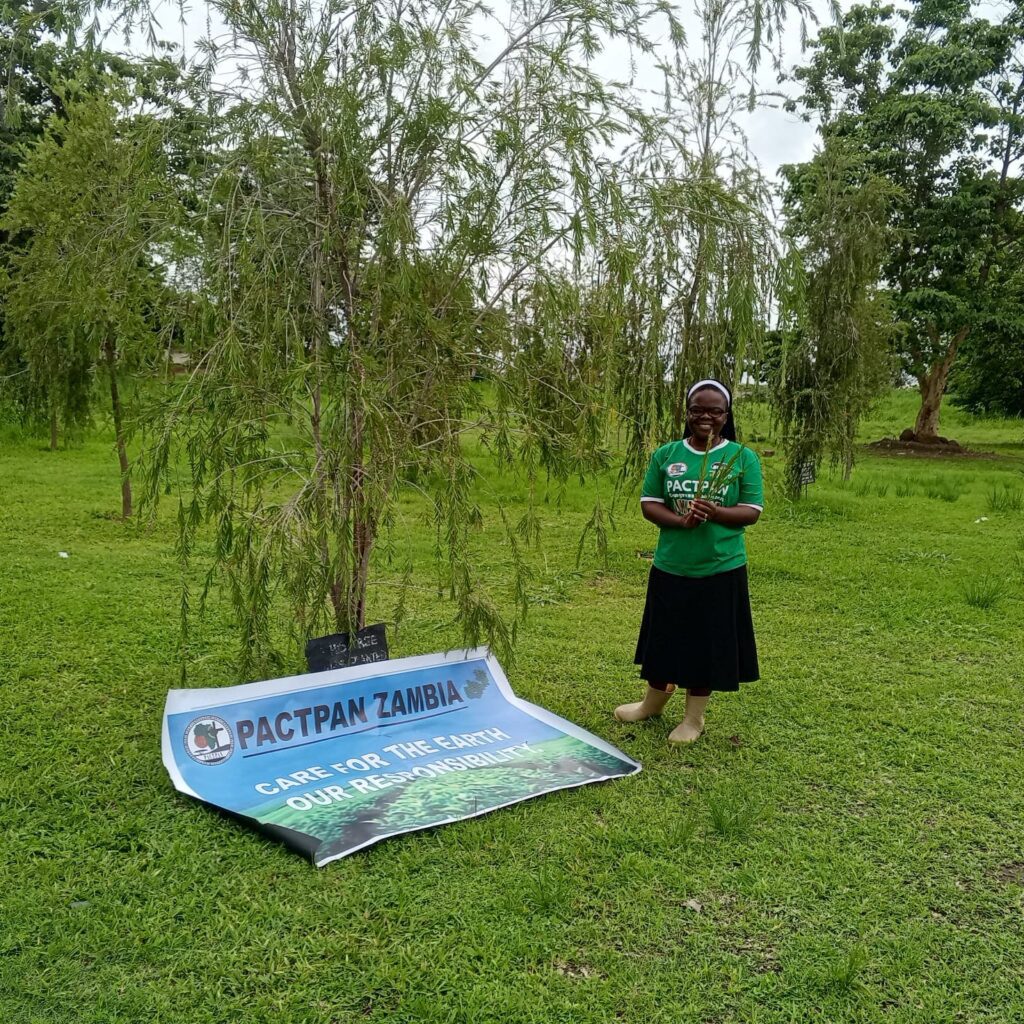
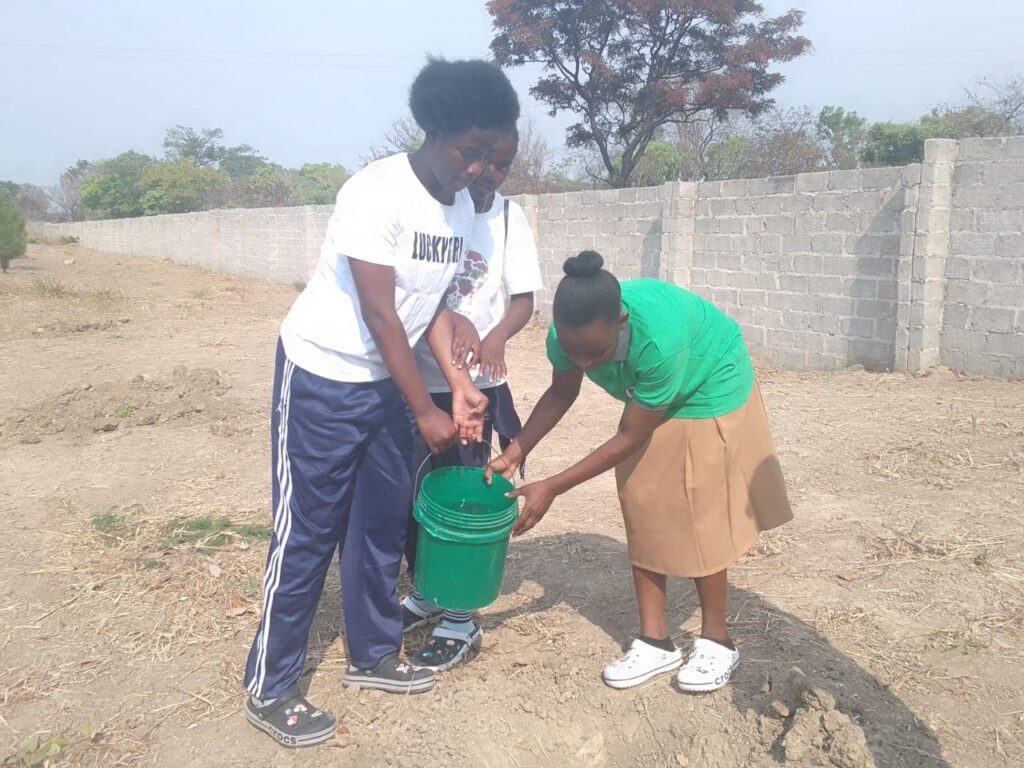
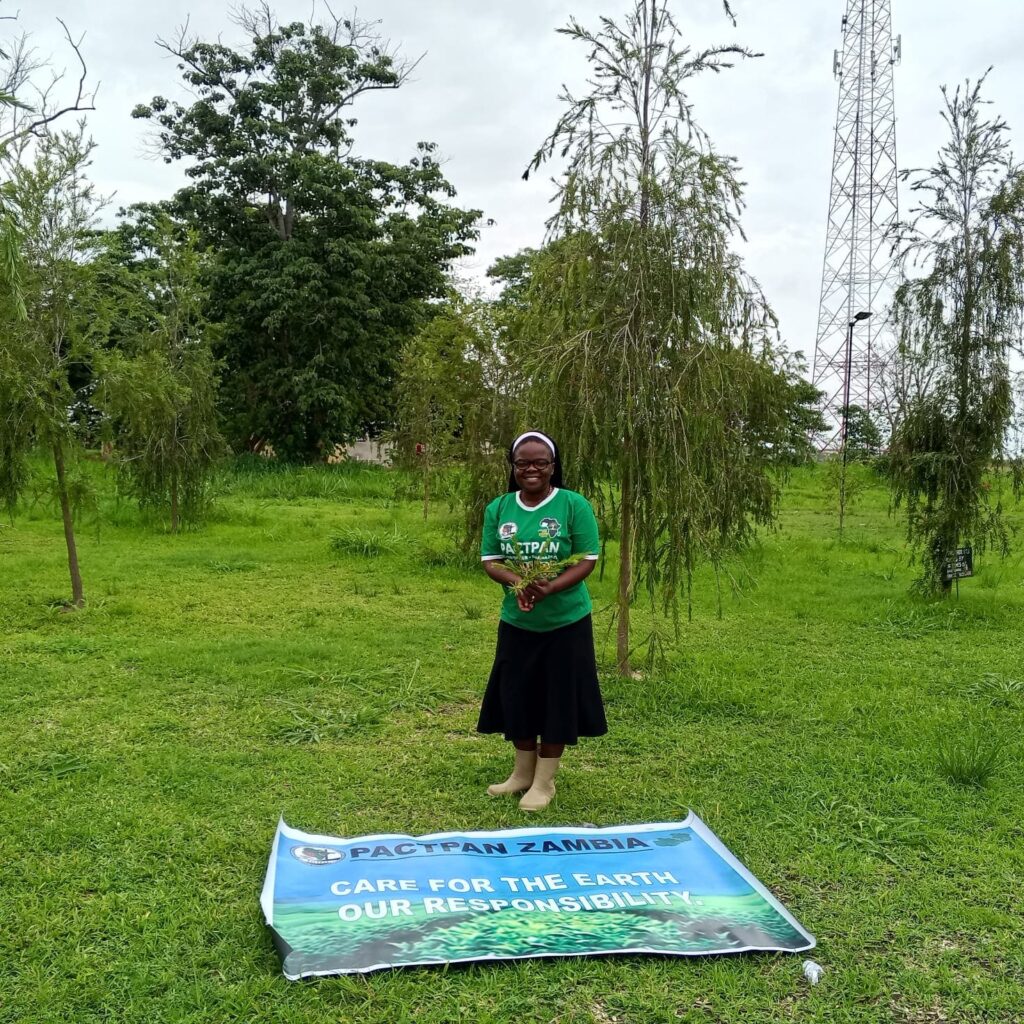
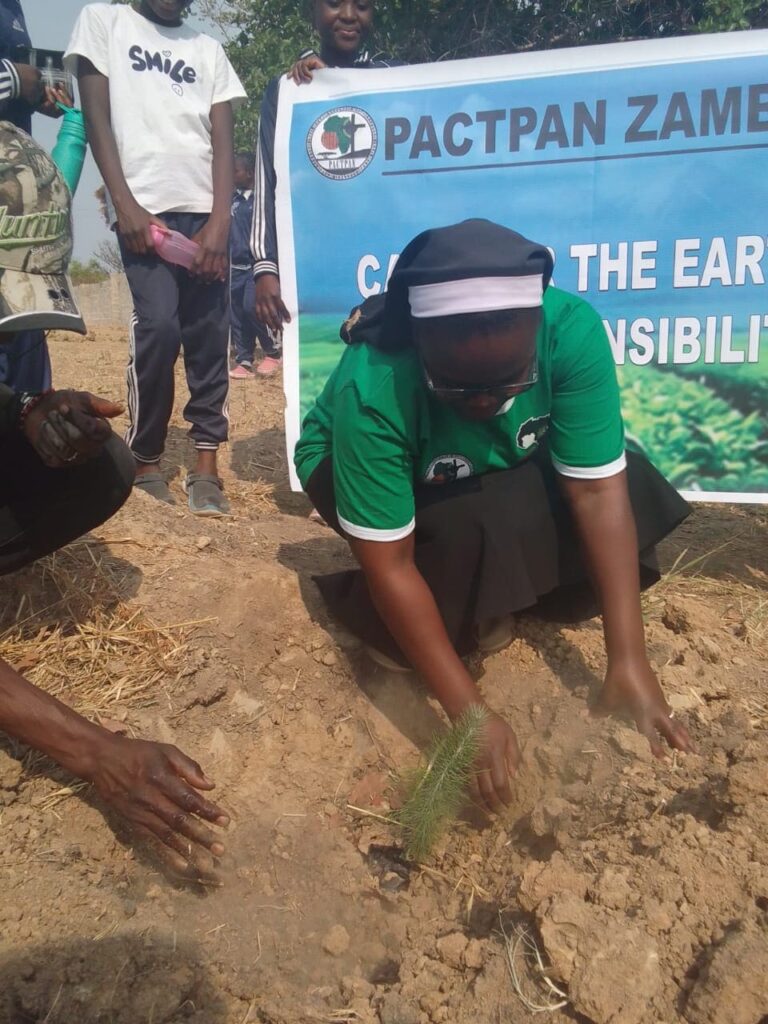
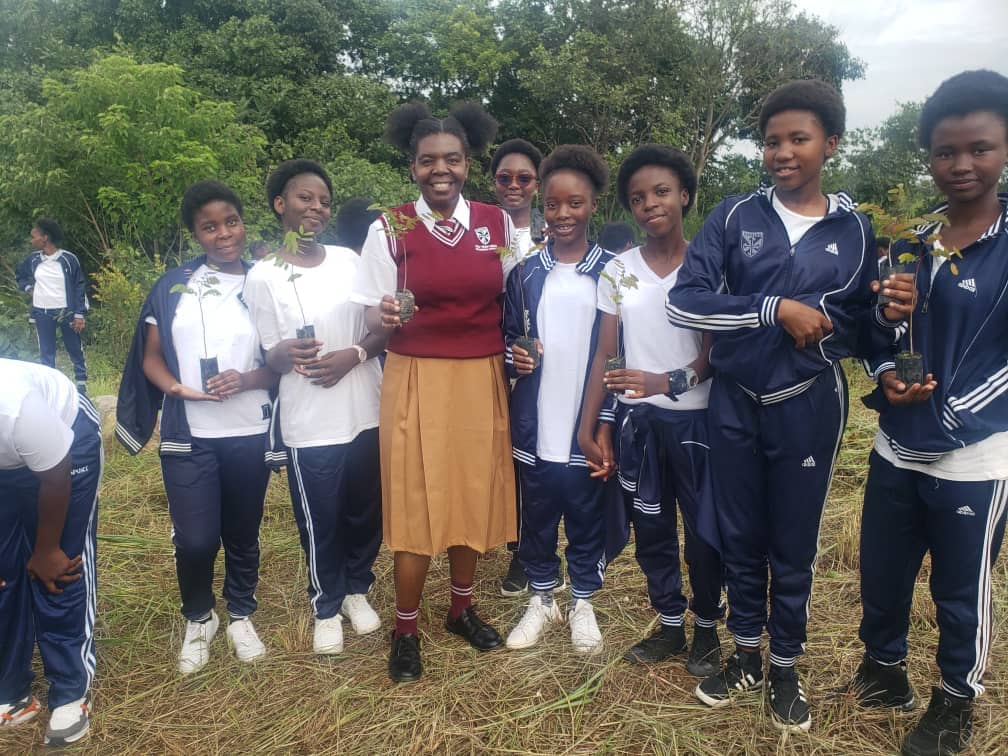
Through PACTPAN, the students have embraced practical action: planting trees across the campus, tending gardens, reviving degraded areas, and maintaining clean, orderly surroundings. Their efforts have transformed parts of the school environment and nurtured in them a spiritual conviction that harming the environment is not merely a scientific concern, but a moral one. Caring for creation has become a daily expression of worship.
Parents, visibly moved during the graduation celebration, witnessed their daughters stepping into a new maturity—one that blends responsibility with reverence. The girls’ environmental work became a symbol of a greater promise: the desire to build “peace with the environment,” healing the wounded relationship between humanity and nature.
Rooted in the Church’s Continental Vision
Importantly, the initiative reflects the broader vision of SECAM as outlined in the Kampala Document (2019). In Chapter Six, Care of Our Common Home, the African bishops call on Catholic institutions to foster ecological conversion, encourage sustainable lifestyles, and promote environmental protection as an expression of faith. By aligning with this teaching, Holy Trinity Girls’ School situates its efforts within a wider continental mission of the Church.
The Fruits of Righteous Action
The results of the girls’ efforts are visible in the budding saplings they planted and the renewed sense of environmental responsibility they have cultivated among their peers. By leading conservation work at their school, these young students are redefining what it means to live their faith openly and actively. Their witness shows that discipleship is never passive—it must engage with the world’s most urgent concerns.
Through PACTPAN, the girls are poised to become ambassadors of environmental justice, inspiring their classmates and the community to take meaningful, faith-rooted action. Their commitment embodies SECAM’s ecological vision: forming a new generation that sees the environment not as a resource to exploit, but as a home to protect.
Holy Trinity’s Daughters and the Promise Ahead
As the girls received their certificates during the graduation ceremony—a symbol of dedication and calling—their faces shone with purpose. Strengthened by formation and grounded in faith, they step forward ready to influence their communities with the conviction that nurturing creation is a direct way of honouring the Creator.
In their witness, Holy Trinity’s daughters remind us that environmental care is not optional. It is a sacred duty, a path to peace, and a light of hope in a climate-threatened world. Through their hands, their hearts, and their faith, these students are helping shape a future where creation is honoured—and where creation, in turn, continues to sustain life.