
This Must Not Become Another Forgotten African Tragedy: PACTPAN Calls for Urgent International Solidarity in Response to Ebola Outbreak.

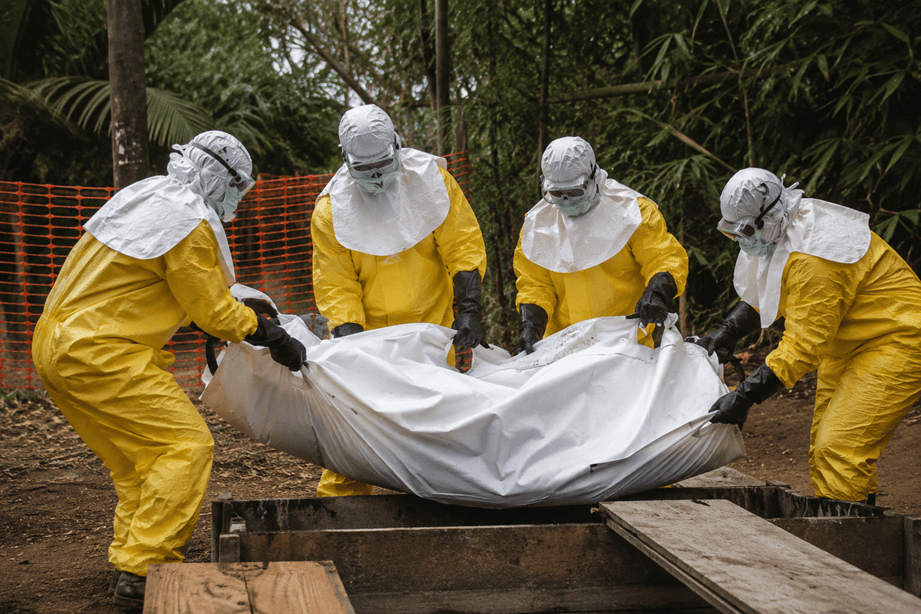
“Carry each other’s burdens, and in this way you will fulfill the law of Christ.” — Galatians 6:2
“The suffering of one people can never be treated as the problem of others alone. Our humanity is tested precisely in whether we are capable of solidarity across borders, races, and histories.”
— Pope Leo XIV
The Pan-African Catholic Theology and Pastoral Network expresses profound sorrow and deep concern over the rapidly escalating Ebola outbreak currently affecting the Democratic Republic of Congo and neighboring countries in East and Central Africa. We stand in prayerful solidarity with the people of the DRC, Uganda, and all vulnerable communities now facing yet another devastating public health emergency marked by fear, suffering, uncertainty, and loss of life.
Reports from health authorities and international agencies indicate that the present outbreak involves the Bundibugyo species of Ebola virus, a highly dangerous strain for which there is presently no licensed vaccine or approved therapeutic treatment. More than 150 deaths have already been reported, with many more infections suspected as the outbreak continues to spread in densely populated and highly mobile regions affected by insecurity, displacement, weak health infrastructure, and humanitarian instability. The World Health Organization has declared the outbreak a Public Health Emergency of International Concern requiring urgent international coordination, scientific collaboration, and sustained global attention.
This outbreak is unfolding within an already fragile context marked by armed conflict, mass displacement, poverty, inadequate sanitation systems, fragile healthcare institutions, refugee movements, and intense cross-border commercial activity. These conditions create enormous obstacles to disease surveillance, contact tracing, infection prevention and control, PPE use, safe patient referral systems, and community education. The risk of wider regional transmission remains significant if urgent and coordinated action is not sustained.
Beyond statistics and epidemiological reports lies the immense human suffering of ordinary African families and communities. Poor and rural populations continue to bear the heaviest burden of infectious disease outbreaks because of longstanding structural inequities that have weakened public health systems across many parts of Africa. Women, who often serve as caregivers within homes, clinics, and communities, remain particularly vulnerable. Children, displaced persons, refugees, and populations living in remote regions face heightened risks because of limited access to healthcare services, clean water, sanitation, and timely medical intervention.
PACTPAN is especially mindful of the extraordinary sacrifices being made by frontline healthcare workers and pastoral caregivers. Doctors, nurses, laboratory personnel, community health workers, chaplains, women religious, catechists, and volunteers continue to place themselves at risk in service to the sick and vulnerable. In many Ebola outbreaks, healthcare workers are disproportionately affected because of occupational exposure within hospitals and treatment facilities, shortages of personal protective equipment, weak infection prevention systems, and healthcare-associated transmission, commonly described as nosocomial infections.
We commend the many faith-based organizations, churches, mosques, community leaders, and local pastoral agents already engaged in education, accompaniment of grieving families, care for survivors, community sensitization, support for safe burial, trauma healing, and collaboration with health authorities. Experience from previous Ebola outbreaks and the COVID pandemic demonstrates clearly that community engagement and trust are indispensable to effective disease containment. Public health interventions succeed only when local communities are respected, informed, and empowered as active participants in the response.
PACTPAN welcomes the invitation from the World Health Organization to participate in consultations on the role of faith communities and pastoral networks in supporting prevention efforts, risk communication, treatment support, and public health education. We reaffirm our commitment to working collaboratively with local churches, faith-based organizations, public health authorities, humanitarian agencies, and international partners to address this crisis with compassion, scientific responsibility, and solidarity.
At the same time, we must speak with honesty and moral clarity about the painful historical patterns that continue to accompany major disease outbreaks in Africa. Too often, the international response to epidemics affecting Africa has been shaped by fear, isolationism, and global inequity rather than by justice and genuine solidarity. We repeatedly witness situations in which foreign nationals are rapidly evacuated from affected regions while African healthcare workers and vulnerable populations remain exposed with inadequate resources and insufficient protection. We witness panic-driven travel restrictions, border closures, and flight bans that frequently lack scientific grounding and often deepen the suffering of already vulnerable communities.
The lessons from the 2014 Ebola outbreak and the COVID pandemic must not be forgotten. The answer to infectious disease outbreaks is not abandonment, stigmatization, or isolation of affected populations. The most effective response is rapid containment and treatment at the source of infection through strong local health systems, equitable access to medical resources, investment in surveillance and laboratory capacity, protection of frontline workers, community education, and international scientific cooperation. Africa must not continue to remain a clinical desert where preventable deaths occur because of global neglect and structural inequality.
We therefore call upon the international community, African governments, multilateral institutions, philanthropic organizations, research institutions, and faith communities to act urgently and decisively.
PACTPAN specifically calls for:
- increased emergency support for affected countries and local healthcare systems;
- protection, training, and adequate equipment for frontline health workers;
- accelerated research collaboration for vaccines and therapeutics targeting the Bundibugyo strain;
- equitable access to future medical countermeasures for African populations;
- strengthened surveillance, laboratory systems, and cross-border coordination;
- sustained support for community education and faith-based public health initiatives;
- rejection of unnecessary travel bans and border closures unsupported by scientific evidence; • long-term investment in resilient healthcare systems capable of responding to future pandemics;
- adoption of a One Health approach recognizing the interconnectedness of human, environmental, and animal health.
This must not become another forgotten African tragedy.
The lives of African peoples possess equal dignity and equal worth. The global community cannot afford once again to respond only when outbreaks threaten wealthier nations or international markets. Genuine global solidarity demands more than temporary humanitarian concern after a crisis escalates. It requires long-term commitment to justice, equity, healthcare access, scientific partnership, and human dignity.
As people of faith, we pray for all those who have lost loved ones, for those currently infected and receiving treatment, for healthcare workers and caregivers risking their lives daily, and for all leaders and scientists working tirelessly to contain this outbreak. May the Lord strengthen the weak, comfort grieving families, protect vulnerable communities, and grant wisdom and courage to all those responding to this deadly hemorrhagic fever.
Africa must not be abandoned in its hour of suffering. This is a moment for global responsibility, moral courage, scientific cooperation, and renewed commitment to our common humanity.
Sr Jane Waruguru Kimathi, Director of Programs
Fr Stan Chu Ilo, STL, GMPH, PhD, Coordinating Servant
Sr Jackie Nsom, MD, Public Health Consultant
Sr Teresah Kiragu Wacera, PhD, Head, Health and Healing Unit
May 22, 2026


Join the conversation