
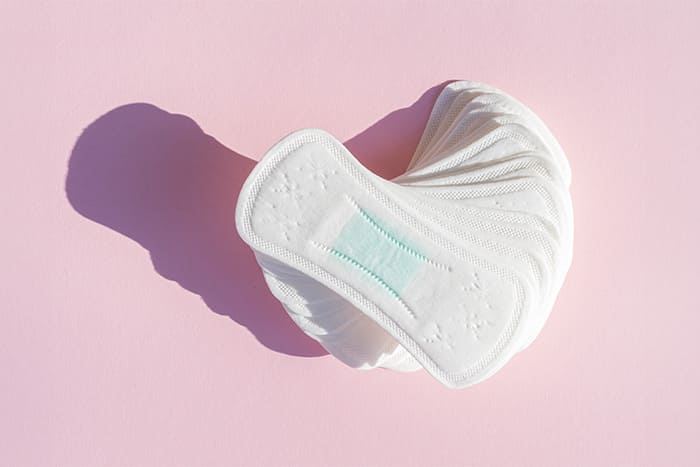
Across many African communities, menstruation remains surrounded by silence, shame, and deeply rooted cultural misconceptions. For millions of girls and women, what should be understood as a natural biological process is instead treated as something hidden, embarrassing, or even unclean. While conversations around women’s health are gradually increasing globally, menstrual hygiene and menstrual equity continue to receive limited attention in many parts of Africa, especially in rural communities where poverty, inadequate healthcare, and harmful traditional beliefs intersect.
Every day, nearly 800 million women and girls around the world menstruate, yet close to 500 million still lack access to adequate menstrual hygiene products and safe facilities for proper menstrual management. In many African countries, the situation is particularly severe. Girls in rural communities often rely on old cloths, tissue paper, or other unsafe materials because sanitary pads remain unaffordable or inaccessible. The fear of leakage, ridicule, and humiliation forces many girls to stay away from school during their menstrual periods, affecting both their education and confidence.
Menstrual hygiene refers to the ability of women and girls to manage menstruation safely, hygienically, and with dignity. However, in many African societies, menstruation is still treated as a taboo subject rarely discussed openly within homes, schools, churches, mosques, or workplaces. As a result, many girls encounter their first menstruation without prior knowledge or preparation. Some become frightened and emotionally distressed, believing they are sick or dying because no one had explained menstruation to them beforehand.
Cultural beliefs continue to shape how menstruation is perceived and experienced across the continent. In some communities, menstrual blood is considered dirty, cursed, or spiritually dangerous. Menstruating women may be discouraged from cooking, participating in religious activities, attending social gatherings, or interacting freely with men. Some girls are taught to conceal every sign of menstruation, including hiding sanitary pads in black plastic bags to avoid public attention or sarcastic comments.
There are also communities where the beginning of menstruation is wrongly interpreted as a sign that a girl is ready for marriage and childbearing. Such beliefs contribute to child marriage, teenage pregnancy, and school dropout among adolescent girls. In other places, women are prevented from farming, harvesting crops, or fetching water because menstruation is believed to bring bad luck or anger ancestral spirits.
These harmful attitudes often force women and girls into silence. Many are discouraged from speaking about menstrual pain because suffering is considered a normal part of womanhood. Consequently, serious menstrual health conditions such as endometriosis and fibroids frequently go undiagnosed or untreated due to stigma and delayed medical attention.
“Cultural beliefs can sometimes override medical understanding, even among highly educated individuals.”
Personal experiences further reveal how deeply these cultural attitudes are embedded in society. During my college years, I experienced severe menstrual pain and was advised not to take painkillers because, according to cultural expectations, a woman should endure menstrual pain as part of becoming a woman. Sadly, this advice came from a senior healthcare professional within a hospital environment. That experience demonstrated how cultural beliefs can sometimes override medical understanding, even among highly educated individuals.
Period poverty remains another major challenge affecting women and girls across Africa. In some rural communities, girls wash and reuse menstrual materials in unsafe conditions and often hide them indoors to dry because of shame associated with menstruation. Poor menstrual hygiene management increases the risk of infections, lowers self-esteem, contributes to school absenteeism, and limits participation in social and economic life.
The impact extends into professional spaces as well. Many African workplaces still lack clean and private toilets, sanitary disposal facilities, or workplace policies that support menstrual health. Women experiencing severe menstrual discomfort may fear discrimination or ridicule if they request time off or medical support. The absence of open discussion about menstruation continues to create environments where women suffer silently.
“Breaking menstrual stigma in Africa requires open, honest, and informed conversations.”
Breaking menstrual stigma in Africa requires open, honest, and informed conversations. Discussions about menstruation should begin at home and continue in schools, healthcare facilities, workplaces, religious institutions, and communities. Educating girls before puberty can reduce fear and confusion, while involving men and boys in menstrual health conversations can help eliminate harmful stereotypes and promote empathy and support.
Religious leaders, traditional leaders, healthcare professionals, teachers, and policymakers all have an important role to play in transforming attitudes toward menstruation. Across Africa, many women leaders, activists, nurses, and nonprofit organizations are already advocating for menstrual equity by providing sanitary products, promoting menstrual hygiene education, and campaigning for affordable or tax-free menstrual products.
Healthcare professionals, especially nurses working in rural communities, remain among the most trusted sources of health information. Their role in educating communities, addressing myths, supporting women with menstrual disorders, and advocating for menstrual-friendly policies is critical in advancing menstrual health across the continent.
“Menstrual equity means ensuring that no woman or girl is disadvantaged because of menstruation.”
Menstrual equity means ensuring that no woman or girl is disadvantaged because of menstruation. Achieving this in Africa requires more than awareness campaigns alone. It demands practical investments in affordable sanitary products, access to clean water and sanitation facilities, menstrual health education, supportive workplace policies, and the dismantling of harmful cultural beliefs that perpetuate shame and exclusion.
“Menstruation should never prevent a girl from attending school, a woman from participating in leadership, or any individual from living with dignity and confidence.”
Menstruation should never prevent a girl from attending school, a woman from participating in leadership, or any individual from living with dignity and confidence. As African societies continue to grow and develop, there is an urgent need to recognize menstrual health not merely as a women’s issue, but as a matter of public health, gender equality, education, and human dignity.
When African communities invest in menstrual equity, they invest in the future of girls and women. They create opportunities for education, strengthen women’s participation in leadership and employment, improve health outcomes, and contribute meaningfully to social and national development.

3 comments
This is fact teaching. Women and girls need proper orientation and awareness on menstruation
Proud of you my dear sister. Thanks for the good job you’re doing to our sisters.
Well discused