
At AMECEA Plenary, Bishop Mtumbuka Calls for Deeper Faith and Courage against Corruption
At the 21st AMECEA Plenary Assembly in Nairobi, Bishop Martin Mtumbuka of Malawi urged Catholics to deepen their faith through sound catechesis and confront corruption and poor governance with courage and integrity.

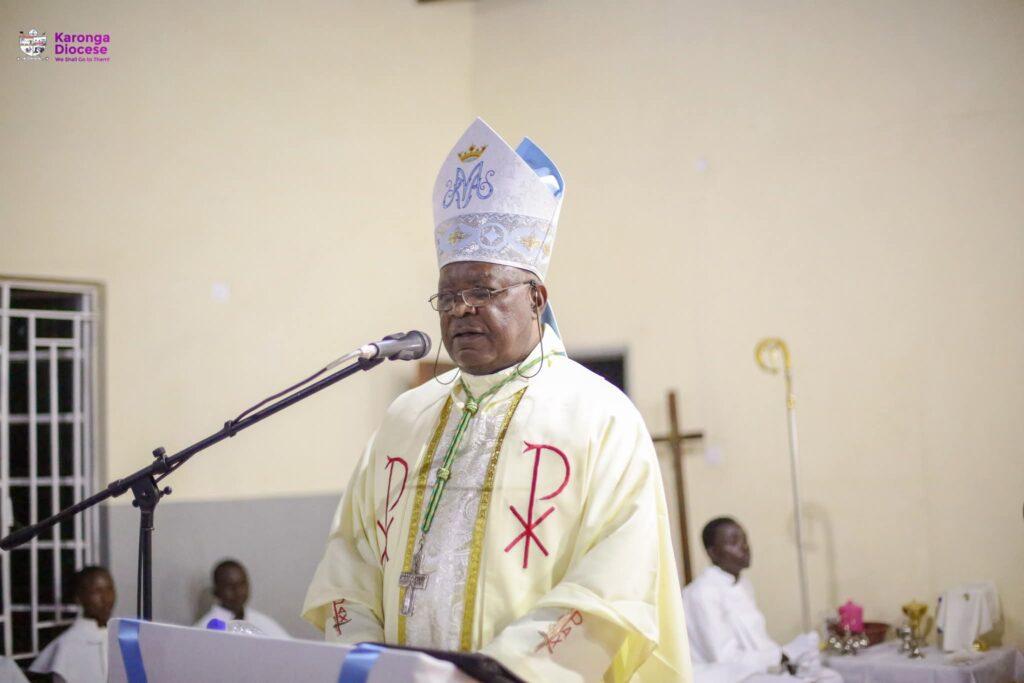
NAIROBI, Kenya – Bishop Martin Mtumbuka of the Diocese of Karonga, Malawi, has urged Catholics to deepen their faith through sound catechesis and confront corruption and poor governance, warning that the search for quick spiritual fixes can weaken Christian discipleship.
The Eucharistic celebration, prepared by delegations from Malawi and Zambia, was presided over by Archbishop Ignatius Chama of the Archdiocese of Kasama, Zambia. Drawing on the day’s readings—the Book of Micah and the Gospel according to Matthew—Bishop Mtumbuka reflected on authentic faith, governance, corruption, and hypocrisy, themes that closely reflect the Assembly’s concern for hope, justice, and good governance.
When faith seeks signs instead of Christ
Reflecting on the Gospel account in which the scribes and Pharisees demanded a sign from Jesus, Bishop Mtumbuka said their problem was not a lack of evidence but a lack of faith. Although they had witnessed Christ’s miracles, he said, their hardened hearts prevented them from recognizing God’s presence.
“Signs do not create faith; rather, it is faith that allows us to recognize signs.”
He warned that faith built solely on spectacular experiences is fragile and conditional. Drawing the Gospel into the present day, he observed that many Christians continue to approach God with conditions, expecting immediate solutions to life’s struggles before placing their full trust in him. Whether seeking healing, financial stability, or family restoration, he cautioned that an excessive focus on extraordinary signs and overnight miracles can blind believers to God’s quiet yet constant presence in their daily lives.
The growing challenge facing the Church
Bishop Mtumbuka described one of the greatest pastoral challenges confronting the Church in Africa as the growing number of Catholics who believe the answers to their personal struggles lie outside the Church.
He noted that many Catholics faithfully attend Mass and actively participate in parish life, yet still seek miraculous interventions elsewhere, believing their Catholic priests possess “too little Holy Spirit” compared with some Pentecostal pastors and self-proclaimed prophets. Others, when disappointed, return to traditional practices in search of answers.
At the heart of this trend, he said, is an unhealthy preoccupation with temporal concerns at the expense of eternal values.
The number of Catholics who flock to fellowships after Sunday Mass is alarming.
Rather than responding with fear or condemnation, he called for a renewed commitment to sound catechesis so that Catholics, especially young people, develop a deeper understanding of their faith and remain firmly rooted in Christ and the sacramental life of the Church.
He presented sound catechesis as a central pastoral response to superficial faith and the growing search for instant spiritual solutions. He noted that strengthening catechesis is among the issues being discussed at the 21st AMECEA Plenary Assembly and warned that neglecting faith formation could have serious consequences for the Church in Africa, pointing to regions where churches that were once full and religious vocations numerous have subsequently experienced significant decline.
Faith that transforms society
Turning to the first reading from the prophet Micah, Bishop Mtumbuka reminded the faithful that God rejects religious hypocrisy. No amount of external religious practice, he said, can compensate for corruption, injustice, or the absence of charity.
Speaking directly to the young people gathered for the Assembly, he acknowledged the frustration caused by poverty, unemployment, corruption, conflict, and poor governance. He assured them that the bishops were not indifferent to their struggles and would continue exercising their prophetic mission by speaking against injustice.
At the same time, he urged young people not to divide their faith by professing Catholicism while simultaneously seeking spiritual solutions elsewhere or expecting overnight miracles to transform their lives. Instead, he encouraged them to embrace personal responsibility, integrity, perseverance, and trust in God.
You yourselves must stand up to this.
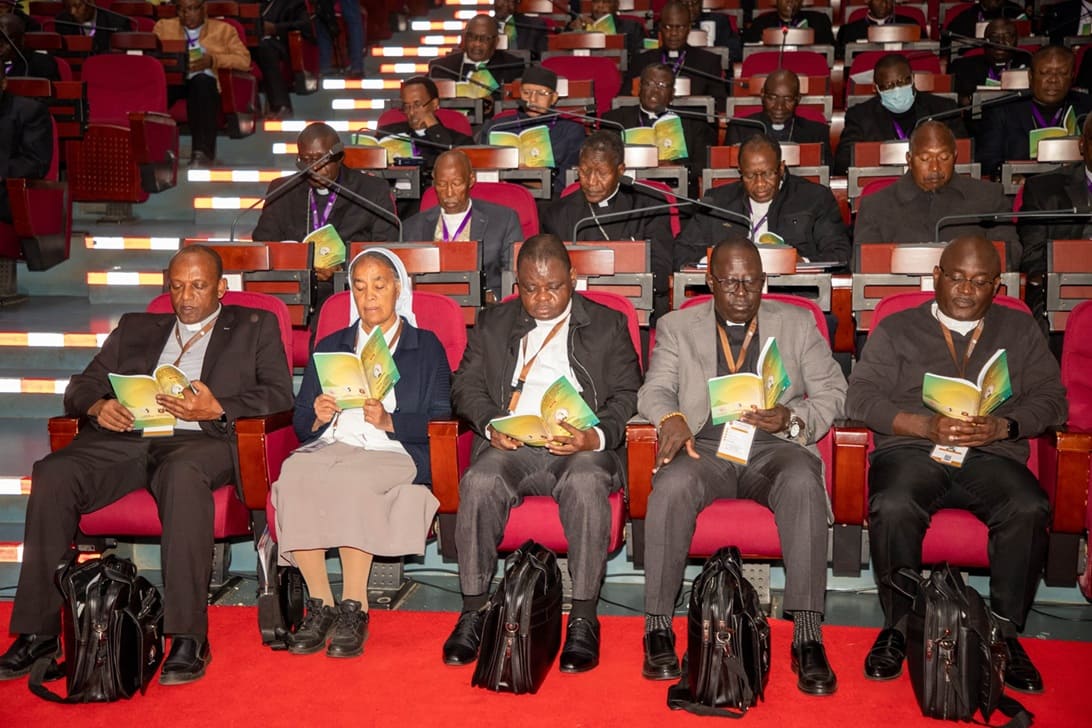
With those words, Bishop Mtumbuka challenged young people to raise their voices against corruption and poor governance rather than surrendering to hopelessness or risking their lives in dangerous journeys in search of opportunities abroad. Instead, he urged them to work together to build a future marked by justice, accountability, and hope within their own countries.
His appeal was both pastoral and prophetic: the fight against corruption begins with personal integrity. Those who today lament the misuse of public resources, he warned, must ensure that when entrusted with responsibility tomorrow, they do not repeat the same patterns of dishonesty and abuse of office.
Setting the tone for the Assembly
Bishop Mtumbuka’s homily linked personal conversion with the Church’s public mission, calling Catholics to remain rooted in Christ while becoming credible witnesses of justice and integrity in their families, communities, and public life. As the Assembly continues its prayer and deliberations, his challenge to young Catholics remains direct:
You yourselves must stand up to this.


Join the conversation