Strathmore University Champions Ethical Enterprise as Zambia’s Sisters’ Blended Value Project Marks Historic Milestones
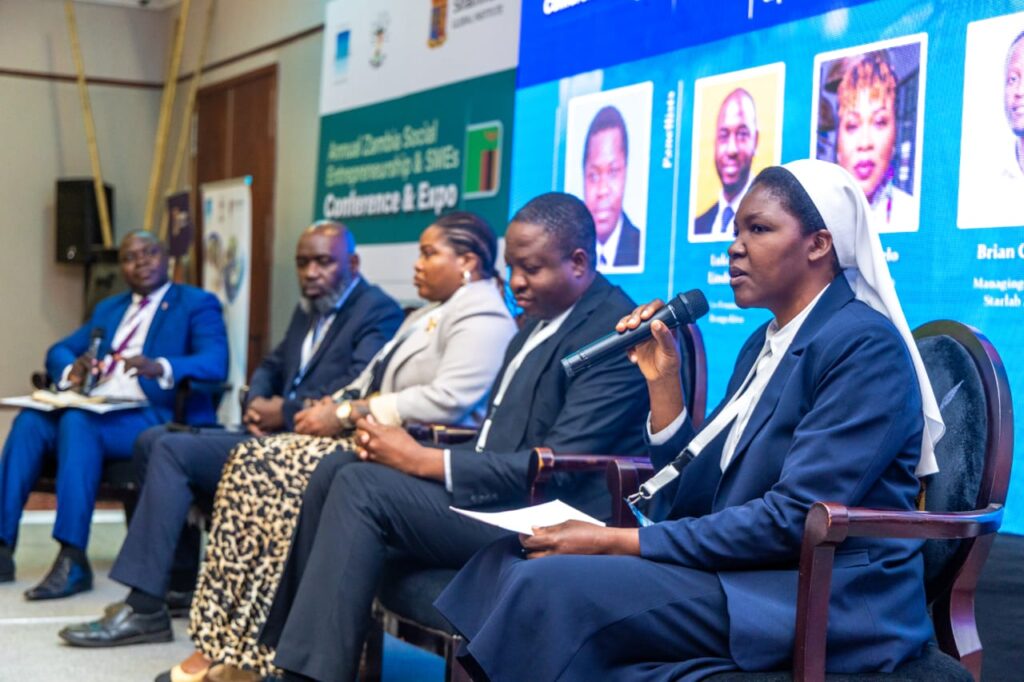
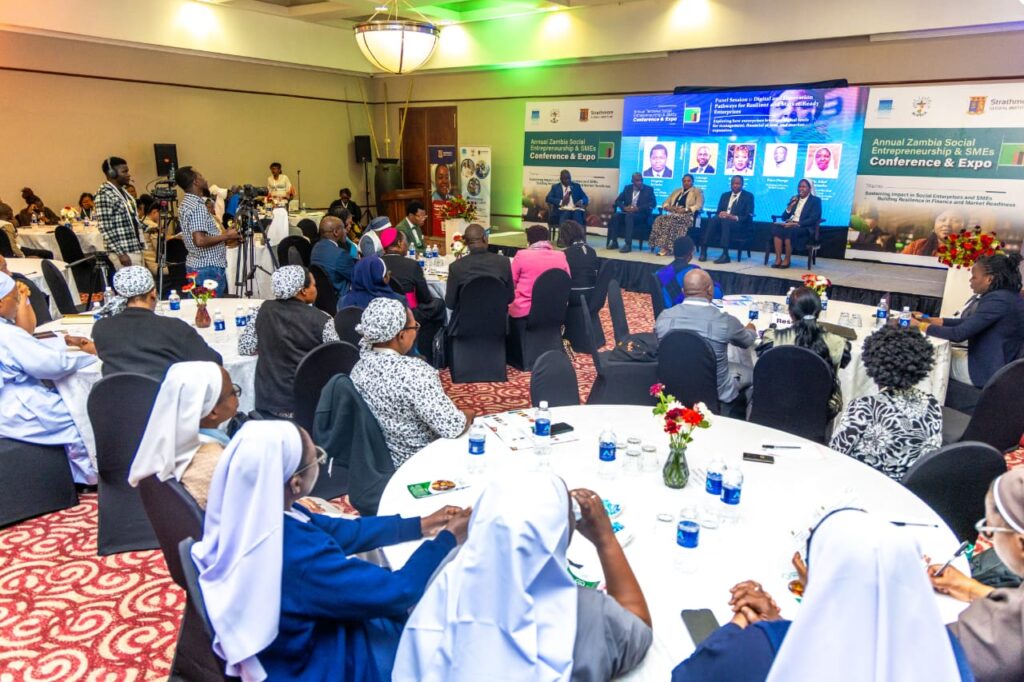
LUSAKA, Zambia — The Annual Zambia Social Entrepreneurship and SME Conference and Expo 2026, hosted under the Sisters’ Blended Value Project, concluded with powerful calls for cross-border collaboration, ethical leadership, and scaling local solutions to continental challenges.
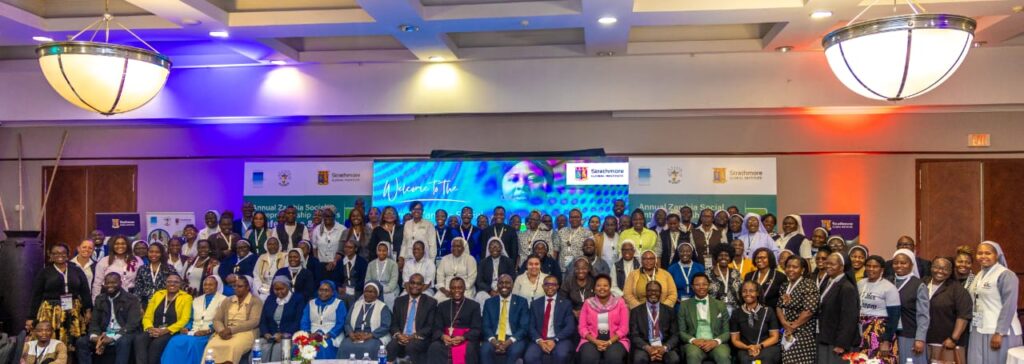
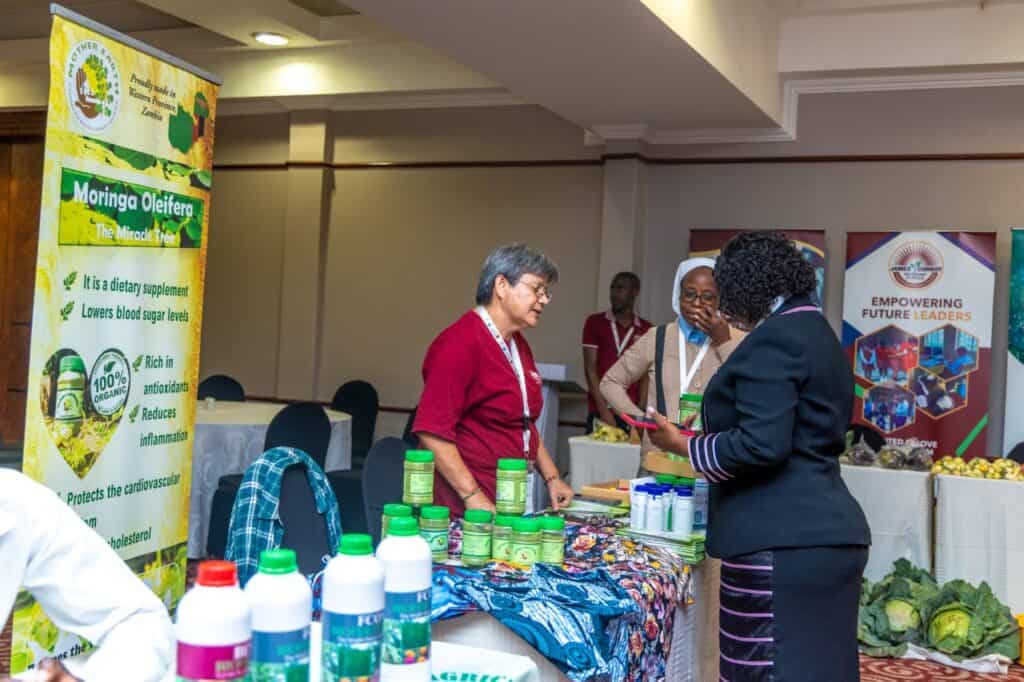
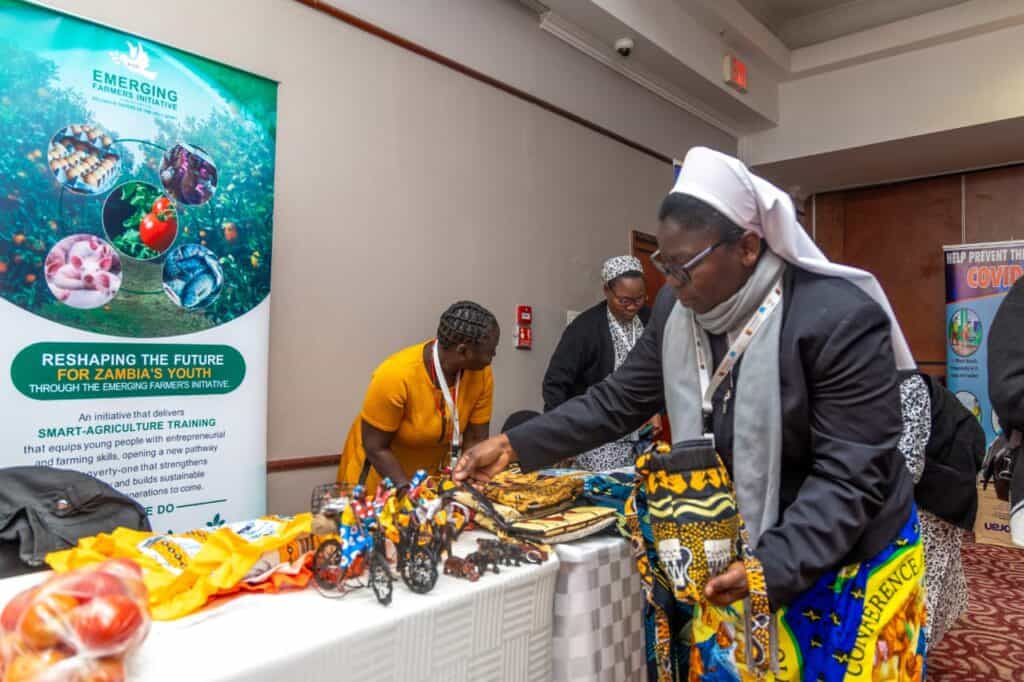
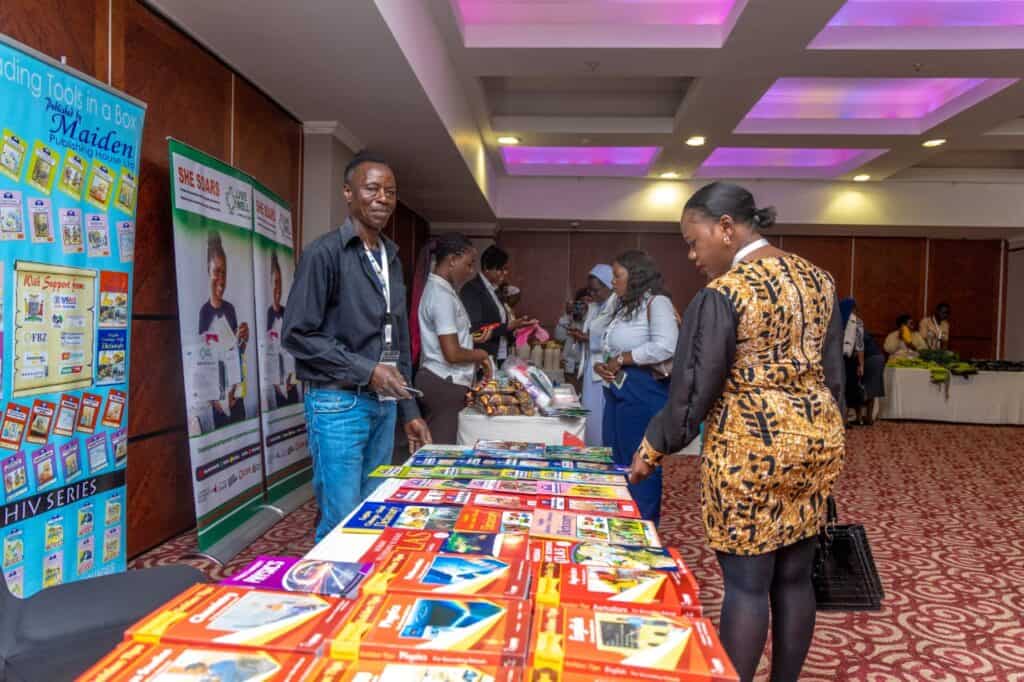
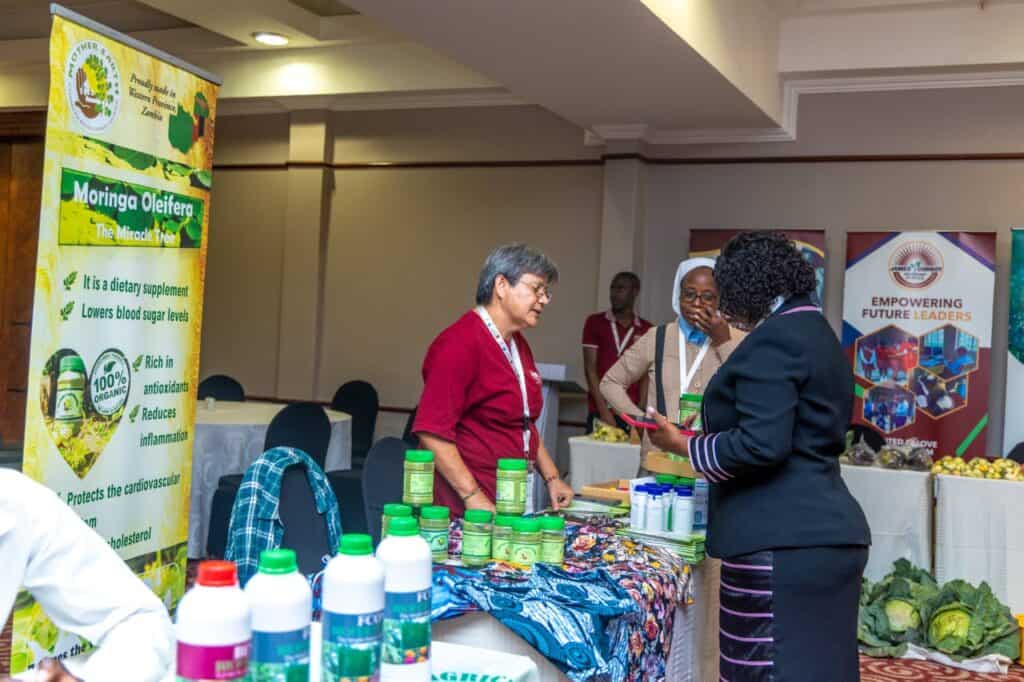
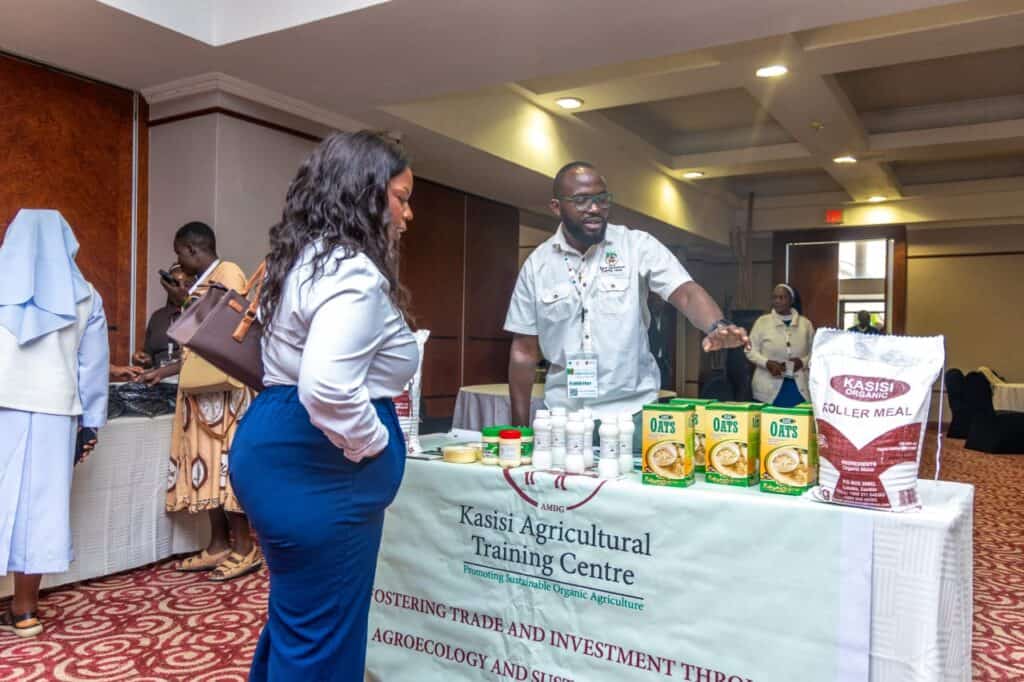
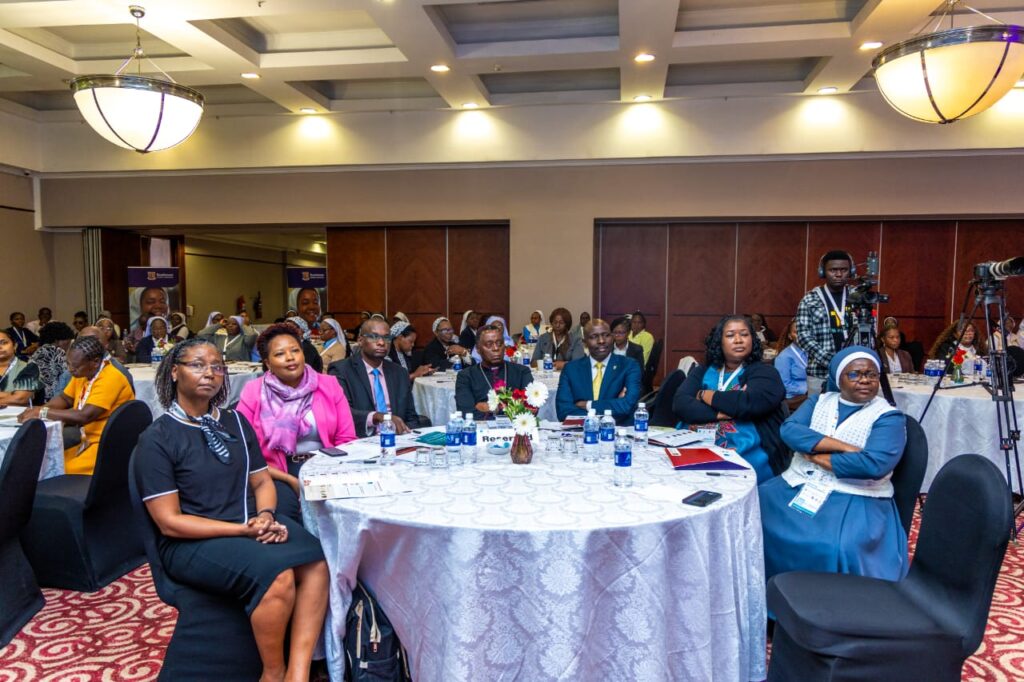
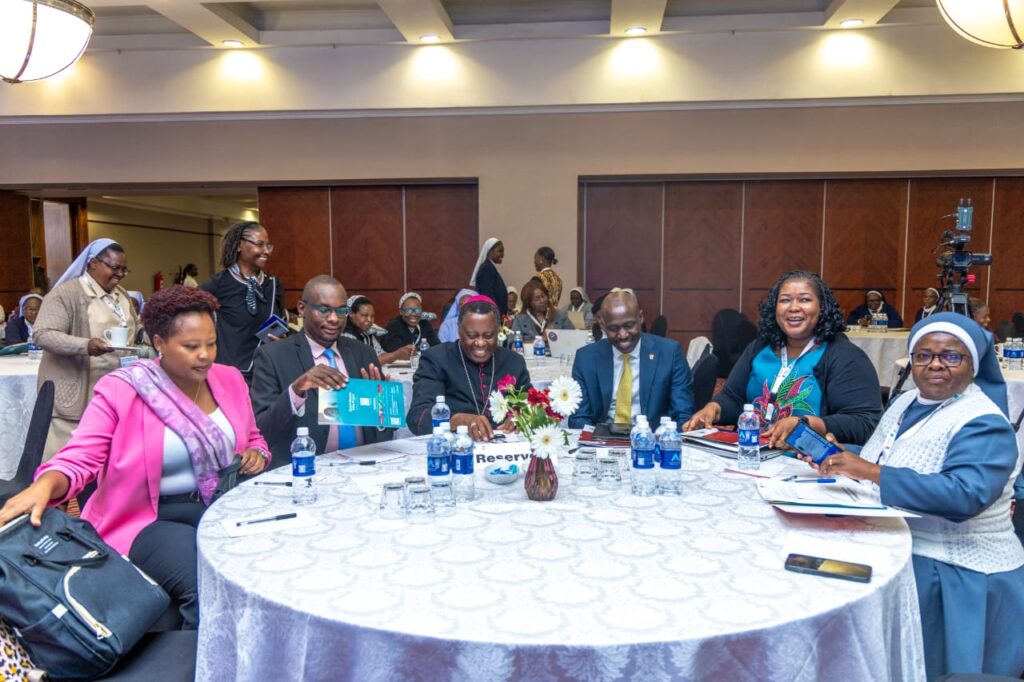
Held in Lusaka on September 10, 2026, under the theme “Sustaining Impact in Social Enterprises and SMEs: Building Resilience in Finance and Market Readiness,” the gathering brought together Catholic Sisters, commercial banks, impact investors, government stakeholders, and mainstream SME owners for a day of reflection, networking, and strategic planning.
Delivering remarks on behalf of Strathmore University, Mr. Anthony Kahindi, the institution’s University Secretary, traced its origins to a persistent plea made in the 1950s. He recounted how Bishop Mojaisky, then Apostolic Delegate of the Holy See in Kenya, urged Saint Josemaría Escrivá, the founder of Opus Dei, to send his sons and daughters to Africa ahead of independence. When the bishop warned that many souls would be lost if the request went unanswered, the first missionaries were dispatched to Kenya in 1958, and by 1961 the story of Strathmore had begun.
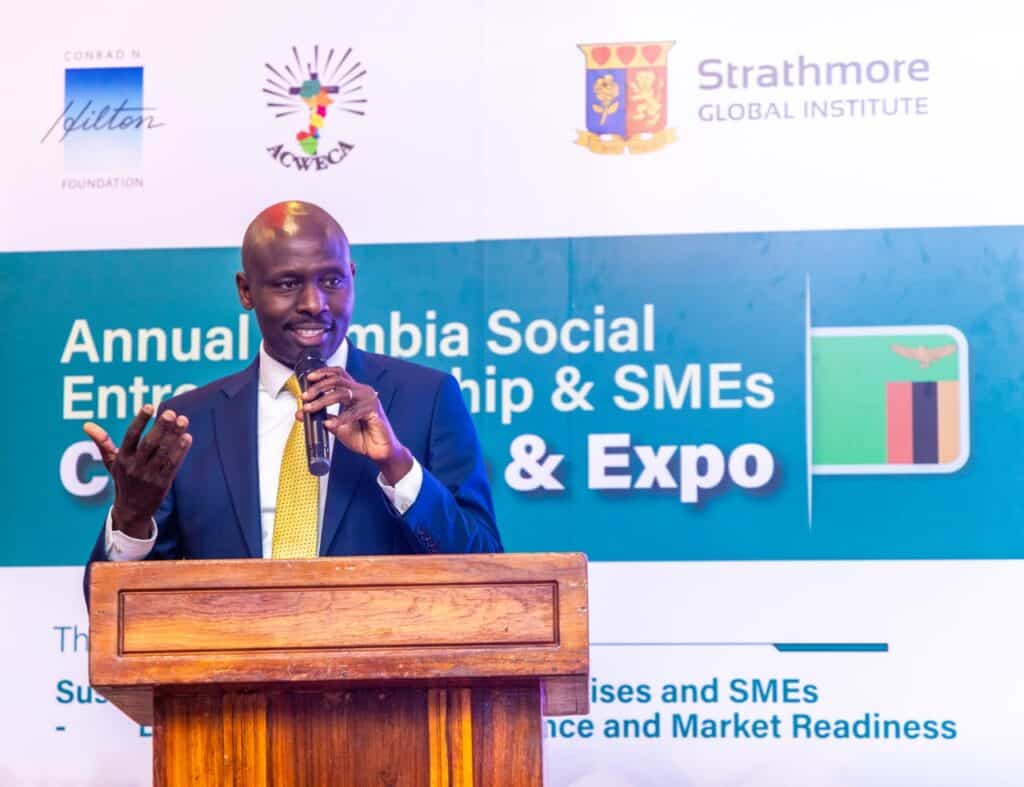
Kahindi told the gathering that Strathmore’s mission is simple: “To Africa with a dream.” He encouraged Zambian entrepreneurs to look beyond their borders, noting that the national anthem is itself a beautiful prayer. “I hope we are looking toward growing beyond the borders of Zambia, why not to Kenya as well?” he said.
This is not the business of aid; this is the business of working out local solutions. This is the business of empowering yourselves and empowering your own sons and daughters here in Zambia.”
He offered three reflections on why the conference matters. The first concerned the power of local solutions over aid, citing Zambian economist Dambisa Moyo. “This is not the business of aid; this is the business of working out local solutions. This is the business of empowering yourselves and empowering your own sons and daughters here in Zambia,” he said. The second reflection positioned social enterprise as the sustainable path forward, one enterprise at a time, rather than theoretical problem-solving. The third highlighted the strong alignment between the project’s work and Zambia’s Vision 2030 and 8th National Development Plan, particularly the human development pillar.
Kahindi challenged participants with a striking comparison, observing that Zambia is nearly twice the size of Japan, yet Japan’s economy is vastly larger despite lacking copper, gemstones, or gold. “This shows the immense opportunity ahead of us and challenges us to do more with the resources God has endowed us with,” he said, adding that development in Zambia is truly in the hands of its people.
He stressed that Strathmore’s ultimate purpose is to develop ethical leaders who become transformative agents in their fields. “If you do not aim to do business cleanly and ethically, you are not part of the solution, you might find yourself as part of the problem,” he warned. Drawing on Stephen Covey’s principle of thinking win-win, he reminded the entrepreneurs that business is not a zero-sum game and that relationships are the true currency of enterprise.
If you do not aim to do business cleanly and ethically, you are not part of the solution, you might find yourself as part of the problem.”
He closed with a story of two shoe salesmen sent to an island where no one wore shoes. One saw futility and asked to return home; the other saw opportunity and requested the entire inventory. “Your mindset is your asset, and your perspective shapes your reality,” he said.
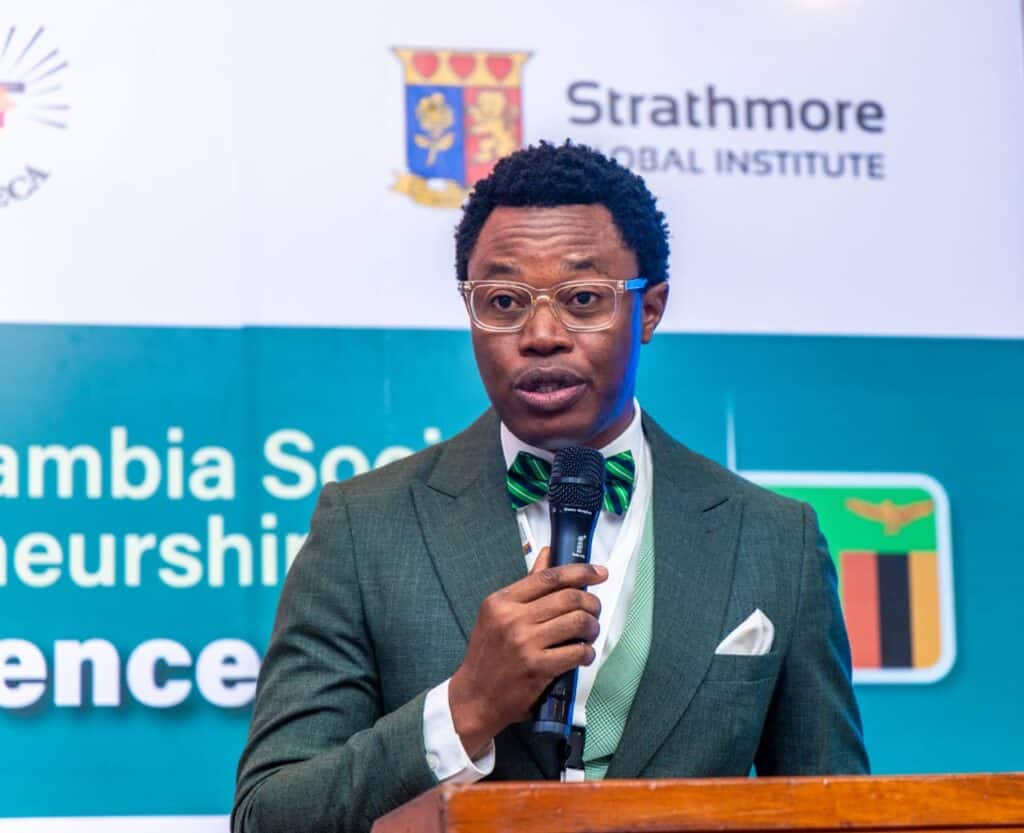
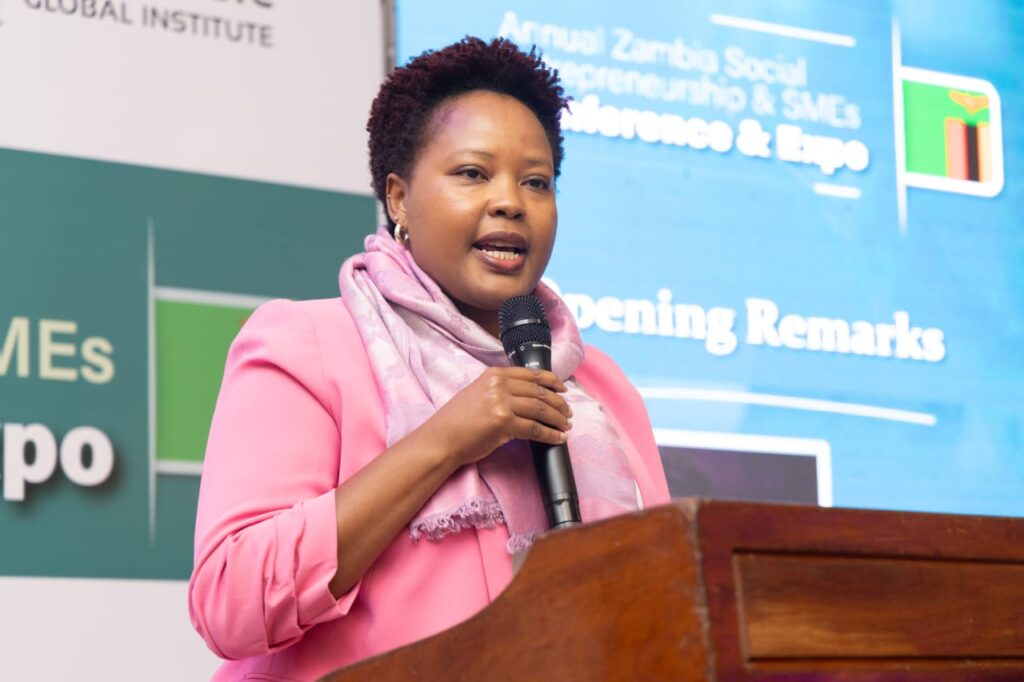
Dr. Chilumba Bwalya, speaking on behalf of Strathmore University Business School and the project, delivered opening remarks that underscored its remarkable achievements. He announced that 61 congregations, representing about 90 percent of those who applied, have already received seed grants through the Social Impact Fund, with over 1,053 Sisters trained, 304 congregations reached, and over 50 research outputs produced. “Those are not targets, those are accolades and achievements this program has already achieved,” he said.
Bwalya explained that the project was built in response to a 2021 survey commissioned by the Conrad N. Hilton Foundation, which identified limited access to capital, weak market linkages, weak digital skills, and a fragmented network as key constraints. The initiative addresses these through four pillars: enterprise development, access to markets, research, and access to finance, and operates across Kenya, Uganda, Tanzania, Malawi, and Zambia.
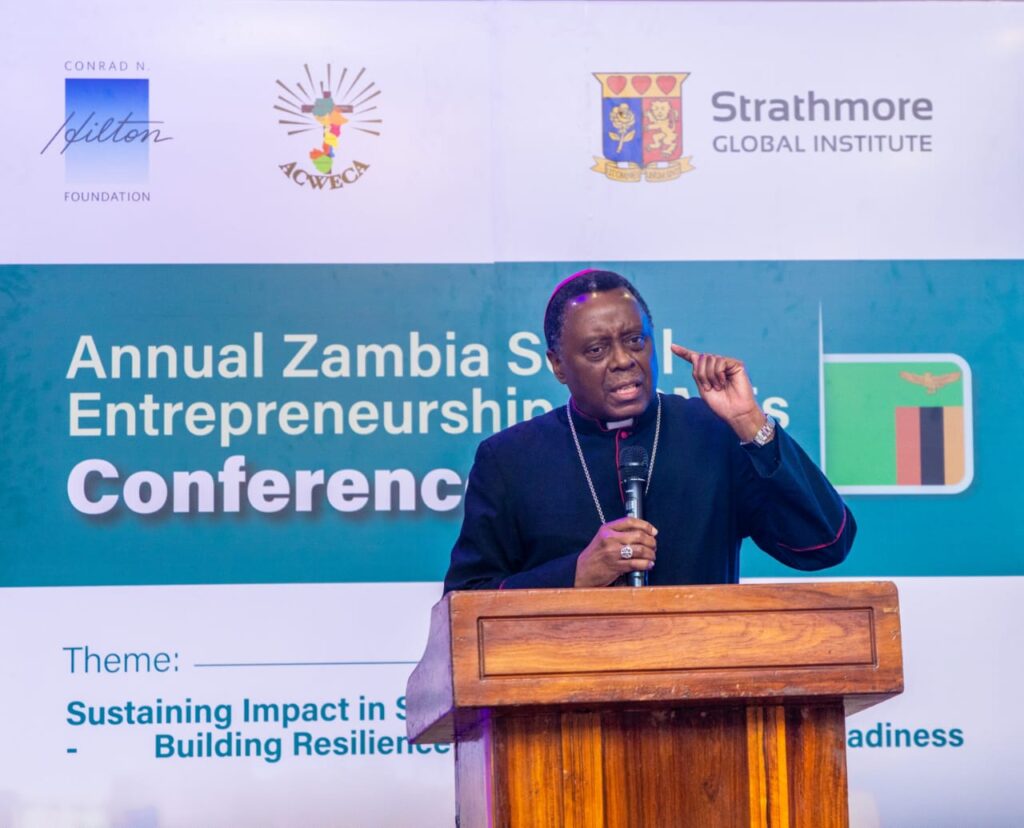
He issued a direct challenge to the commercial banks and impact investors in the room, urging them to support the sisters deliberately, who he said are not present merely to participate but to become a central part of the country’s socioeconomic fabric. He noted that market readiness requires the sisters to compete fiercely while remaining true to their vocation. “They have to be strategic, and yet not give up their faith. They have to fight just like any market player, and yet remain committed to their values,” he said.
They have to be strategic, and yet not give up their faith. They have to fight just like any market player, and yet remain committed to their values.”
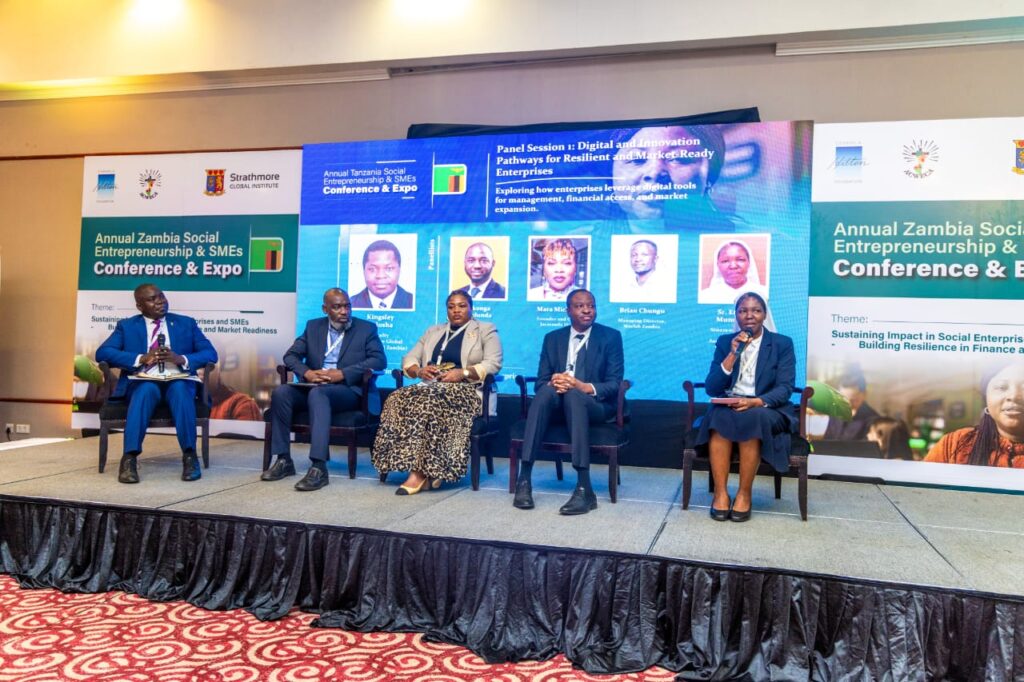
Bwalya also dispelled any notion that the sisters lack business acumen, describing them as leaders of enterprises with real balance sheets. “All these pretty faces you are seeing, clothed and wearing white veils on their heads, can talk numbers. They can talk finance. They can talk strategy,” he said. He urged participants to treat the day’s panel sessions, covering digital tools and market access, climate-smart enterprise models, and financing growth, as working sessions.
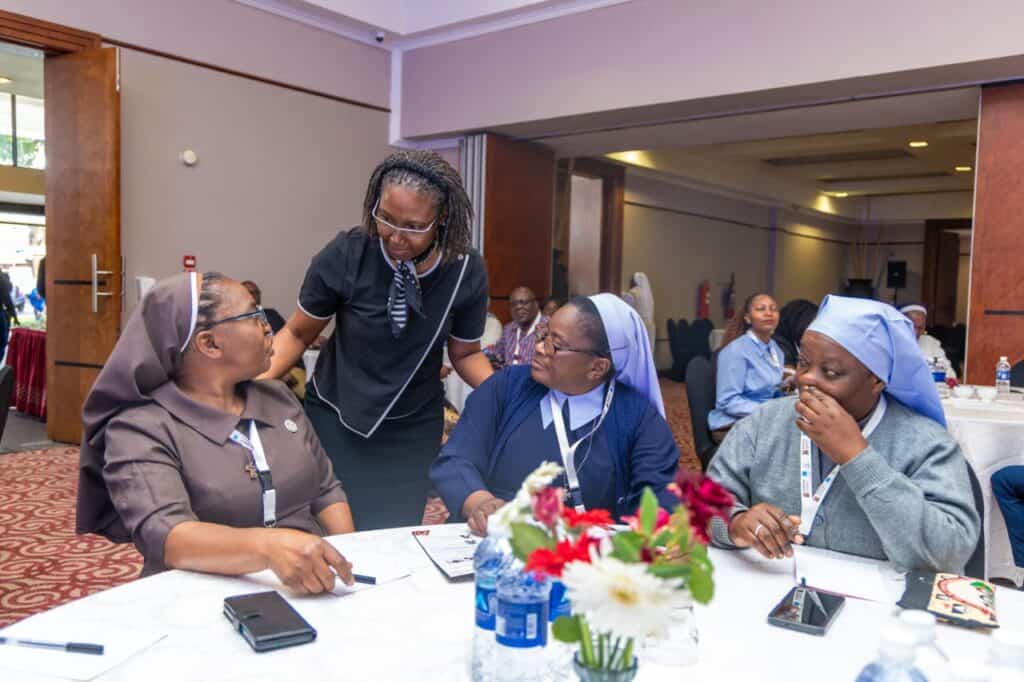
Dr. Nancy Nyiraini, Director of Grants in the Research and Innovation Division at Strathmore University and Academic and Research Lead for the project, offered closing reflections on empowering local initiatives and fostering economic independence. She encouraged participants to think seriously about markets, noting that while her work requires reaching everyone in Africa and the world, business must begin at home. Drawing a connection between the Zambian and Tanzanian national anthems, which share a tune and, in her words, form a beautiful prayer, she reiterated the call to grow beyond Zambia’s borders, asking why not to Kenya as well.
She returned to the example of Dambisa Moyo, describing the conference as a serious and important undertaking rooted in local solutions. “The solutions to unemployment, the solutions of creation of wealth are already ongoing here every day you wake up and you work hard,” she said.
The solutions to unemployment, the solutions of creation of wealth are already ongoing here every day you wake up and you work hard.”
As the conference drew to a close, attention returned to the practical work ahead. With 61 congregations already benefiting from seed grants, hundreds of Sisters trained, and dozens of research outputs produced, the Sisters’ Blended Value Project is now focused on sustaining these gains through stronger market access, continued collaboration, and support for enterprises led by Catholic Sisters. The discussions in Lusaka also underscored the importance of developing local solutions that can grow beyond national borders while remaining rooted in ethical leadership and community needs.