
Zambian Catholic sisters graduate in social entrepreneurship, urged to keep mission first
ACWECA-Strathmore programme commissions 26 sisters as ‘builders of Africa’

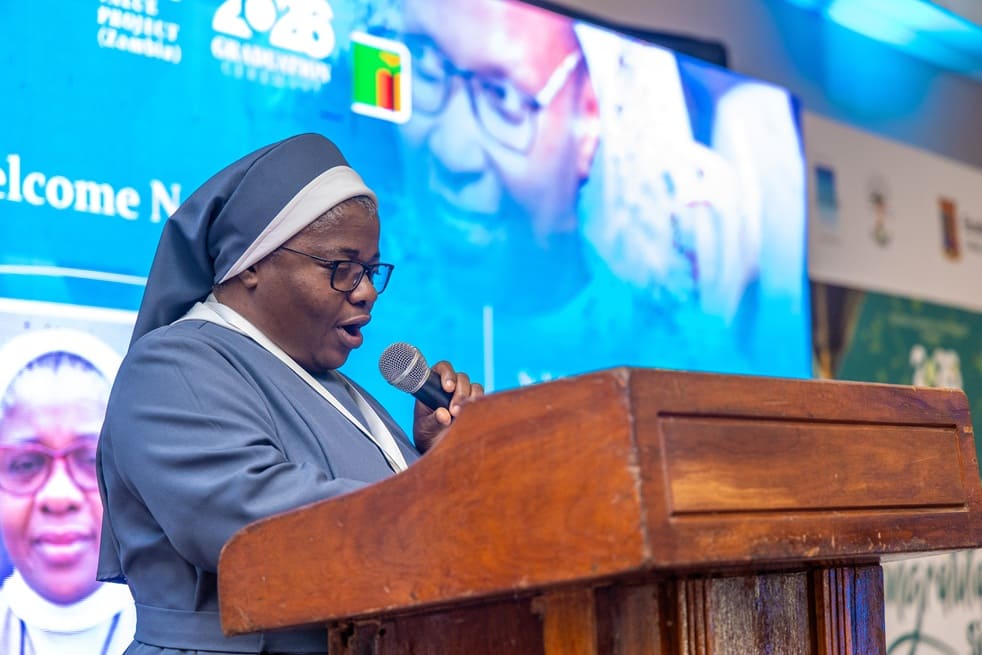
LUSAKA, Zambia — Before Bishop George Cosmas Lungu rose to speak, Sr. Valeria Prudence Kabaso, president of the Zambia Association of Sisterhoods (ZAS), briefly broke into song.
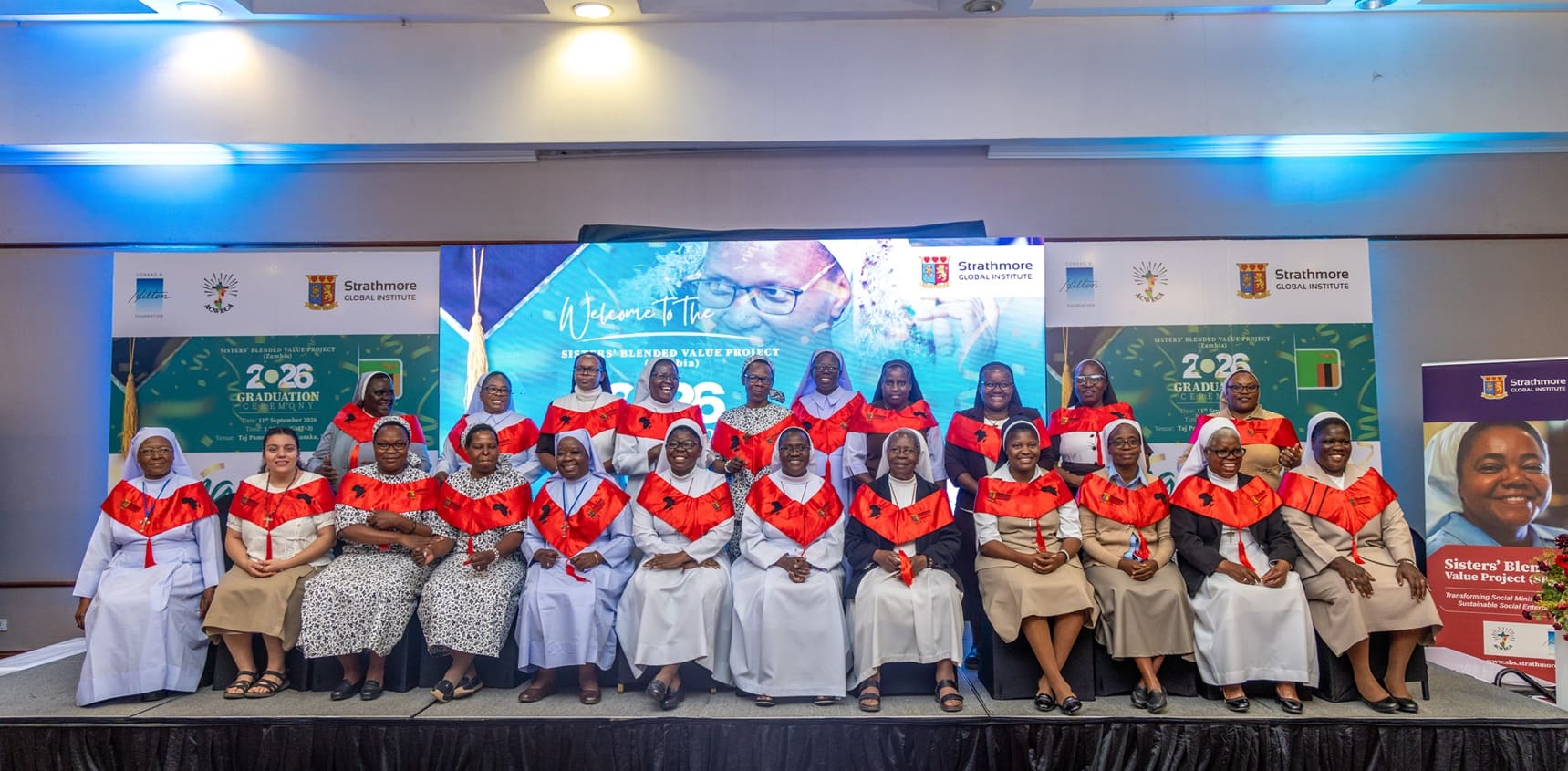
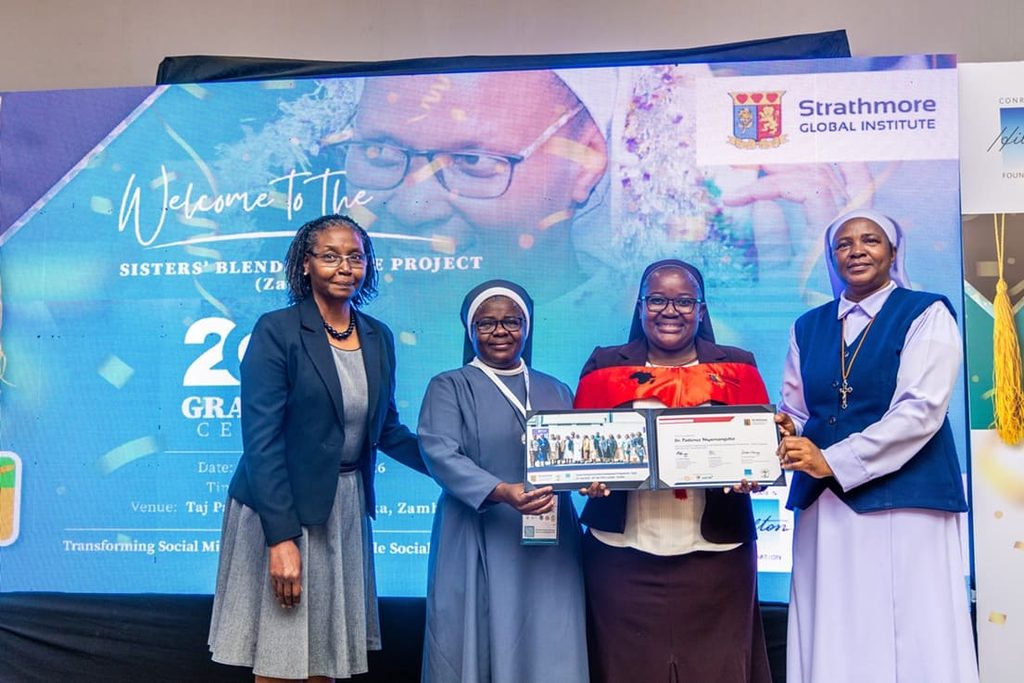
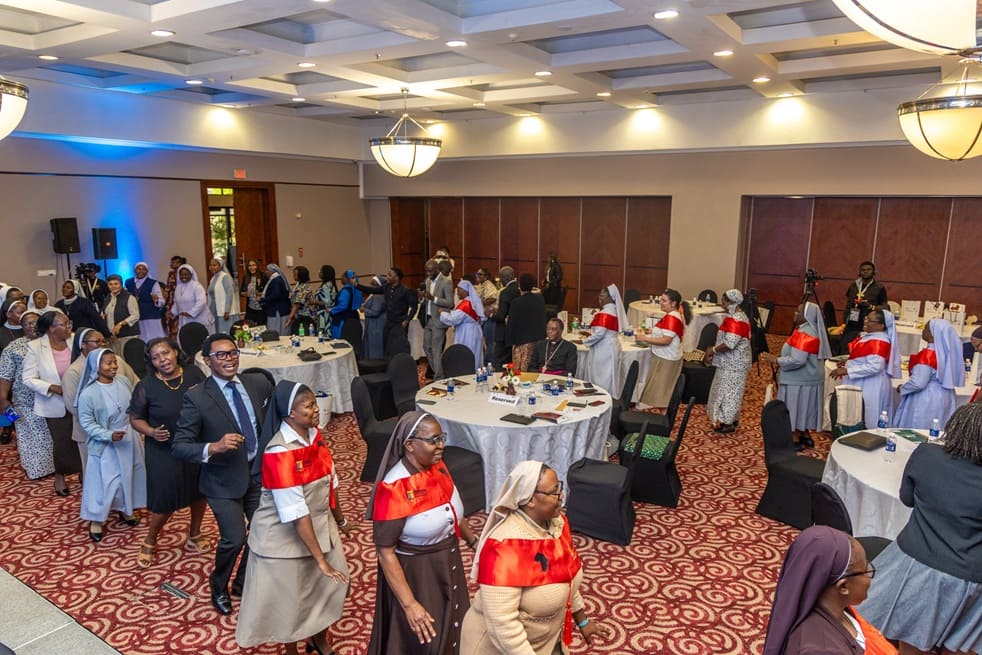
“Mwana wandi nakula eya,” she sang, translating the words for those present as “my child has grown”. For the 26 Catholic sisters seated before her at the Taj Pamodzi Hotel on 11 September, the song captured the significance of their journey through nearly two years of formation and learning.
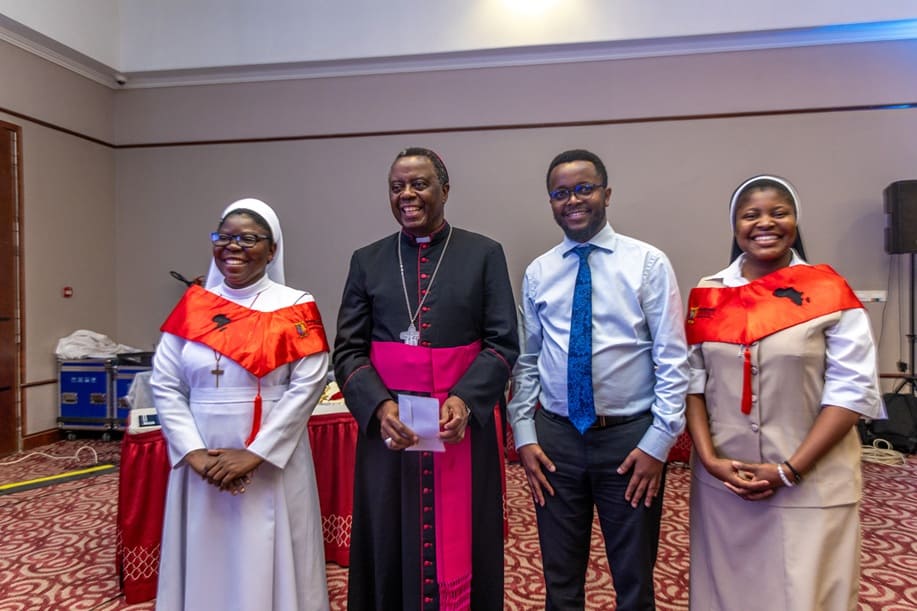
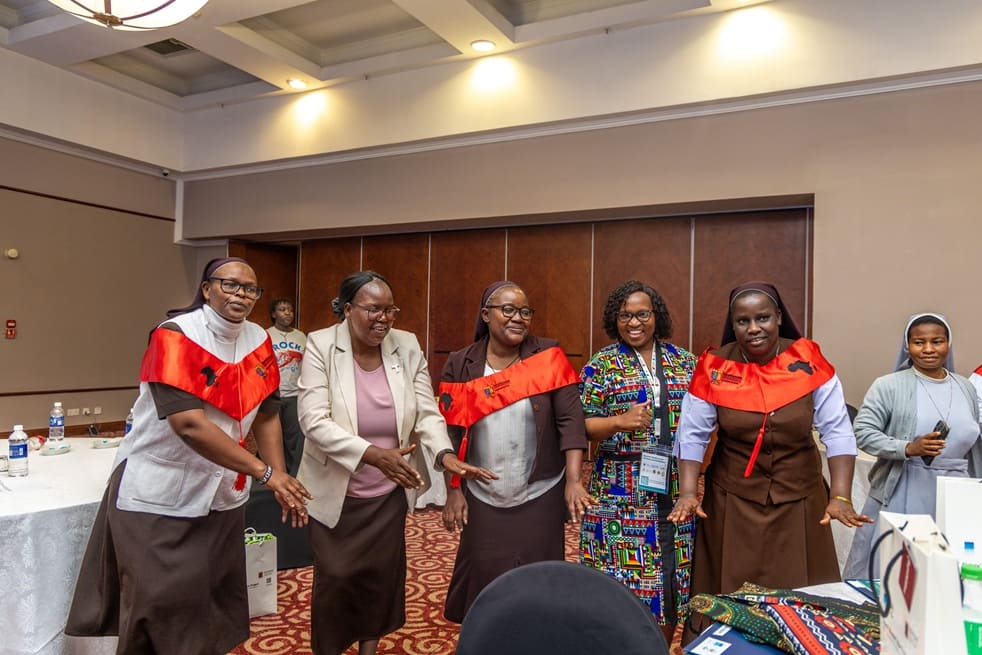
The ceremony marked the graduation and commissioning of 12 sisters from the Start Group and 14 from the Advanced Class of the Sisters’ Blended Value Project (SBVP), a joint initiative of the Association of Consecrated Women in Eastern and Central Africa (ACWECA) and Strathmore University Business School, supported by the Conrad N. Hilton Foundation.
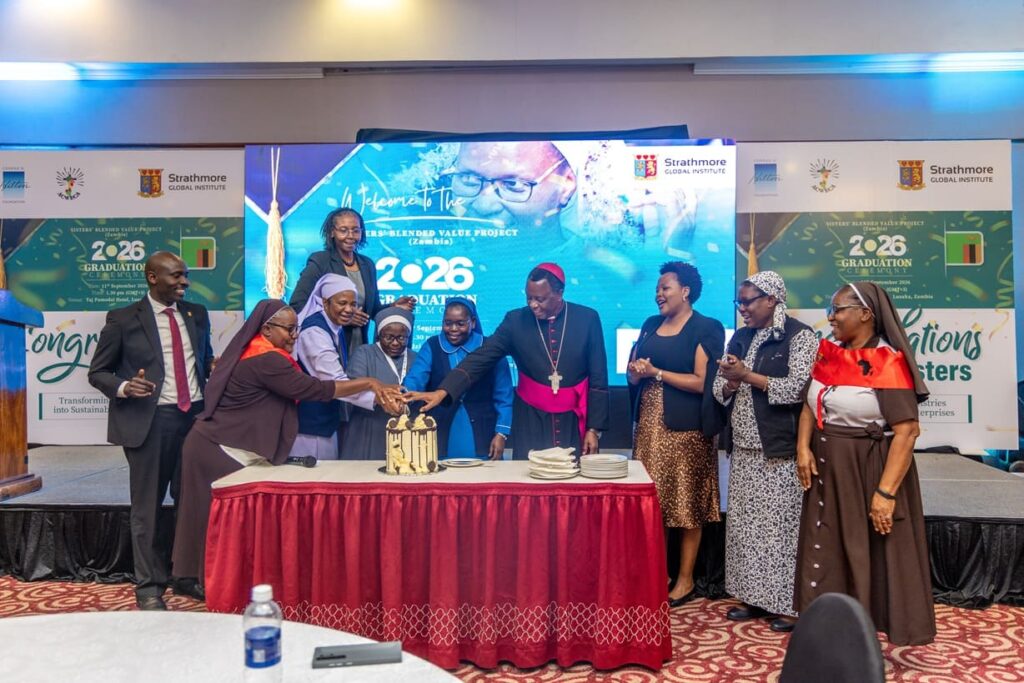
The programme equips religious congregations with the knowledge and skills to develop sustainable social enterprises that generate financial resources while advancing their social and pastoral missions.
It now operates in five of ACWECA’s ten member countries: Kenya, Uganda, Tanzania, Zambia and, most recently, Malawi.
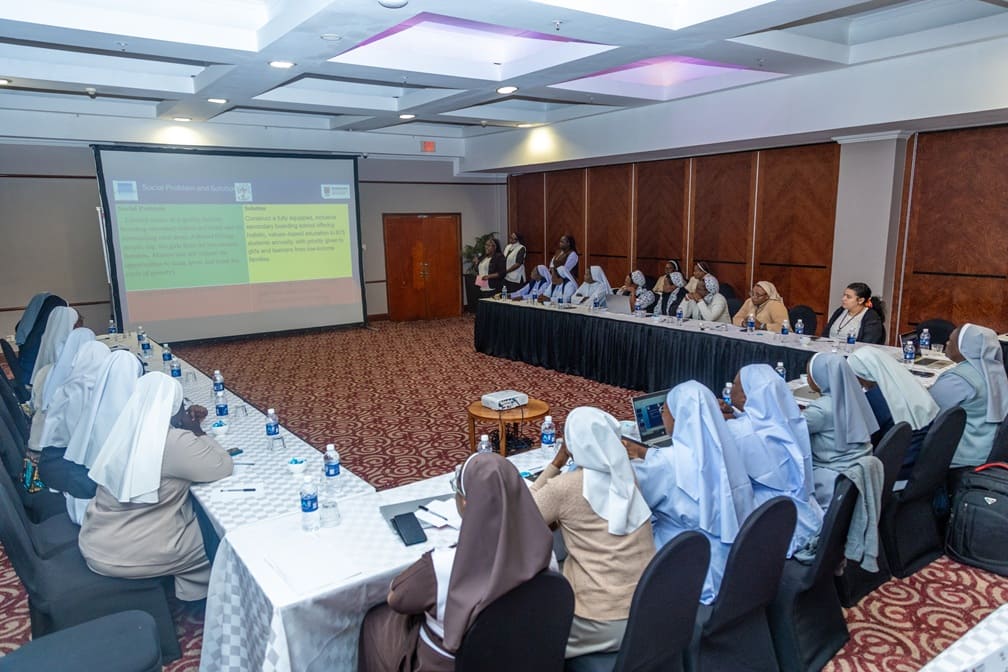
The graduation followed a day of cross-sector dialogue at the same venue, where Catholic sisters joined bankers, investors and business leaders for the Annual Zambia Social Entrepreneurship and SMEs Conference and Expo.
Related coverage: https://voiceafrique.org/catholic-sisters-encouraged/
Yet, beyond the discussions about markets, investment and financial sustainability, the graduation raised a fundamental question for religious congregations: how can they run viable enterprises without allowing business to overshadow their mission?
Keeping the mission at the centre
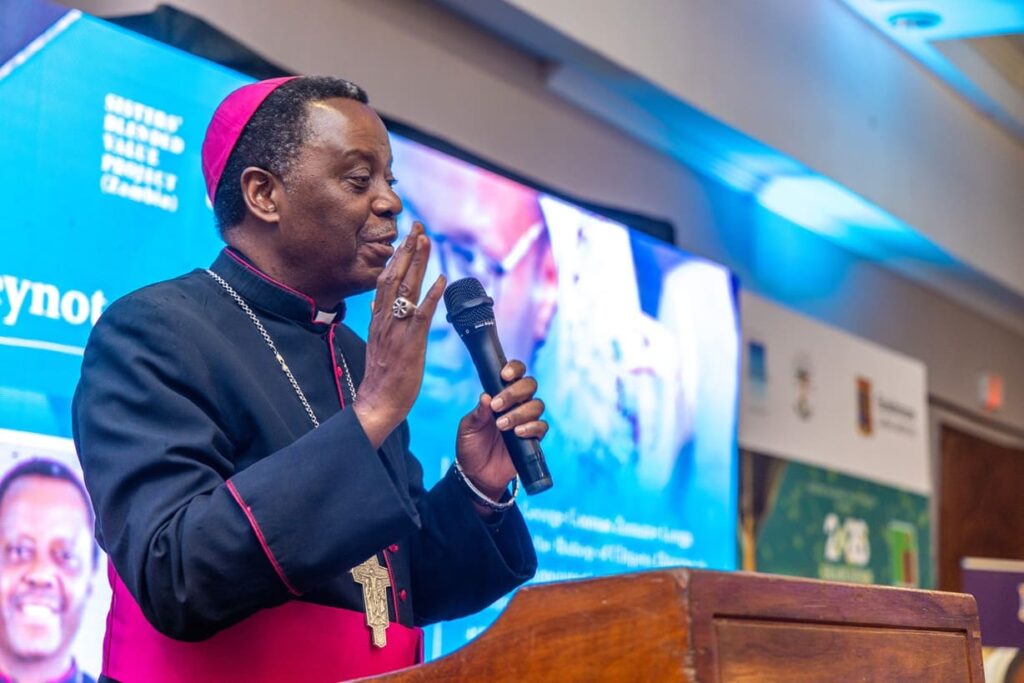
Bishop Lungu, who delivered the keynote address and presided over the commissioning on behalf of the Zambia Conference of Catholic Bishops, reminded the graduates that their new qualifications carried responsibilities beyond obtaining certificates.
“What you receive today is not merely a certificate. It is a grave responsibility,” he said.
He emphasised that religious congregations exist to fulfil their vocation and mission in Christ, and that business activities must serve that purpose rather than replace it.
Drawing on the Parable of the Talents in Matthew 25:14–30, the bishop presented financial sustainability as an expression of responsible stewardship rather than a departure from religious life.
He encouraged the sisters to embrace professional management and financial accountability, stressing that prayer and generosity must go hand in hand with sound accounting and financial discipline.
He also urged the congregations to collaborate rather than compete for limited resources, including donor support, and to recognise the value of sharing opportunities and expertise.
Bishop Lungu further acknowledged the Congregation of the Sisters of the Child Jesus, which was founded in 1926 by Bishop Étienne Larue, Vicar Apostolic of Bangweulu, and is marking its centenary this year.
His message was clear: social enterprises should strengthen the Church’s mission and help congregations sustain their service to communities, not become ends in themselves.
Navigating an uncertain world
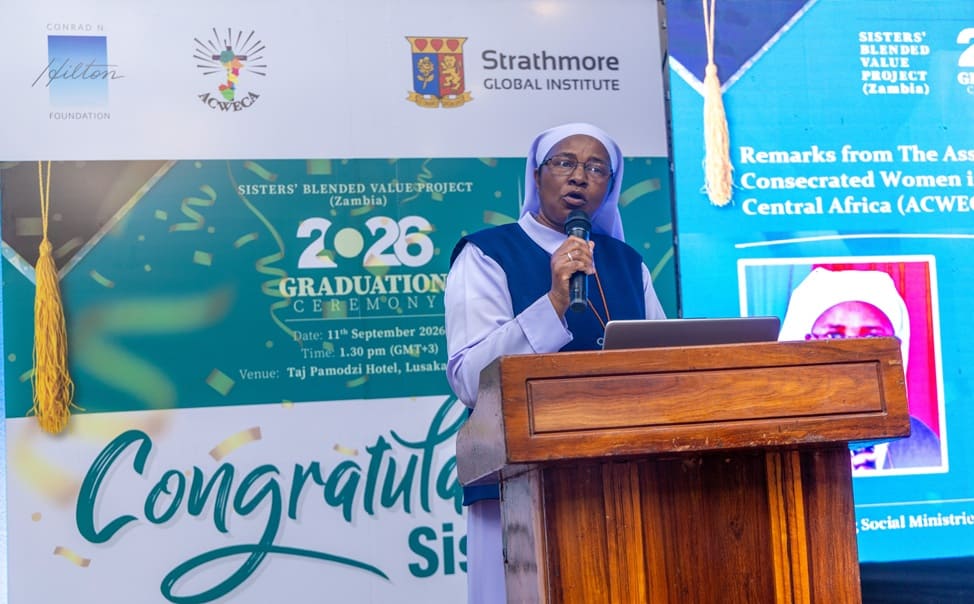
ACWECA Secretary General Sr Bridgita Samba Mwawasi challenged the graduates to prepare for an increasingly unpredictable economic and social environment.
Drawing on the management concept of VUCA — volatility, uncertainty, complexity and ambiguity — she encouraged them to develop the agility and clarity needed to navigate changing circumstances.
She also reminded the sisters that their identity as consecrated women should remain central to their entrepreneurial work, grounding their approach in the Christian understanding of human dignity expressed in Genesis 1:26–27.
“Your identity is your passport,” she said.
Quoting Conrad Hilton, she added: “Success is never final, failure is never fatal.”
Sr. Mwawasi called on the graduates to become builders of Africa rather than passive consumers, encouraging them to use their knowledge and resources to create enterprises that respond to the needs of the communities they serve.
Leadership begins wherever you are
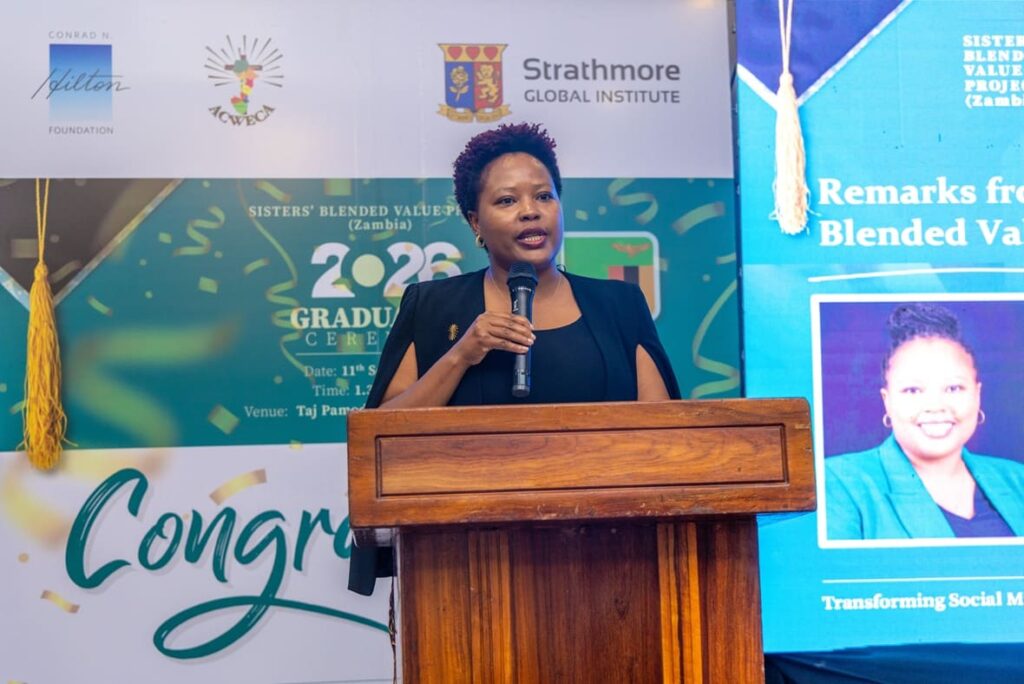
Dr. Angela Ndunge, the SBVP’s principal investigator at Strathmore University Business School, outlined the programme’s four pillars: capacity building, research, collaborative networks and access to finance.
She noted that the programme’s research component had produced more than 50 publications over five years, contributing to knowledge and practice in social entrepreneurship.
However, she placed particular emphasis on the graduates’ ability to exercise leadership regardless of their positions within their congregations.
“You don’t have to be the bishop or Mother Superior to make change,” she said.
Dr Ndunge encouraged the sisters to take responsibility for making a difference wherever they had been assigned, reminding them that meaningful change does not depend solely on holding senior positions.
Prof David Mathuva, Strathmore’s associate dean for academics and student affairs, welcomed the graduates into the university’s wider community, referring to them as “Stratizens”.
He lightened his remarks with a joke about personally checking the certificates for the Strathmore logo to confirm that the graduates had passed. He then encouraged them to represent the institution well as they returned to their respective ministries.
Anthony Kahindi, the university secretary, challenged the sisters to approach their work with dedication and a commitment to continuous learning.
Quoting Martin Luther King Jr., he recalled the civil rights leader’s message that every task, however ordinary, should be performed with excellence. He also invoked the question associated with Hillel the Elder: “If not me, who? If not now, when?”
Kahindi further encouraged the graduates to embrace lifelong learning and the discipline of continually improving their skills, while recognising the importance of rest and personal well-being.
Serving God while sustaining the mission
Representatives of the two graduating groups reflected on how the programme had challenged them to rethink the financial sustainability of their congregations’ ministries.
Speaking for the Start Group, Sr Patience Nyamangodo said the sisters had joined the programme amid growing concerns about the sustainability of their work as grants and donations became increasingly difficult to rely on.
Their congregations faced mounting needs, including employment creation, food security, skills development and support for vulnerable communities.
Through the programme, she said, the sisters had gained a deeper understanding of blended value, which brings together spiritual, social and economic outcomes.
“We do not have to choose between serving God and sustaining our work. Through social enterprise, we can do both,” she said.
For Sr. Nyamangodo and her fellow graduates, the training offered a way to explore how congregations could generate resources to sustain their ministries while continuing to respond to the needs of the people they serve.
Sr. Teclar Mukuli, representing the Advanced Class, urged the graduates to challenge attitudes and practices that leave congregations dependent on giving without adequately replenishing the resources needed to continue their work.
She encouraged them to identify and use the assets and opportunities available within their congregations to develop sustainable enterprises.
Echoing Bishop Lungu’s message, Sr Mukuli stressed the importance of maintaining a balance between their passion for Christ and compassion for humanity.
Entrepreneurial activities, she reminded the graduates, must not come at the expense of prayer, community life or the charisms that define their congregations.
From training to practice
Closing the ceremony, Dr Nancy Njiraini, the SBVP’s academic and research lead, reminded the graduates that completing the programme was only the beginning of the work ahead.
Each graduate would be supported by a post-graduation adviser for one year to help translate the knowledge gained into practical initiatives within her congregation.
Dr Njiraini encouraged the sisters to consult the communities they serve to ensure their enterprises respond to genuine needs. She also urged them to monitor both their social and spiritual impact and their financial performance, ensuring that economic growth remained aligned with their congregations’ missions and charisms.
She further emphasised the importance of personal well-being, reminding the graduates that sustaining their service to others also requires them to care for themselves.
The message brought the ceremony back to the responsibility Bishop Lungu had highlighted at the beginning: building sustainable enterprises is important, but the purpose of that work must remain firmly rooted in the mission of the Church.
For the 26 graduates, the challenge now is to translate their training into practical initiatives that sustain their congregations, create opportunities and serve communities — without losing sight of the vocation that brought them to religious life.


Join the conversation