Religious sisters meet in Zambia to form African migration and refugee network
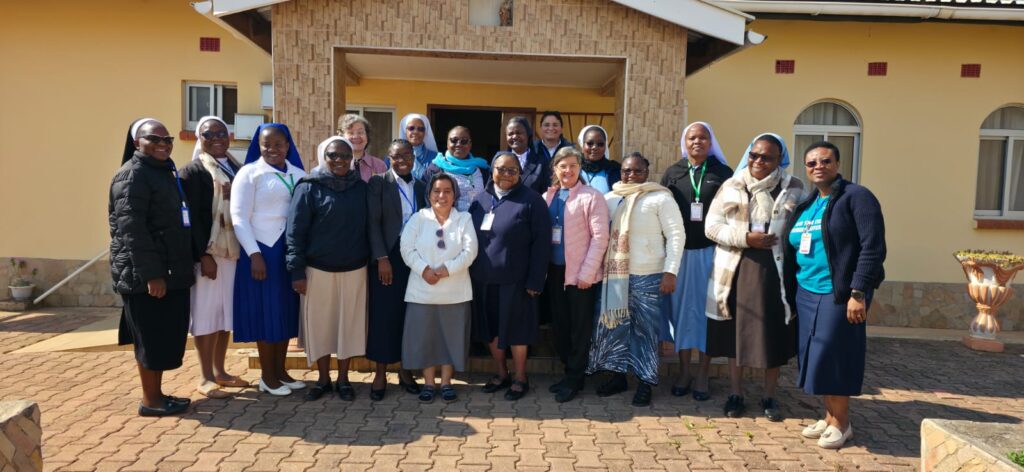
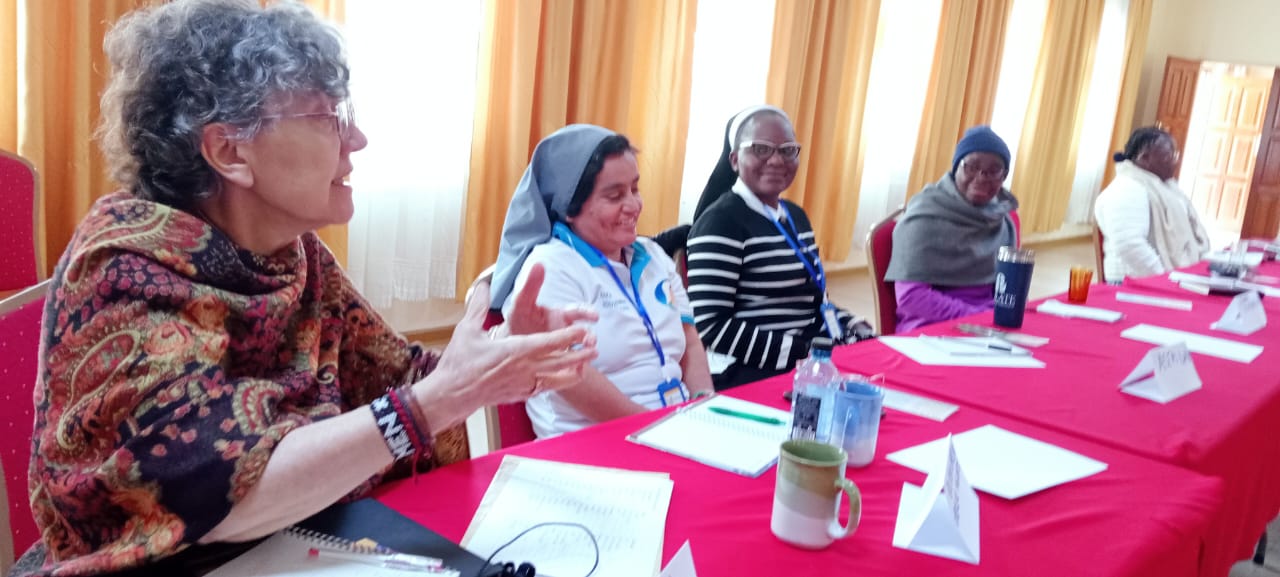
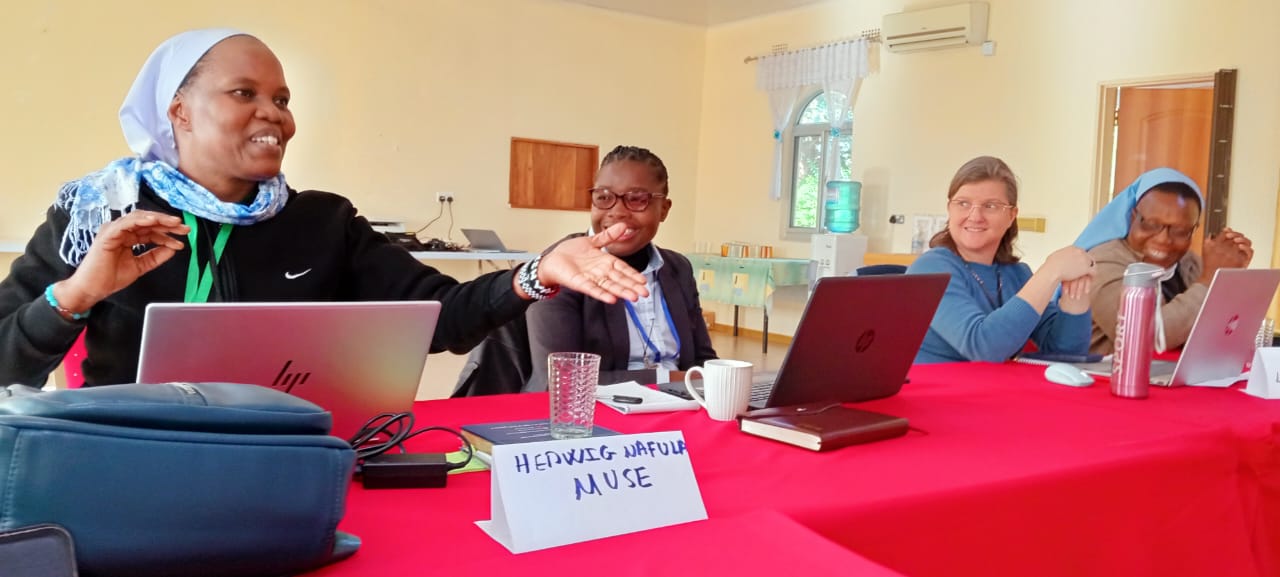
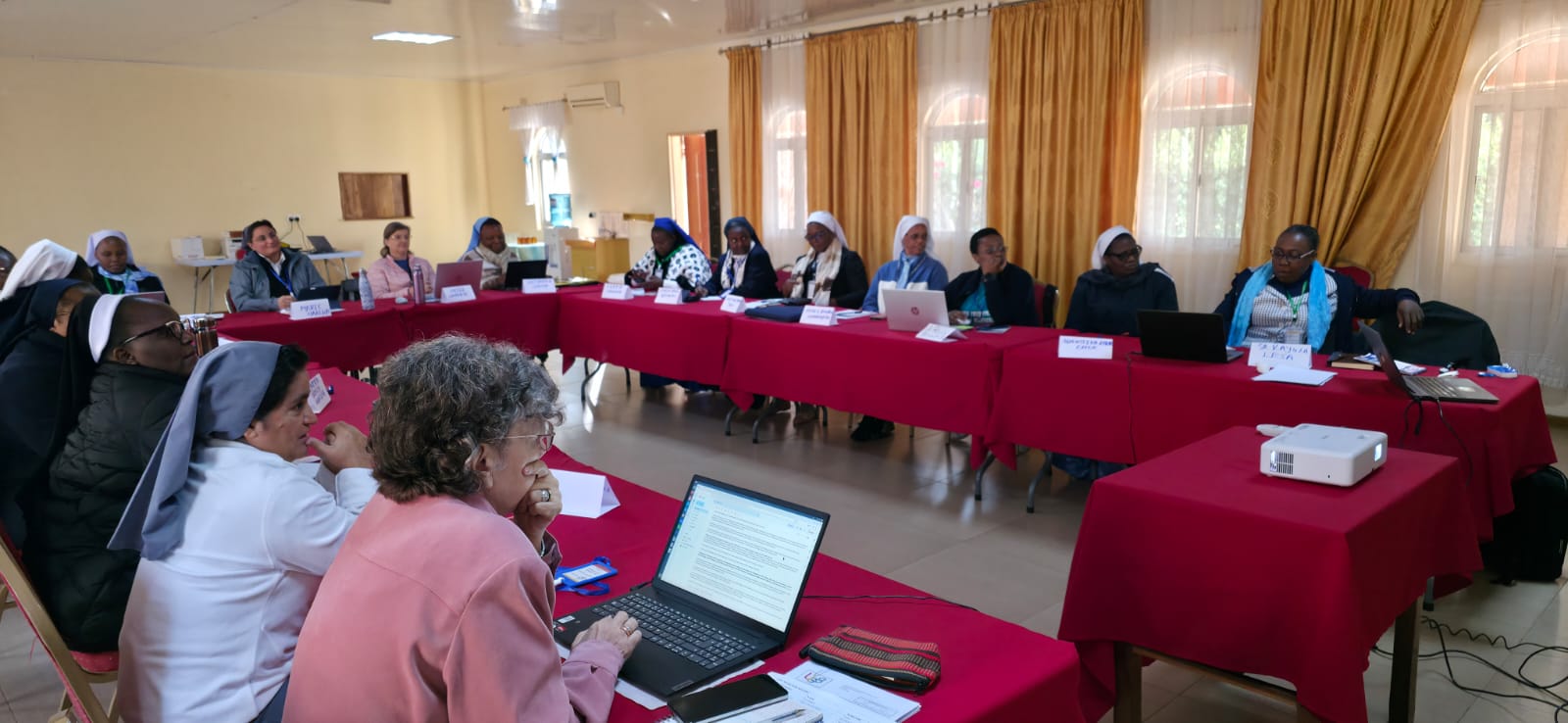
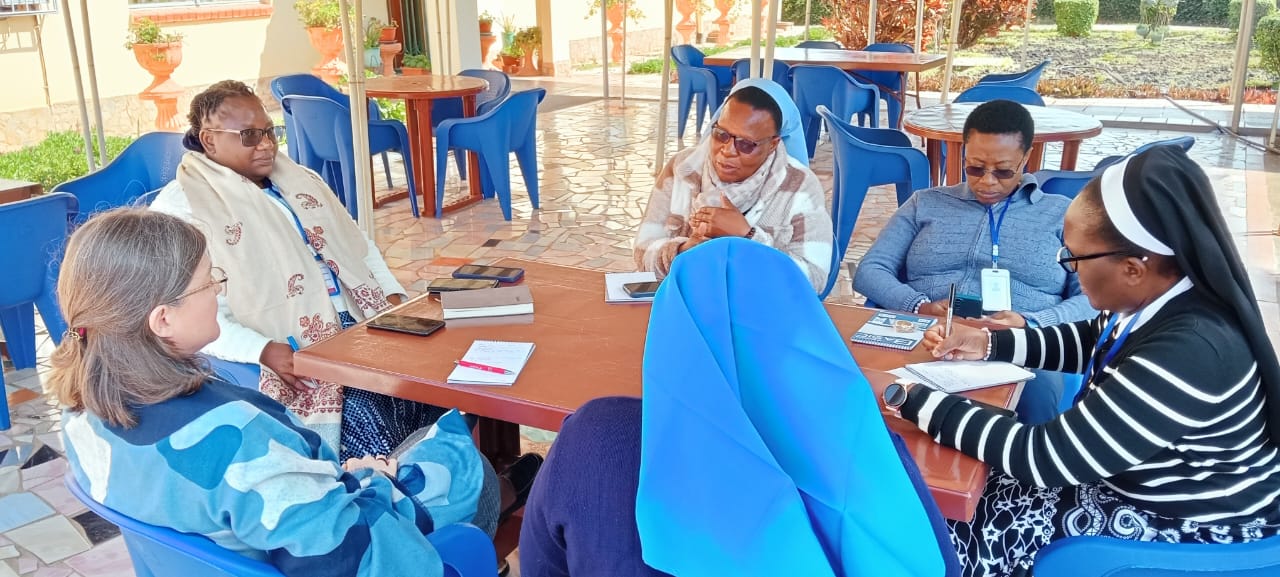
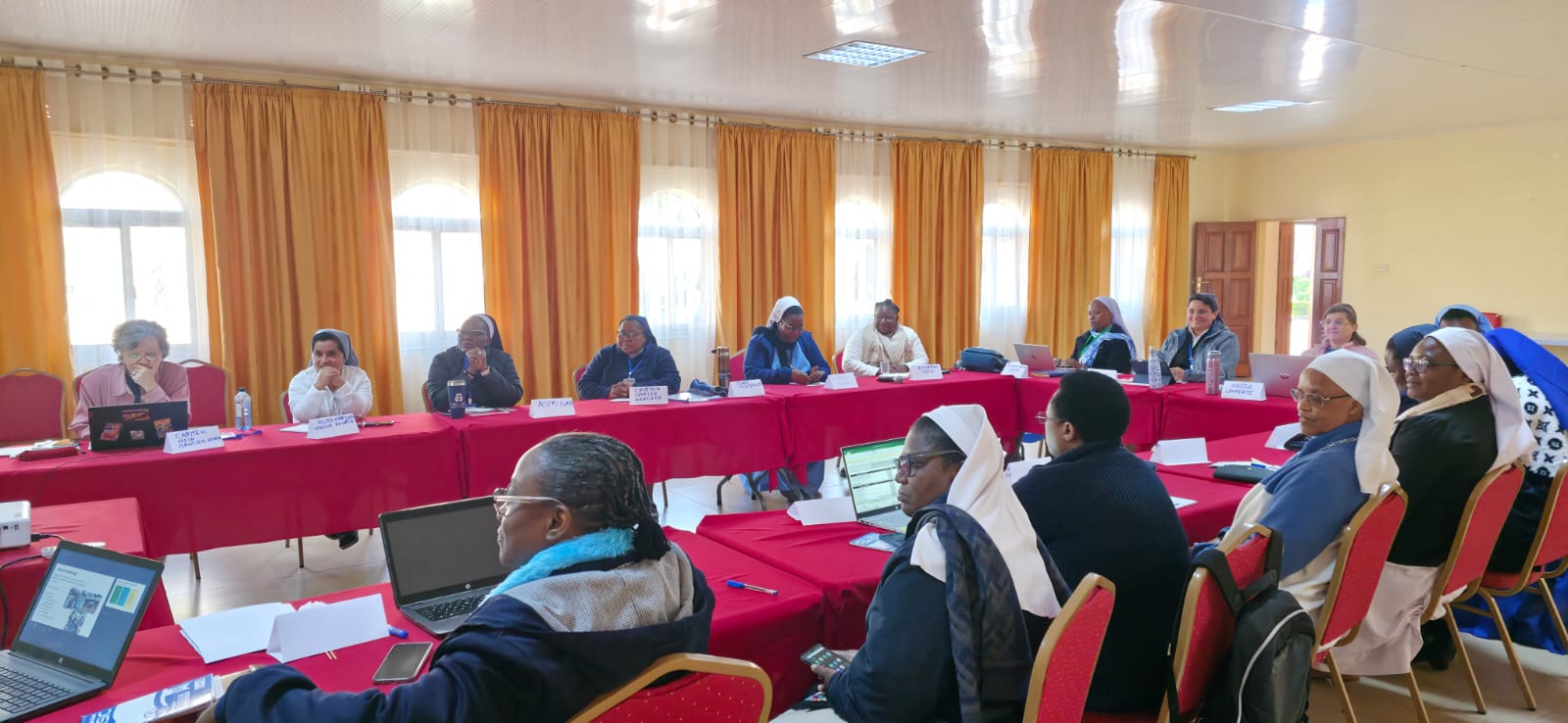
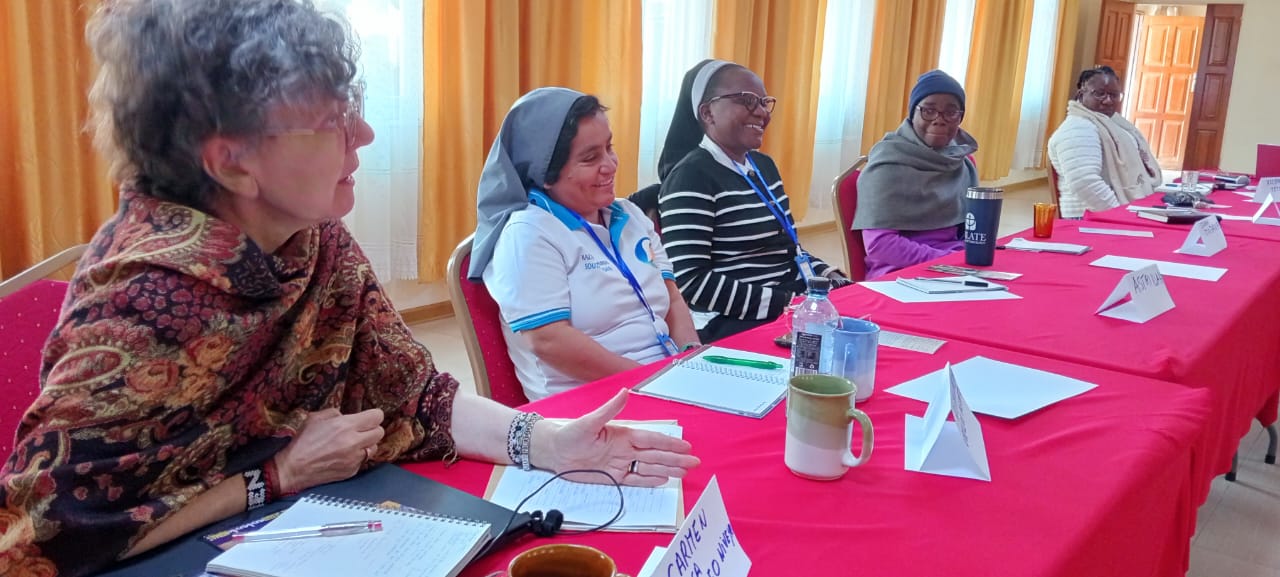
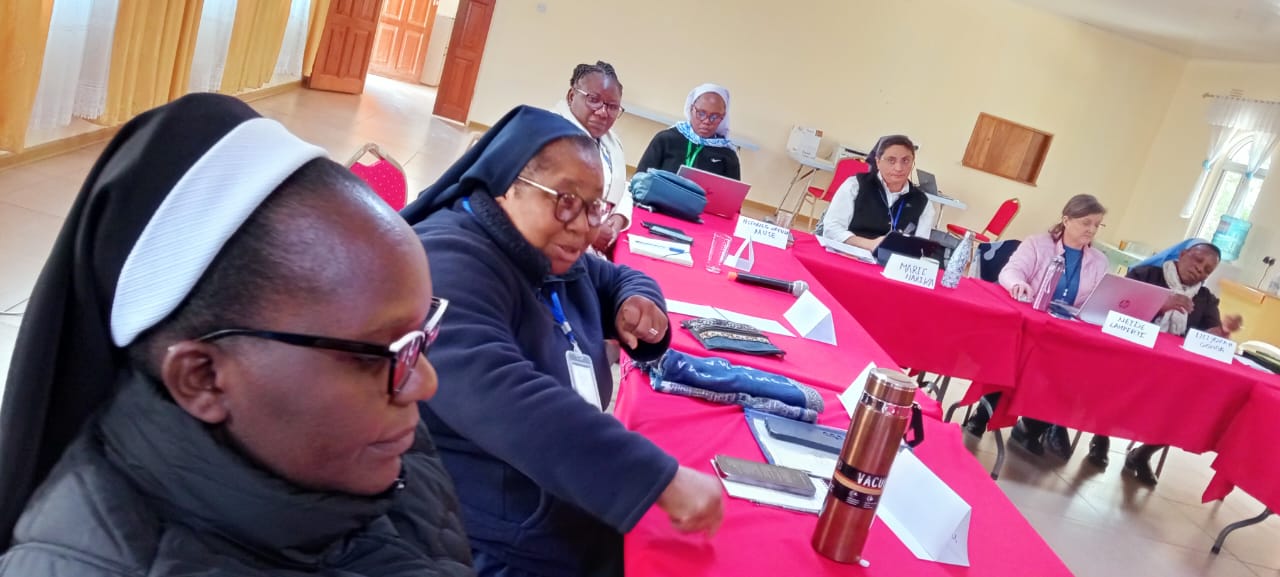
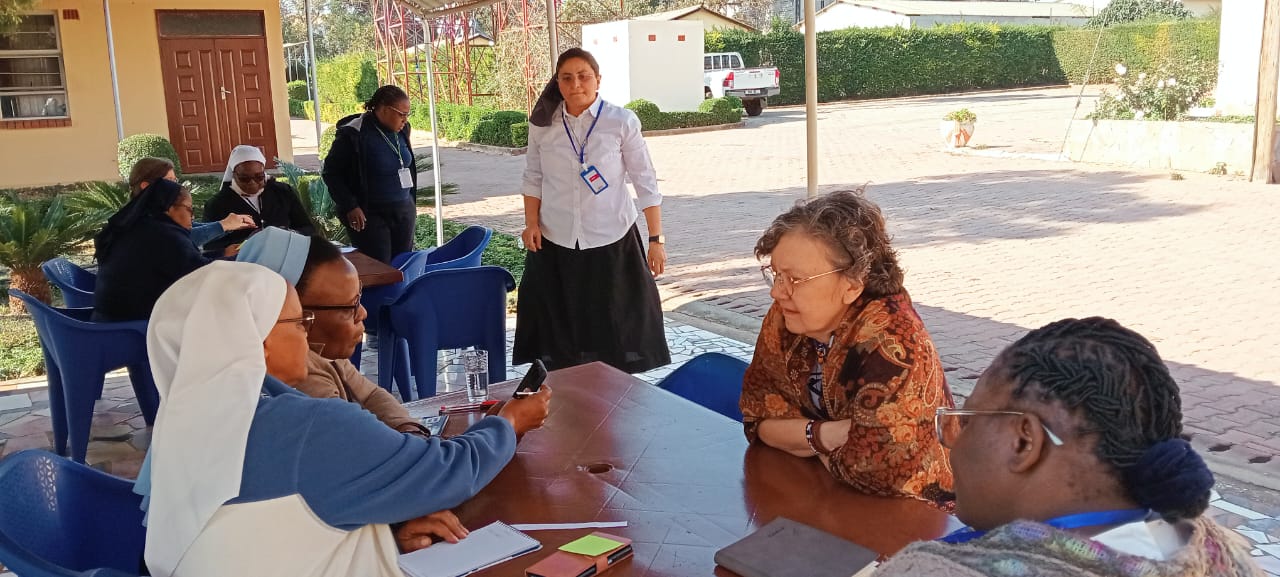
LUSAKA, Zambia — Nineteen women religious from Africa and other parts of the world are meeting at the Kasisi Retreat Centre in Lusaka from 13 to 17 July 2026 to strengthen the Church’s response to migration, forced displacement, and refugee protection.
Organized by the International Union of Superiors General (UISG) International Migrants and Refugees Network, the five-day formation workshop has brought together sisters serving in migration ministry in Kenya, Zimbabwe, Nigeria, Mozambique, Ghana, Rwanda, Malawi, Tanzania, Uganda, Zambia, South Sudan, Eswatini, Peru, Brazil, Lebanon, and Spain.
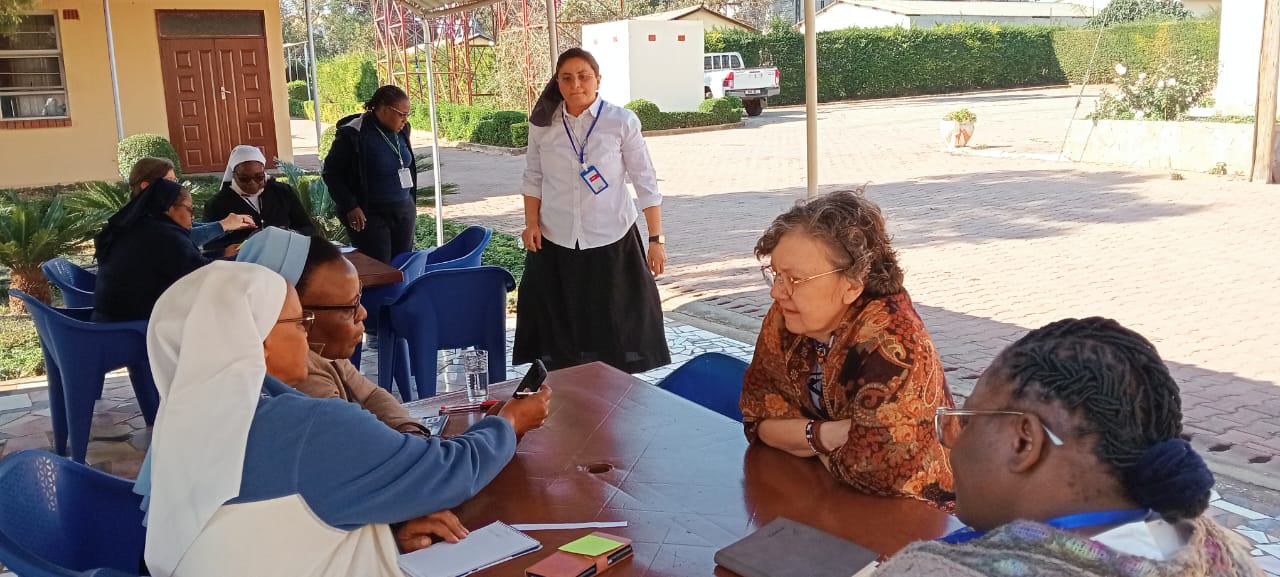
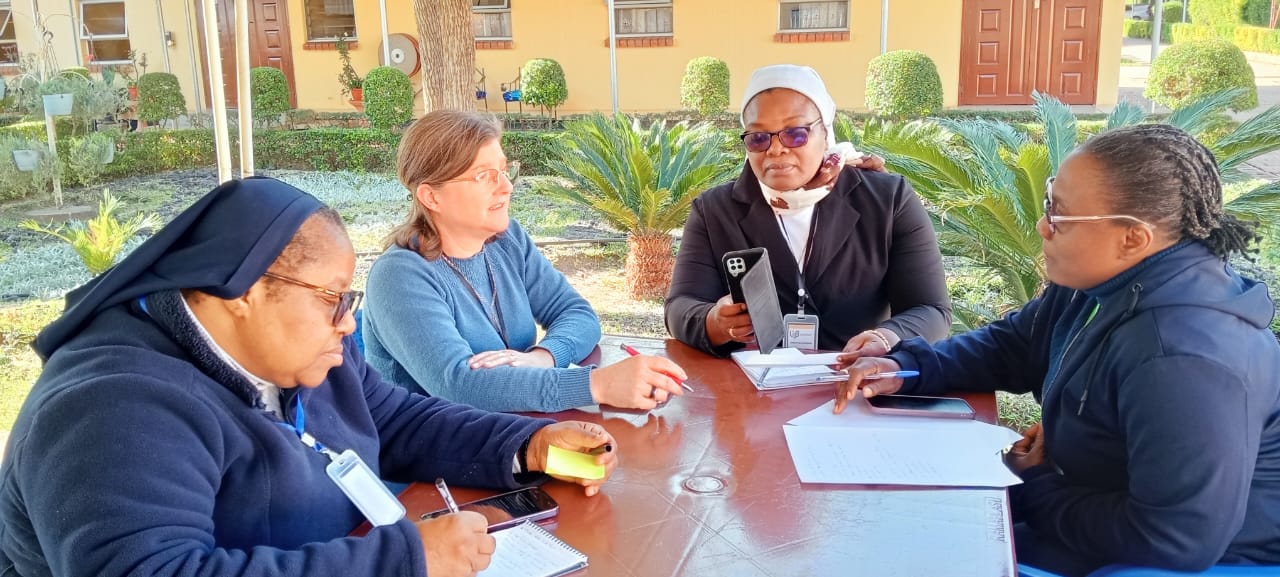
Organizers expect the gathering to culminate in the establishment of the UISG African Network on Refugees and Migration, a continental platform connecting women religious engaged in migration ministry across Africa. Participants will be encouraged to establish national networks through which sisters can share experiences, coordinate advocacy, and collaborate with humanitarian and faith-based organizations.
The gathering comes as conflict, violence, persecution, and climate-related shocks continue to uproot communities across Africa. According to the United Nations High Commissioner for Refugees, 68.7 million people worldwide were internally displaced by conflict or violence at the end of 2025. The Democratic Republic of Congo, Sudan, and South Sudan remain among the countries affected by major displacement crises.
The workshop seeks to equip women religious and other faith-based actors to provide informed, ethical, and coordinated leadership through advocacy, humanitarian engagement, and holistic accompaniment rooted in Catholic Social Teaching.
Participants are examining the different realities faced by migrants, refugees, asylum seekers, and internally displaced persons. While refugees have crossed an international border seeking protection, internally displaced persons have been forced to flee their homes but remain within their own countries. “Migrant” is a broader term encompassing people who move for different reasons and under different legal circumstances.
Sessions throughout the week address the coordination and accountability of humanitarian organizations, legal frameworks governing migration and refugee protection, advocacy, mental health and psychosocial support, and the theological foundations of migration in Sacred Scripture and Catholic Social Teaching. Participants are also examining migration trends in their regions and exchanging experiences from their ministries.
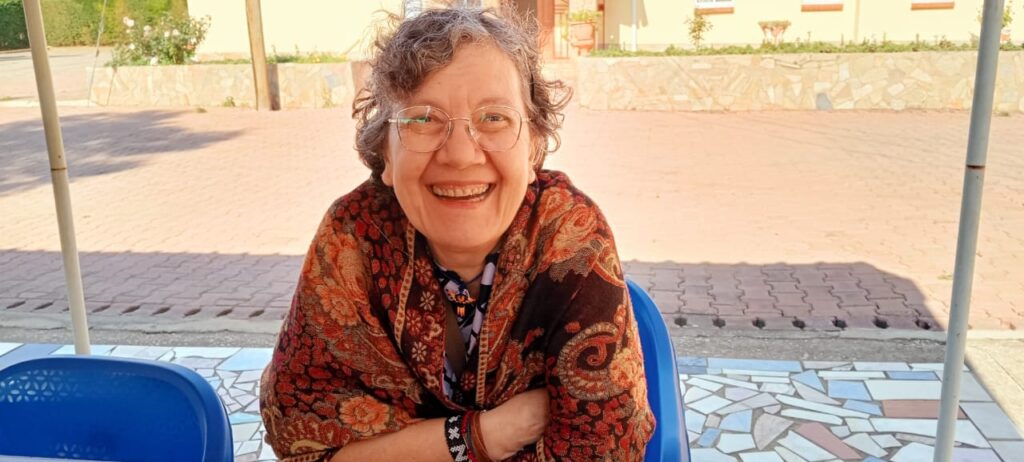
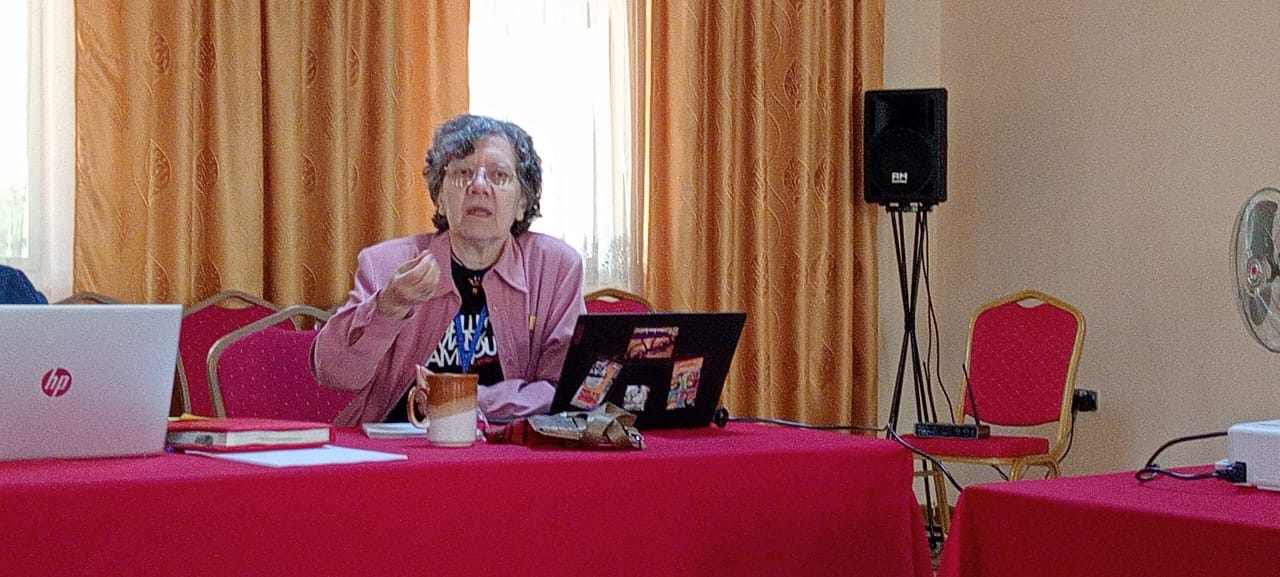
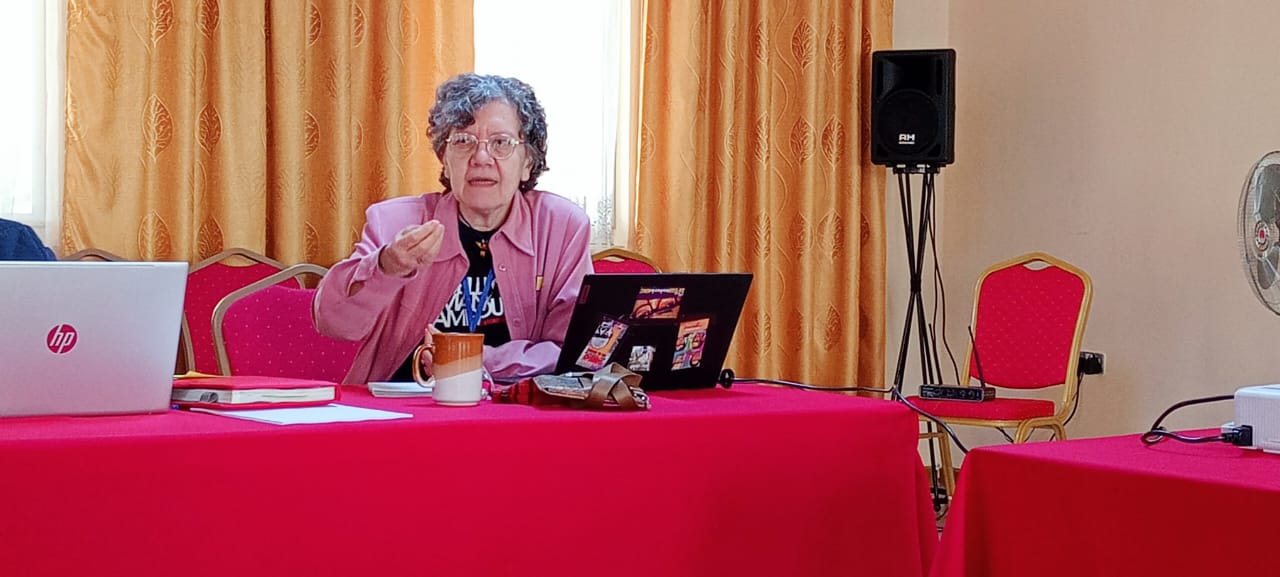
Sister Carmen Elisa Bandeo, SSpS, coordinator of the UISG International Migrants and Refugees Network, said the initiative grew from the conviction that women religious can have a greater impact when they work together.
Using the image of bamboo, Sister Bandeo explained that a single stalk can easily be broken, but many stalks bound together become strong and resilient. She said the image captures the vision of the proposed African network.
When we are united, we are strong, and we can have an impact.”
“When we are united, we are strong, and we can have an impact. That is the only way we will be the change we want to see in our world,” she said.
According to Sister Bandeo, the network will enable women religious to share pastoral experiences, coordinate advocacy efforts, and collaborate with humanitarian and faith-based organizations to promote the dignity and rights of migrants, refugees, and internally displaced persons.
The 19 participants are expected to return to their countries and begin developing national structures that will contribute to a coordinated continental response. These networks will also seek to strengthen collaboration with organizations already involved in migration advocacy, humanitarian assistance, and refugee protection.
One sister or congregation may have limited reach, but many working together can build a stronger response across Africa.”
For Sister Victoria Tito of Mozambique, the workshop offers an opportunity to acquire practical knowledge that she can apply in her ministry and share with her pastoral team.
“Participating in this workshop will help me acquire new knowledge about migration, refugees, and human rights while strengthening my skills,” she said. “I intend to apply what I learn in my ministry to improve support for people in vulnerable situations and share this knowledge with my team. I also hope to contribute to promoting human dignity and human rights in my community and my country.”
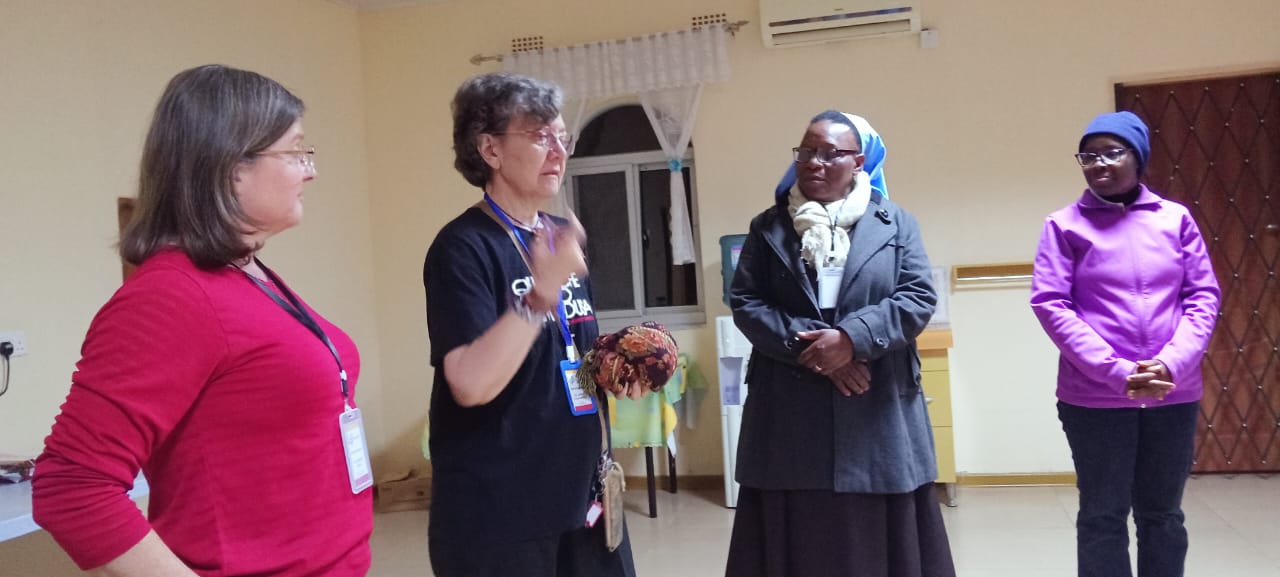
The workshop is being facilitated by Sister Carmen Elisa Bandeo, SSpS; Sister Kayula Lesa, RSC; Sister Lina Siabana, MSOLA; and Sister Marie Harika, SDC. Together, they are leading sessions that integrate humanitarian practice, pastoral care, mental health, theology, advocacy, and Catholic Social Teaching.
When the gathering concludes on 17 July, participants will leave Lusaka with the task of translating their formation into national collaboration and sustained continental action. The proposed network is intended to ensure that the Church’s ministry to people on the move is shaped not only by compassion, but also by professional competence, legal awareness, coordinated advocacy, and respect for human dignity.
The Church’s ministry to people on the move must be shaped not only by compassion, but also by professional competence, legal awareness, and respect for human dignity.”
For Sister Bandeo, the strength of the initiative remains captured by the bamboo: one sister or congregation may have limited reach, but many working together can build a stronger and more effective response to migration and forced displacement across Africa.