
“We Cannot Continue to Finance Destruction When We Are Being Called to Protect Creation” — Ashley Kitisya on COP31, Fossil Fuel Divestment and Africa’s Energy Future
Ashley Kitisya of the Laudato Si’ Movement tells Fr. Nnaemeka Ali, OMI why faith institutions are divesting from fossil fuels and what a just energy transition means for Africa after COP31.

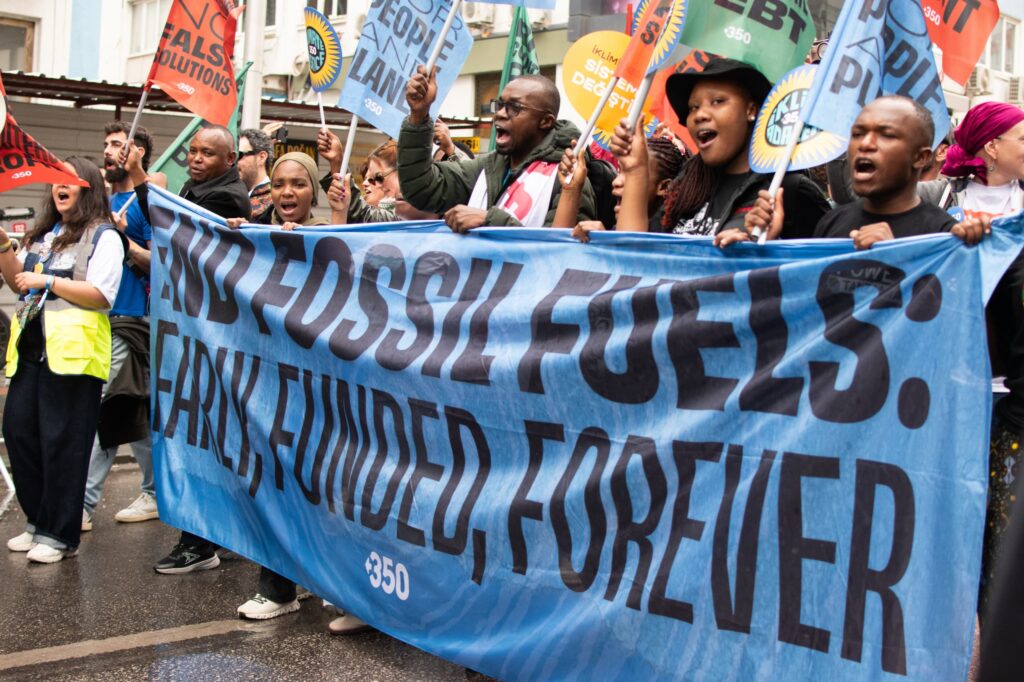
In conversation with Fr. Nnaemeka Ali, OMI | VoiceAfrique
As COP31 convened in Antalya, Türkiye, 33 faith institutions across Europe, North America and Africa announced commitments to divest from fossil fuel companies. The initiative, announced on 17 November 2026, called for an accelerated transition away from coal, oil and gas, alongside greater climate justice and accountability.
Among the participating institutions were five Catholic religious orders and a Catholic university from Africa, representing Burundi, Rwanda, Kenya, Zimbabwe and the Democratic Republic of Congo.
The announcement came amid difficult international climate negotiations and growing questions about the human cost of the global energy transition. COP31 concluded on 22 November without agreement on its overarching political text, although progress was made on other agenda items. For African countries, the challenge extends beyond reducing dependence on fossil fuels. It also involves ensuring that the extraction of minerals for batteries, electric vehicles and renewable-energy technologies does not reproduce patterns of exploitation, environmental destruction and human-rights abuses.
Following COP31, Fr. Nnaemeka Ali, OMI, spoke with Ashley Kitisya, Director of Africa at the Laudato Si’ Movement, who attended the first week of the summit in Antalya. Their conversation explored the significance of faith-based divestment, the participation of African communities in climate negotiations, the exploitation of mineral-rich countries, and the responsibilities of governments and religious institutions.
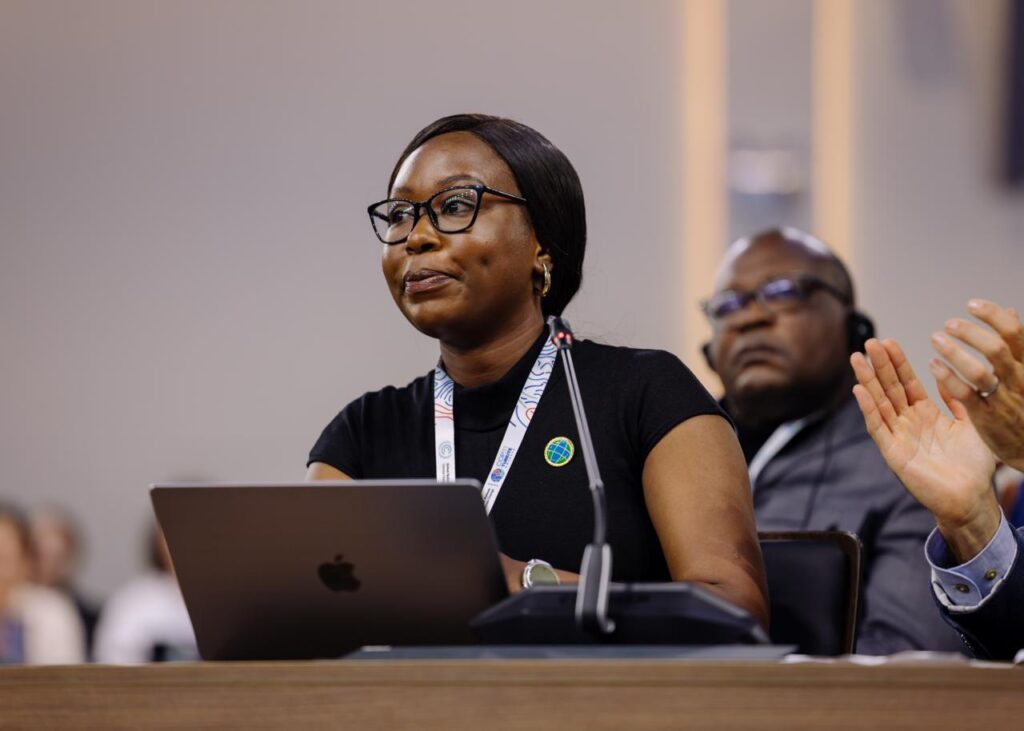
Kitisya argues that climate action must be measured not only by emissions reductions but also by improvements in people’s lives.
VoiceAfrique: Faith institutions have announced fossil fuel divestment commitments at a time when COP31 negotiations have raised concerns about weakening commitments to move away from fossil fuels. How do you interpret this contrast, and what message should religious leaders send to governments?
Ashley Kitisya: COP31 has just come to an end, and international climate negotiations have become a space in which the Church is increasingly present and active.
We saw position papers from bishops in Ireland and continental representation from the Symposium of Episcopal Conferences of Africa and Madagascar (SECAM), which issued a strong position paper on COP31. We also saw contributions from Colombia and CELAM, as well as active participation by bishops from the Philippines and other Asian bishops.
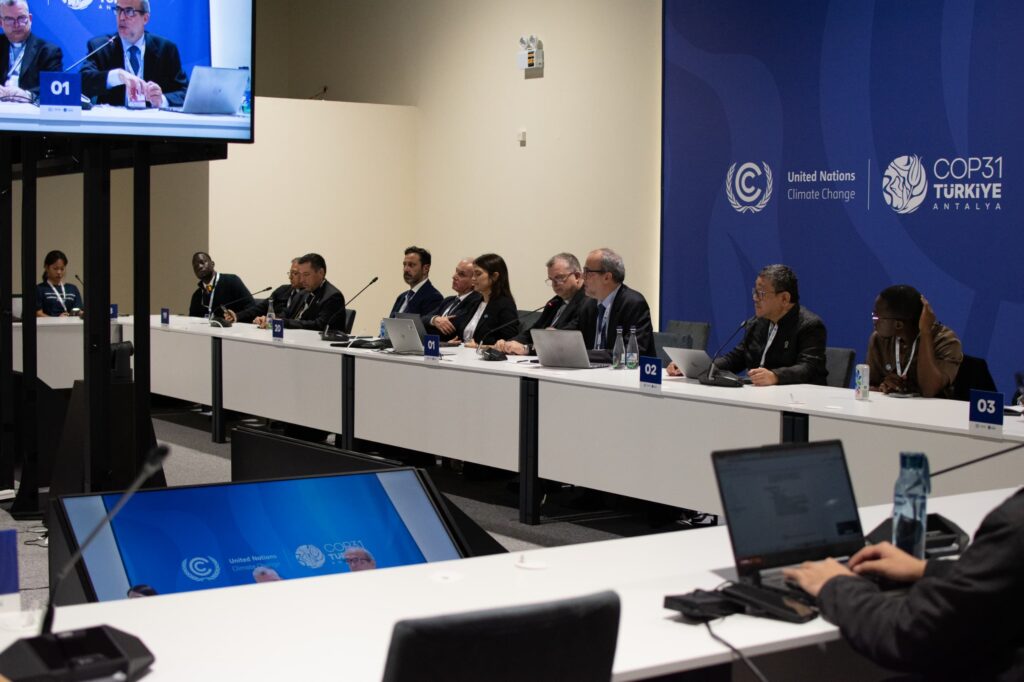
This is the moral leadership that is much needed in these spaces, particularly when we continue to struggle with questions about whether we should transition away from fossil fuels.
Faith institutions are leading this conversation by demonstrating their willingness to act. They are showing that moving away from fossil fuels is possible.
We hope to see stronger involvement, guidance and leadership from governments. But we can no longer wait for countries to develop their policies and positions before taking action ourselves. We must also lead by example.
That is why the decision by these 33 institutions to divest from fossil fuels is significant. They are not simply issuing statements. They are demonstrating how their financial resources can be used differently.
They are moving resources away from oil, gas, and polluting industries and toward renewable energy, community restoration, and healing the land.
These institutions recognize that we cannot continue to advocate for care for creation through Catholic social teaching, Church documents, and public declarations while simultaneously financing activities that destroy our common home.
For Catholics, this is particularly important. It echoes the call to action in Laudato si’, which reminds us that everything is interconnected: the cry of the earth and the cry of the poor.
This is not simply an environmental issue. It is about caring for our common home, protecting future generations and standing with those who are poorest and most affected by the climate crisis.
The outcome of COP31 has reinforced these concerns. We have seen how difficult it remains to reach consensus, even as communities continue to experience the consequences of decisions made by political leaders.
There is a time for making promises, but now is the time to implement those promises.
The disasters we are witnessing, from Nepal to the droughts affecting the Horn of Africa, demonstrate the urgency of concrete action. Otherwise, these disasters will become more frequent, pressures on governments will increase, and communities will face even more severe consequences.
One development that gives us hope is the parallel process countries are advancing to develop practical pathways for transitioning away from fossil fuels.
We have seen leadership from Colombia and Brazil, and international cooperation is growing on what a transition away from fossil fuels should look like across countries and industries.
This momentum matters because the Paris Agreement set the goal of keeping global warming well below 2 degrees Celsius and pursuing efforts to limit it to 1.5 degrees Celsius, but it did not explicitly identify fossil fuels as the principal driver of emissions in the way current discussions are addressing.
Religious leaders have a role in this process. They must continue to lead by example and speak with moral clarity.
We cannot continue investing in companies whose activities contribute to the crisis while simultaneously calling on those same companies to change.
Divestment helps remove the moral legitimacy that such investments can confer. It also pressures governments by showing that communities, churches, and institutions are already making changes.
COP31 was disappointing, especially given the momentum building in previous climate negotiations.
Another concern is the influence of fossil fuel lobbyists. Their participation in climate negotiations raises serious questions about whose interests shape the agenda. We have seen continued arguments for reliance on fossil fuels, including proposals involving carbon-capture technologies, rather than sufficient attention to moving away from the principal sources of emissions.
Meanwhile, renewable energy is increasingly available and can be scaled up.
There is also an important question of energy security. An oil-producing country can face sanctions that interrupt the movement of its resources, but the sun cannot be sanctioned. That is one reason we should invest more seriously in renewable energy.
Faith leaders must maintain their public witness, and divestment is one important way of doing so.
VoiceAfrique: These are significant institutional commitments. But how can the Church ensure that climate action reaches ordinary people, especially those in the pews and in communities most affected by environmental destruction? How can their experiences and testimonies become part of the decisions being made?
Ashley Kitisya: I agree that frontline communities must be at the forefront of decision-making.
It is no longer enough to say we are carrying their voices or amplifying them. We need to reduce the distance between decision-makers and the communities themselves.
The Church has made a strong effort in this direction.
For example, SECAM has included grassroots leaders in its work and has undertaken consultations through regional episcopal structures to understand the lived realities of communities experiencing climate change.
The Church also engages through its Justice and Peace offices. These structures extend to the grassroots and provide opportunities to address the challenges communities face.
For a long time, the Church has supported people through food assistance, food-security programmes and education in agroecology. But its work is also expanding to include education about climate policy and climate finance.
In Kenya, for example, the Catholic bishops’ conference has undertaken extensive training for Justice and Peace personnel on climate finance and what it means at national and subnational levels.
These efforts help bring information and resources closer to communities while also informing the positions that Church institutions present to governments.
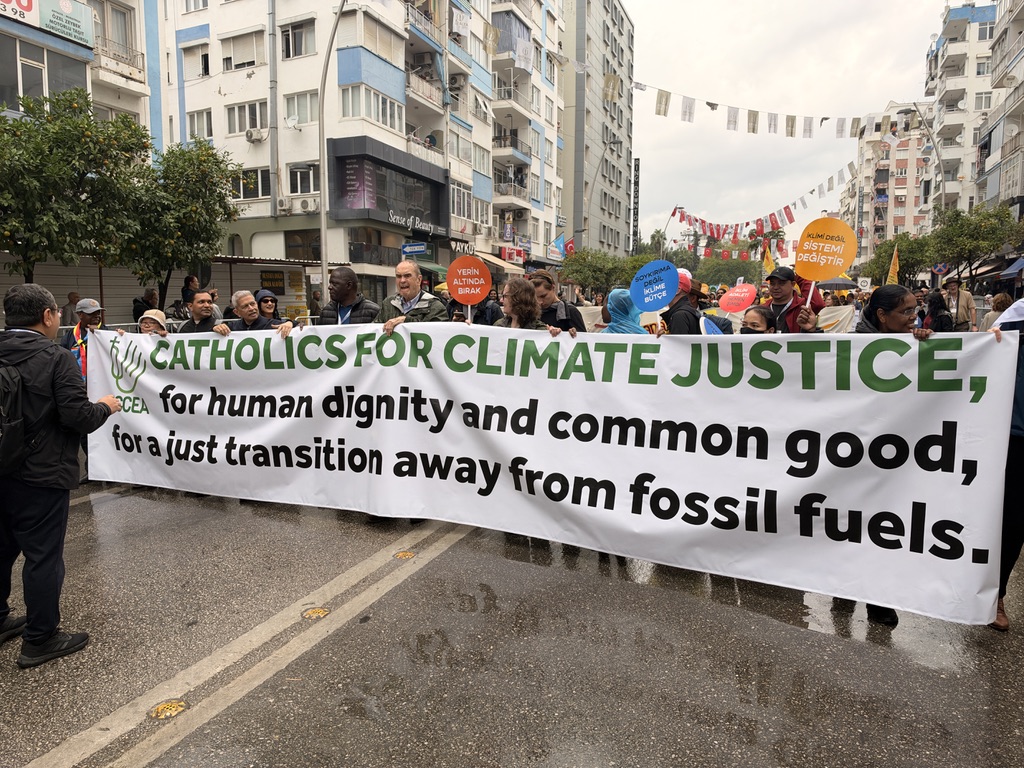
The Church has parliamentary liaison structures that work with governments to bring the perspectives of integral ecology and integral human development into national, regional and international discussions.
I think the African Church has made meaningful efforts to bridge the gap between institutions and the frontline communities they serve.
However, the wider international system remains a challenge.
These structures were not created recently. In many respects, they reflect systems inherited from a time when Africans were excluded from meaningful participation.
Although opportunities for African engagement have increased, participation remains limited.
At COP31, for example, we witnessed an intervention by representatives of the African Group of Negotiators being interrupted during the closing proceedings.
That illustrates why Africa needs more than symbolic participation. We need meaningful engagement, greater authority and adequate space to negotiate.
Africa is a youthful continent, rich in natural resources and essential to the global energy transition. We must approach negotiations knowing that we have something to offer and that our interests deserve to be taken seriously.
Another challenge is that developing countries often lack the resources and institutional capacity to respond adequately to climate change.
This is why discussions about increasing adaptation finance are so important.
Climate finance must move from the podium to the pews.
It must reach communities and provide them with the resources they need to survive, recover and thrive.
It should also support communities in preserving their cultural rights and restoring practices that have helped them care for their environment.
We need to recognize the value of Indigenous knowledge and ways of life rather than assuming that every solution must come from a technological model that can create new forms of dependence.
Consider communities that once had access to their own seeds but now depend on purchasing seeds from outside. We should be asking how to restore their capacity to sustain themselves.
The Church has an important role in connecting these immediate concerns with the larger structural causes of the climate crisis.
Meaningful participation also requires that people’s basic needs are met.
When you speak to people who are hungry, you cannot begin by telling them about climate finance or asking them to join a Zoom meeting to discuss advocacy and policy.
They first need adequate food, education, reliable electricity, clean cooking and healthcare.
Once those basic needs are met, communities are better positioned to participate meaningfully in decisions that shape their future.
VoiceAfrique: The transition to renewable energy and electric mobility is increasing demand for minerals found across Africa. Yet mineral extraction, particularly in the Democratic Republic of Congo, has been associated with environmental destruction, conflict, dangerous working conditions and child labour. How does the Laudato Si’ Movement address these contradictions? Should faith institutions extend their ethical investment principles to the entire clean-energy supply chain?
Ashley Kitisya: This is one of the most important ethical questions concerning the energy transition, particularly in Africa.
We cannot speak about a just transition away from fossil fuels without addressing the injustices in renewable energy supply chains.
The Democratic Republic of Congo is one of the most painful examples. But we also have other mineral-rich countries, including Zambia, Mozambique and South Africa.
Across much of the African continent, enormous mineral resources include materials essential for batteries, electric vehicles, and other clean-energy technologies.
Yet communities living near extraction sites continue to experience poverty, environmental degradation, unsafe working conditions and, in some contexts, child labour and exploitation.
This raises a fundamental question: How can we claim to be building a new and better system if the technologies on which it depends continue to produce injustice at the expense of human dignity?
At the Laudato Si’ Movement, we recognize this tension.
We cannot separate environmental protection from workers’ rights, the protection of children and the dignity of communities whose natural resources are being extracted.
A transition that reduces carbon emissions but continues to perpetuate exploitation is not just.
That is precisely why justice must be at the heart of the transition.
Otherwise, we risk reproducing the same injustices, with oil, gas and coal simply being replaced by cobalt, nickel, gold and other minerals.
We must therefore advocate for ethical investment practices that extend beyond fossil fuels.
These are conversations we have begun at the continental level, including engagement with the Association of Member Episcopal Conferences in Eastern Africa.
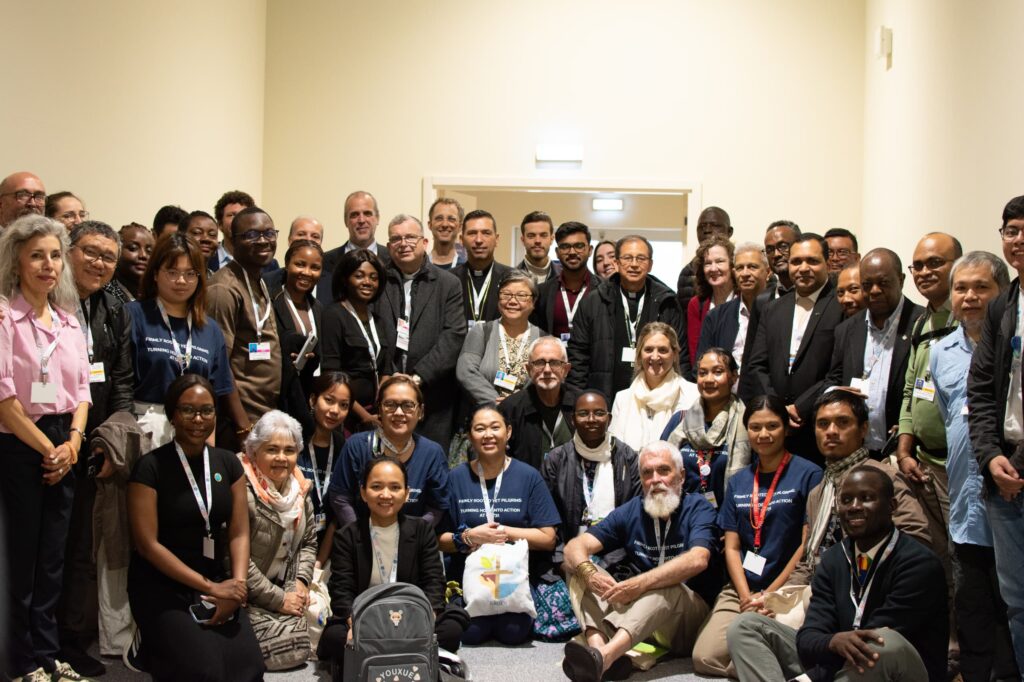
We are advocating for responsible investment and procurement policies that examine human rights, labour conditions, environmental impacts and corporate accountability throughout clean-energy supply chains.
We also need to address the wider problem of extractivism.
Africa frequently exports raw materials, which are then processed elsewhere and sold back to African countries as finished products at much higher prices.
This model must change.
We need technology transfer and stronger African institutions capable of processing minerals and manufacturing products locally.
We must also ensure that companies operating in these sectors comply with environmental and human-rights standards.
Where abuses occur, affected communities must have access to effective remedies.
Responsible sourcing is essential. Companies must undertake appropriate due diligence, particularly when obtaining minerals from areas associated with conflict or serious human-rights risks.
We welcome steps by governments to strengthen mining regulations, but legislation must be matched by implementation and accountability.
Communities must also be informed and empowered to make decisions about activities affecting their land.
They should have the right to say no to extraction projects and to participate meaningfully in decisions about relocation, compensation and the use of their natural resources.
These conversations need to take place more extensively across Africa so that we can proactively shape how our resources are governed.
The principles of a just transition must be reflected in the mechanisms that guide it.
This is also central to the proposed Fossil Fuel Non-Proliferation Treaty, which seeks international cooperation to phase out fossil fuel production while ensuring communities and workers are not abandoned.
Countries that have benefited most from fossil-fuel-based development have a responsibility to provide adequate financing to support this transition.
Workers must also be supported through retraining and opportunities to participate in emerging industries.
The principle we uphold at the Laudato Si’ Movement is that a transition cannot be considered just if it perpetuates injustice.
We believe an energy transition is possible while protecting the human dignity of all people.
VoiceAfrique: African countries possess many of the resources needed for the global energy transition, yet millions of Africans still lack reliable electricity and affordable clean-energy technologies. African representatives have also raised concerns about climate finance and the danger of the continent remaining a supplier of raw materials for wealthier economies. What concrete commitments are needed to ensure that Africa benefits fairly from its resources?
Ashley Kitisya: For Africa, the central question is not whether the world should transition away from fossil fuels. It is whether that transition will address the historical inequalities that have left our continent behind.
Those inequalities have left many communities without electricity and have also made Africa disproportionately vulnerable to the climate crisis.
Africa has contributed relatively little to global emissions, yet our communities continue to experience devastating climate impacts.
This is a profound injustice.
Africa cannot be expected to carry the burden of a crisis it did not create.
Neither should African countries be asked to sacrifice their development in the name of a global transition that primarily benefits wealthier communities.
We must move beyond a model in which Africa supplies minerals and other natural resources to power the energy transition elsewhere.
In some cases, African gas helps meet energy needs in Europe, while communities near the gas fields still lack access to clean cooking and other basic energy services.
That cannot continue.
We need to ensure that African communities have access to reliable energy, decent employment and meaningful economic opportunities.
At the Laudato Si’ Movement, this is why we emphasize a just energy transition.
I would go further and say that the transition must be fair and fully funded.
Wealthier countries bear the first responsibility and must provide adequate climate finance.
This support should not simply take the form of additional debt for African countries.
We need grants, technology transfer, education, stronger institutions and investments that enable Africa to expand renewable energy, strengthen climate resilience and protect communities affected by the transition.
Africa also has opportunities to demonstrate leadership.
Because many communities have not been fully served by older energy systems, there is an opportunity to develop renewable-energy infrastructure that responds directly to their needs.
Our natural resources should benefit our people.
The second priority is governance.
African governments must strengthen transparency in the extractive sector, protect workers and children, and invest in local manufacturing, mineral processing and energy infrastructure.
We need to ensure that the wealth generated from these resources contributes to development within the continent.
The third priority concerns international accountability.
Africa does not exist in isolation. International institutions, corporations and investors must be held accountable for the social and environmental consequences of their investments and supply chains.
We need stronger legal accountability for companies and other actors responsible for violations of labour standards, human rights and environmental safeguards.
These protections must not be treated as optional considerations. They should be fundamental conditions of the energy transition.
Energy justice is also about much more than producing electricity.
It means ensuring that young people have access to education, skills and decent employment in the emerging clean-energy economy.
As we look towards COP32 in Addis Ababa, Ethiopia, there is an opportunity for Africa to help shape a transition that is genuinely just and equitable.
COP31 was disappointing. After two weeks of negotiations, extensive work and testimony from communities experiencing the climate crisis, the outcomes did not adequately respond to the urgency of the situation.
But Africa has an opportunity to exercise leadership as the next climate conference approaches.
That leadership must be supported by international commitments, especially climate finance from wealthy countries, technology transfer and meaningful accountability.
Our message is that climate justice cannot be achieved without energy justice, and energy justice cannot be achieved without protecting human dignity.
We do not want another summit where Africa’s vulnerability is acknowledged but its needs remain unmet.
We want COP32 to be remembered as a moment when commitments began translating into real improvements in people’s lives.
The success of the energy transition should ultimately be measured not only by how much carbon dioxide we reduce, but also by how many people gain access to clean energy, how many livelihoods are protected and whether historically excluded communities have a meaningful role in shaping their future.
VoiceAfrique: Finally, despite the disappointments of international climate negotiations, what gives you hope as a climate justice advocate? And what message of hope would you offer African communities facing these challenges?
Ashley Kitisya: Even though the multilateral process has sometimes demonstrated its failures, it still plays an important role.
Without the Paris Agreement and international climate action, we would have been heading towards much higher levels of global warming.
We are still not where we need to be. The goal remains limiting warming to 1.5 degrees Celsius.
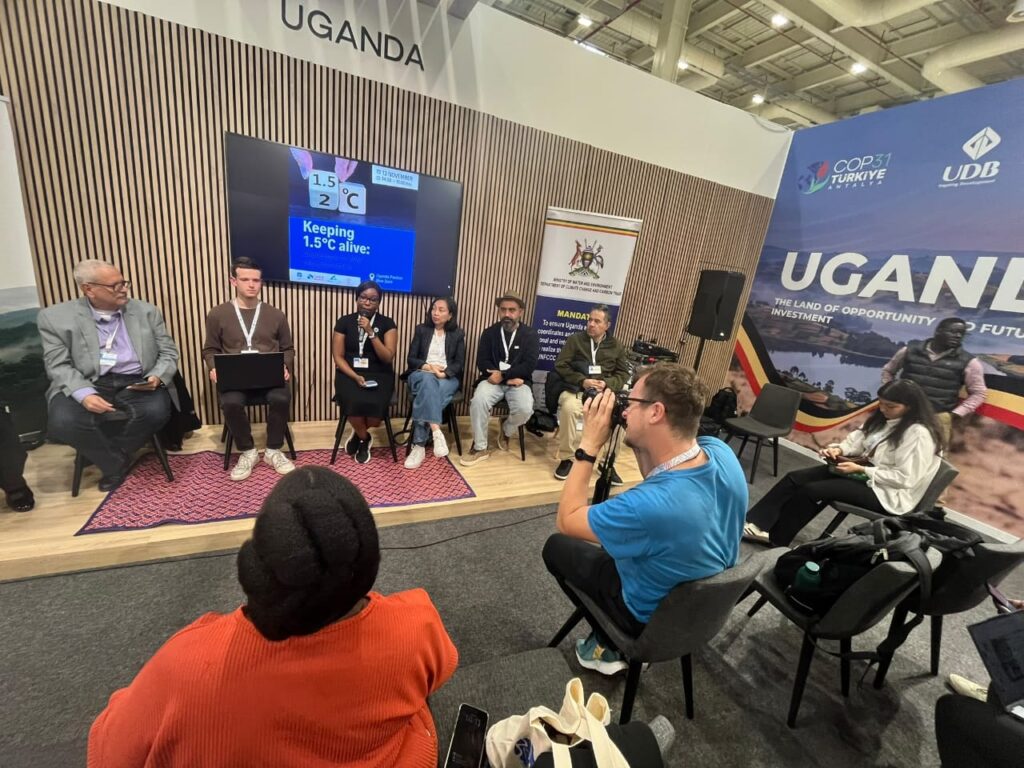
But the international process remains important, and we cannot simply abandon it.
At the same time, we cannot wait for governments to reach political consensus before taking action.
Faith institutions have an important role in demonstrating that moral leadership can begin at the community level.
Our investments must reflect our faith.
We cannot continue to finance destruction when we are being called to protect creation.
And for Africa, we cannot remain a mine that is continuously exploited while our communities remain in darkness.
It is time for us to advocate for what is rightfully ours, to take our place in these discussions and to ensure that our communities do not continue living without the energy and opportunities they deserve.
Fr. Nnaemeka Ali, OMI: Thank you very much, Ashley. We are delighted to welcome you again to VoiceAfrique. We appreciate the work you and your team are doing to represent voices that are not always heard and to remind us that climate justice is not only about protecting the environment. It is also about protecting humanity, which belongs within the interconnected web of life.
Ashley Kitisya: Thank you so much. It has been a pleasure.
This interview has been edited for clarity and readability.
Related reading: Justice Is the Heart of Climate Action: A Conversation with Ashley Kitisya on African Faith, Fossil Fuels, and a Just Transition.


Join the conversation