
Nasarawa: 60 Women and Girls Trained in Baking, Beverage Production, and Soap Making
Quinnybel Ventures project, in collaboration with PACTPAN and the Rotaract Club of Apo, promotes economic self-reliance at the grassroots.

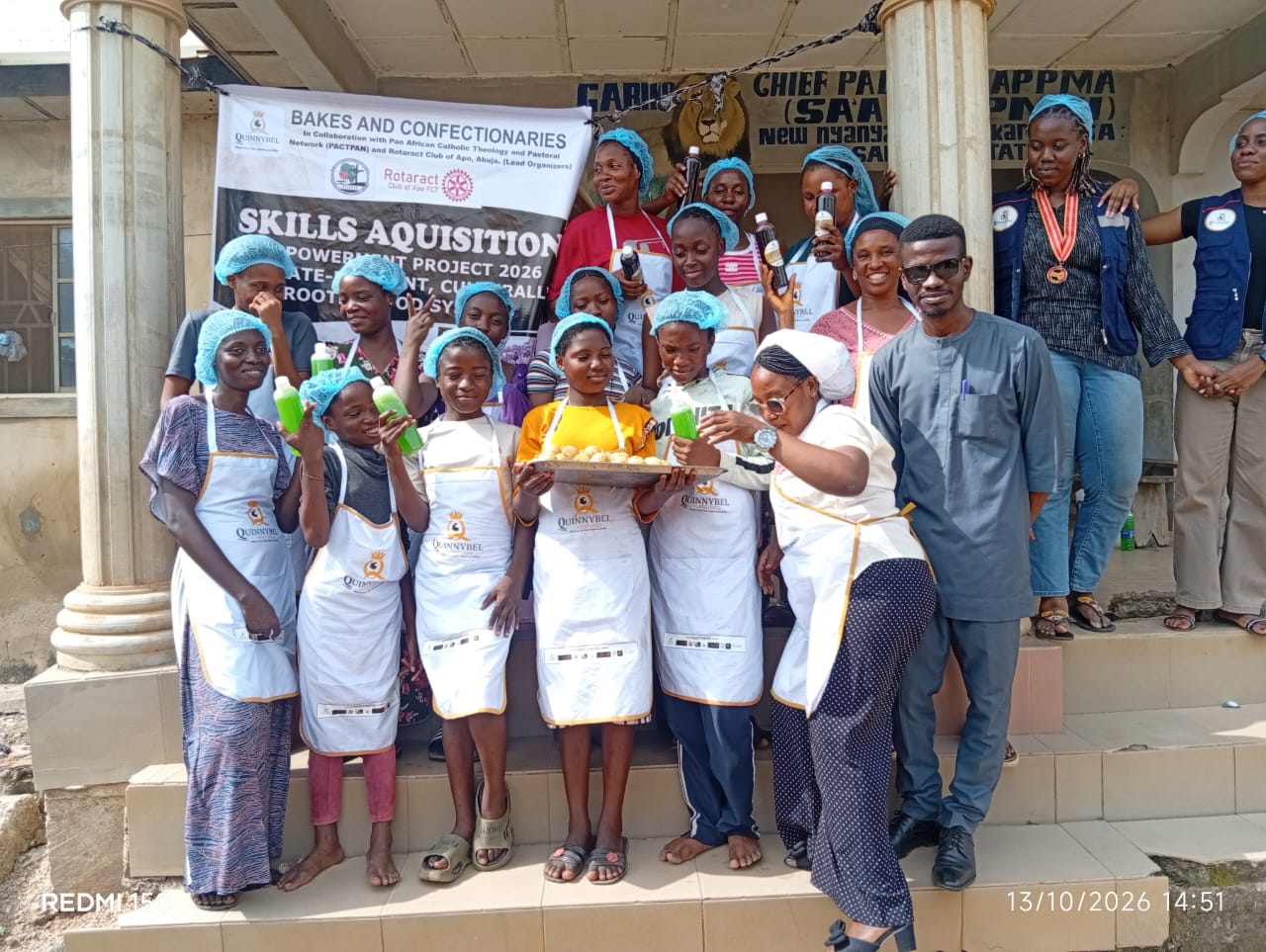
KARU, Nasarawa State, Nigeria: Sixty women and girls have acquired practical skills in baking, beverage production, and liquid soap making through a six-day empowerment project aimed at helping them establish small businesses. The second edition of the Quinnybel Ventures Skills Acquisition and Women’s Economic Empowerment Project ran from October 12 to 17, 2026, in the Karu Local Government Area. This initiative was organized by Quinnybel Ventures Bakes & Confectioneries in collaboration with the Pan-African Catholic Theology and Pastoral Network (PACTPAN) and the Rotaract Club of Apo, Abuja.
The training took place in two communities. Thirty participants from Angwan Barrister, also known as Appman Village, attended sessions from October 12 to 14, while another 30 from Angwan Hausawa participated from October 15 to 17.
Themed “Food for Tomorrow: Cultivating Climate-Resilient, Culturally Rooted Food Systems,” the project aimed to promote self-reliance and entrepreneurship among women and young people. In keeping with the theme, participants were introduced to the use of locally available ingredients and resources.
Practical sessions covered the preparation of chin-chin, buns, puff-puff, iced tea, and zobo drinks, as well as liquid soap production. Participants also received training in product costing and marketing to help them turn their newly acquired skills into viable businesses.
Rotaractor Edelquinn Clementina Akighir facilitated the sessions on pastry and beverage production. She is the founder of Quinnybel Ventures Bakes & Confectioneries, Project Chair of the Rotaract Club of Apo, and Deputy Director of Programmes at PACTPAN. Mr. Elisha Roberts led the sessions on marketing and product costing, while Rotaractor Chinelonma Agudosi, President of the Rotaract Club of Apo, facilitated the practical sessions on liquid soap production. The Rotaract Club of Apo and PACTPAN also supported the coordination and implementation of the program across the two communities.
For some beneficiaries, the training provided an opportunity to strengthen existing skills and explore new vocational avenues. Gloria Peter, a school leaver from Angwan Barrister, stated that she joined the program to build upon skills she had previously acquired. She plans to establish her own business and encouraged other women and young people to embrace self-empowerment rather than depend solely on the search for formal employment.
Hauwa Mohammed, a homemaker from Angwan Hausawa, expressed her gratitude to the organizers for this opportunity. “I learned many important skills, and I enjoyed the program. We honestly appreciate you for such a program, and we thank God,” she said. She explained that the training had equipped her with practical skills that could help her establish a small business and contribute to her household income. “I can start a business with the skills I have learned. I can also bake at home for my family’s consumption and render my services to others who want to produce for sale or for events,” she added.
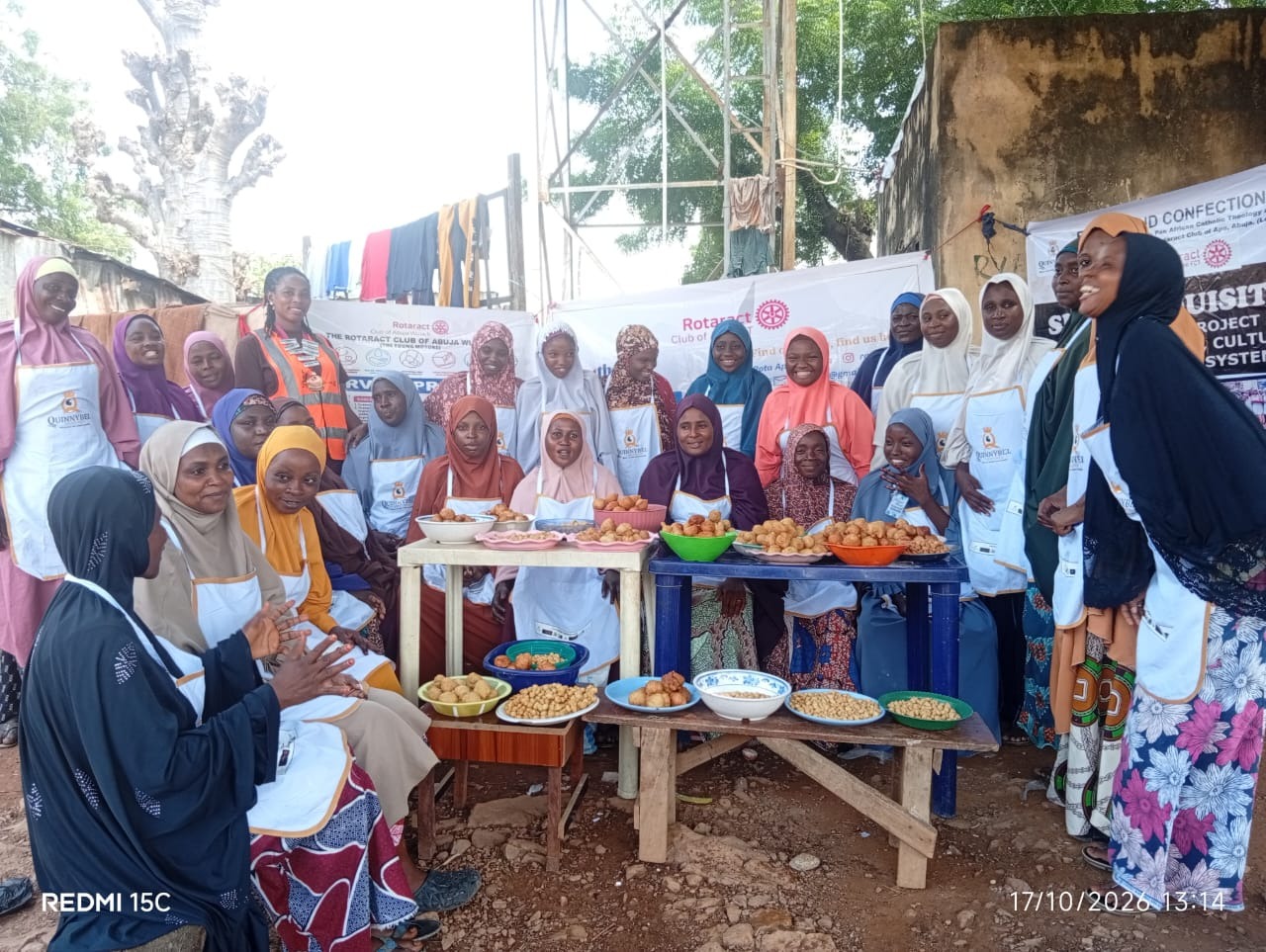
At the end of the program, participants received certificates of participation in recognition of their involvement. Ms. Akighir reaffirmed her commitment to women’s economic empowerment, emphasizing the importance of equipping women with practical skills and opportunities to improve their livelihoods. “When a woman is equipped with the right skills and opportunities, she is better positioned to transform her life and contribute meaningfully to her community,” she stated.
The 2026 edition builds on the inaugural program held in 2025. According to the organizers, the combination of vocational training, entrepreneurship education, and the use of locally available resources is intended to strengthen household resilience and expand women’s economic participation. The broader vision is to empower women and young people to become economically self-reliant and active contributors to the development of their communities.




Join the conversation