
LUSAKA, ZAMBIA — For decades, the Catholic Sisters of Zambia have been the steadfast, often unnoticed, heartbeat of national progress. This past August, that heartbeat found a new, resolute rhythm. At the launch of the Communication Network for Catholic Sisters (CNCS) Strategic Plan for 2025–2029, a historic pledge was made to move from silent service to authoritative storytelling.
According to Sister Martha Chanda, Assistant Director of CNCS, this is not merely a strategic shift but a prophetic calling.
The Sisters have to understand that their voice is powerful and prophetic. It is their duty to speak out for the vulnerable”
This conviction transforms the act of communication from an optional tool into a sacred mandate.
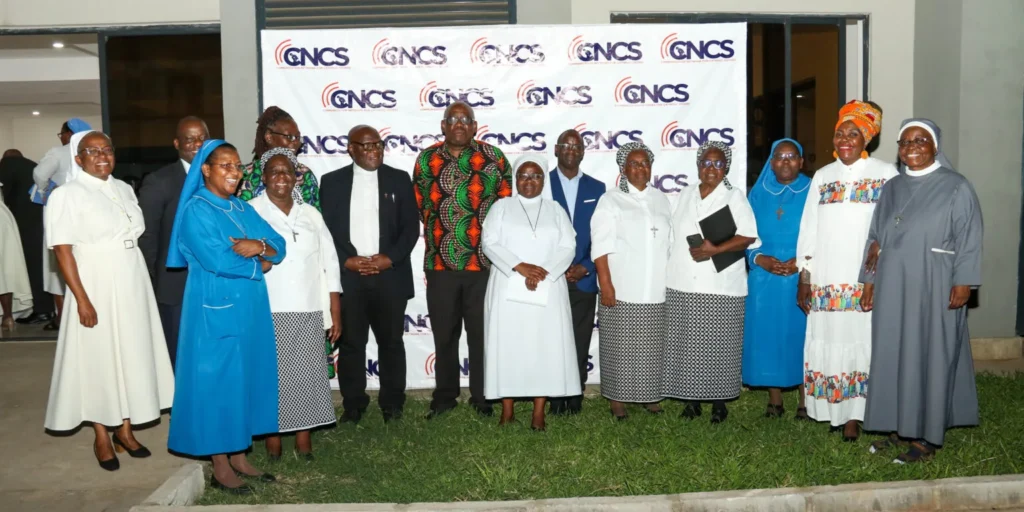
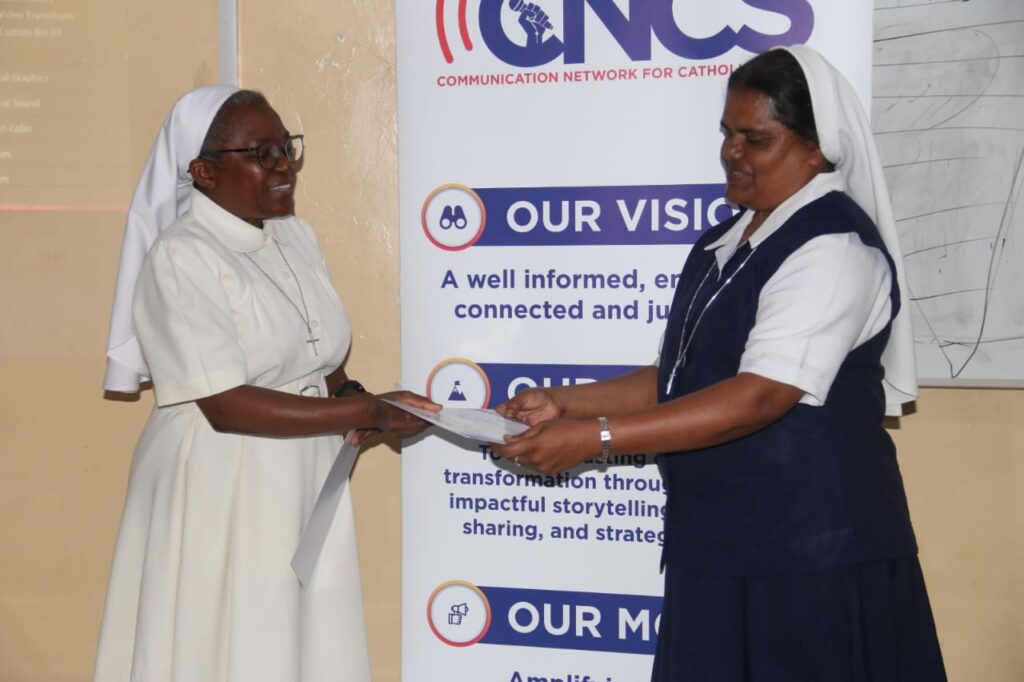
The launch at the Kalundu Conference Centre was steeped in spiritual purpose. Sister Prisca Matenga, Superior General of the Daughters of the Redeemer and CNCS Board Chairperson, honored the “founding mothers,” presenting the plan as a critical step in the Church’s synodal journey from a “theology of silence.” Sister Valeria Kabaso, Chairperson of the Zambia Association of Sisterhoods (ZAS), echoed this, naming the Sisters “beacons of hope.”
For Sr. Martha, the “theology of silence” is a barrier to holistic evangelization. The new path is one of active witness, where sharing their story becomes an extension of their ministry.
The goal is to be visible enough as Christ was visible in his preaching and healing ministry.”
This conviction transforms the act of communication from an optional tool into a sacred mandate.
The launch at the Kalundu Conference Centre was steeped in spiritual purpose. Sister Prisca Matenga, Superior General of the Daughters of the Redeemer and CNCS Board Chairperson, honored the “founding mothers,” presenting the plan as a critical step in the Church’s synodal journey from a “theology of silence.” Sister Valeria Kabaso, Chairperson of the Zambia Association of Sisterhoods (ZAS), echoed this, naming the Sisters “beacons of hope.”
For Sr. Martha, the “theology of silence” is a barrier to holistic evangelization. The new path is one of active witness, where sharing their story becomes an extension of their ministry.
The goal is to be visible enough as Christ was visible in his preaching and healing ministry”
This reframes visibility not as pride, but as a sacred duty for the common good.
From Camera-Shy to Digital Storytellers
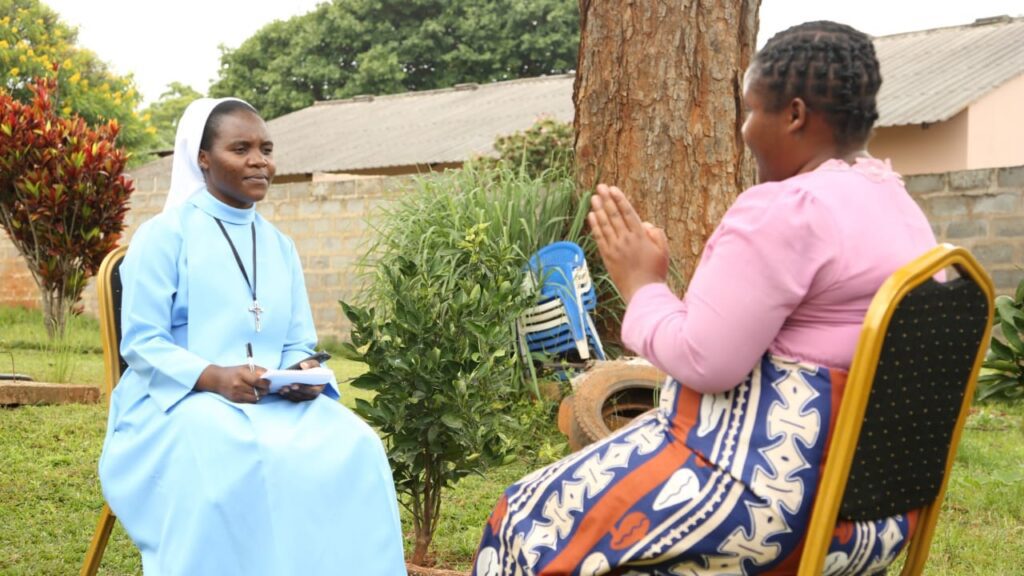
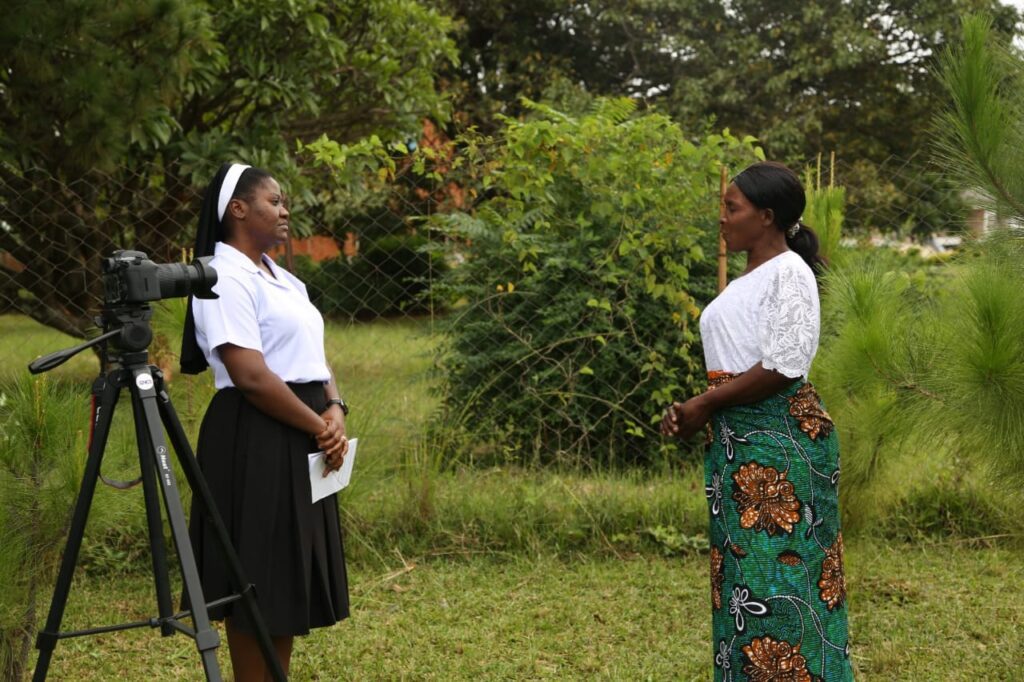
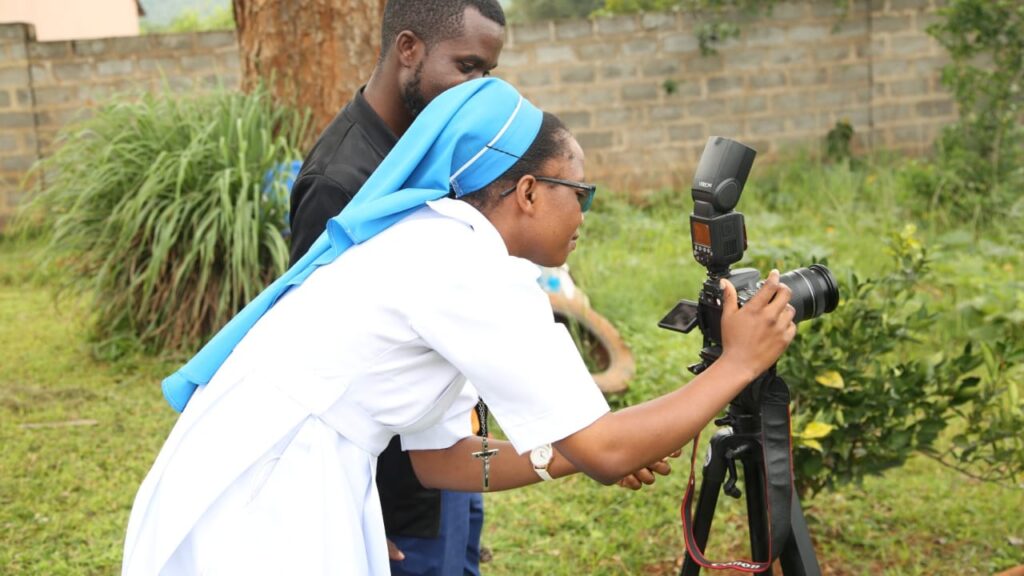
Central to this mission is a massive empowerment drive, training Sisters across Zambia in modern media arts. Sr. Martha points to a revelatory “Aha!” moment during video editing training as the catalyst for change.
“When Sisters realize they can manipulate frames, sound, and text to tell a story, they are not just learning software; they are reclaiming their narrative,” she explains.
“They realize the camera is not a barrier to their vocation, but a megaphone for it.”
This moment demystifies technology, shifting it from a distraction to a sacred tool for evangelization. Sister Rose Nyondo, Executive Director of CNCS, framed this technical empowerment in stark terms during the launch, calling it “a mandate to combat the interconnected challenges of ignorance, poverty, and disease.”
A Nation’s Call to Lift the Veil
This newfound voice is already bringing hidden stories to light, like that of the Chileshe Chepela Special School in Kasama.
“This story shows a transformative shift from deprivation to a ‘game-changing’ model of inclusive education,” Sr. Martha explains. Broadcasting such narratives nationally challenges stereotypes and advocates for inclusive policy.
The launch demonstrated a powerful coalition behind this vision. Dr. Like Nandala, an alumna, testified to the lifelong impact of the Sisters’ “motherly embrace.” Father Andrew Simpasa, SJ, underscored that “communication is the essential heartbeat of the Church’s mission.”
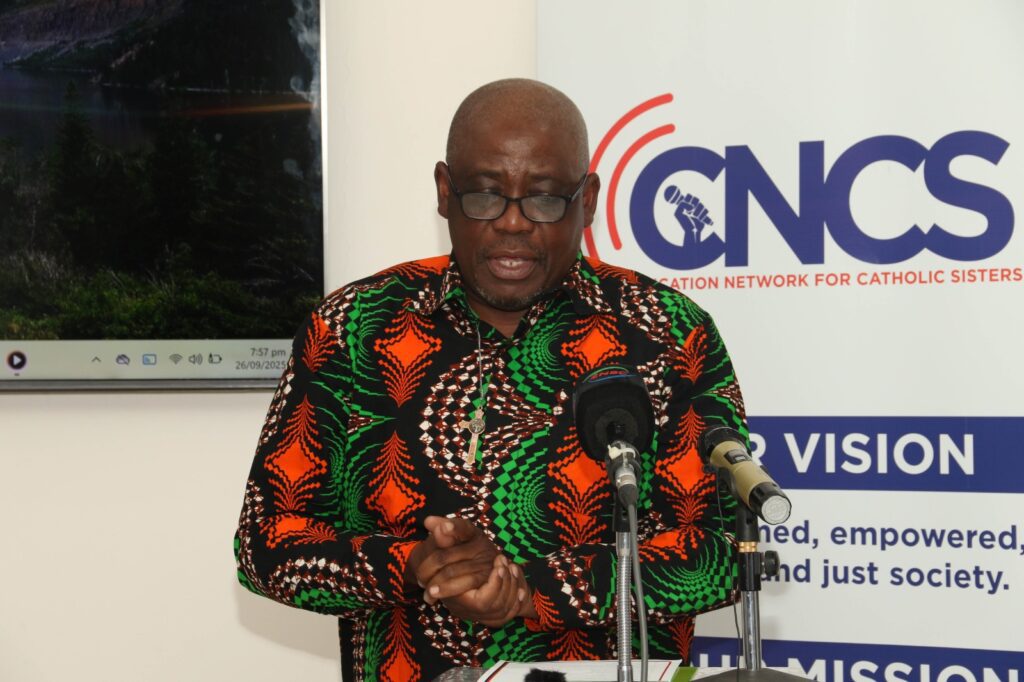
The most direct and compelling challenge, however, came from the secular world. Berry Lwando, Director General of the Zambia National Broadcasting Corporation (ZNBC), delivered an impassioned appeal.
The work that you do has always been kept at the back, subliminal, but in truth, it is extremely important work in education, in health, in hospices, in social work and in evangelization.”
He noted that Catholic institutions, many run by Sisters, continue to lead Zambia’s education sector and serve more non-Catholics than Catholics—a testament to their universal service. He then pledged a historic partnership: “As a national public broadcaster, we stand ready to partner with CNCS. We pledge to utilize our platforms… to be loud and clear for the Catholic Sisters.”
Ensuring No Sister Is Left Invisible
To ensure every Sister can participate, CNCS champions a pragmatic strategy for remote areas. Sisters are trained as “missionary-journalists” using personal mobile devices. The long-term vision is to establish regional “CNCS Digital Hubs”—fully equipped studios that will act as technical sanctuaries.
Looking to 2029, Sr. Martha Chanda’s vision encapsulates the plan’s ambitious legacy. She prays the Catholic Sisters will stand as a visible, credible moral authority—a true “media ministry of presence” that shapes national dialogue.
Guided by the plan’s pillars—Media Content Development, Media Empowerment, Institutional Development, and Strategic Partnerships—the goal is profound.
By uniting spiritual duty with skilled communication and national partnership, the once-silent rhythm of generations is being orchestrated into a resonant and prophetic symphony for Zambia.