
Why Is Pope Leo XIV Calling a Second Consistory of Cardinals This Year? An African Ecclesiological Reflection
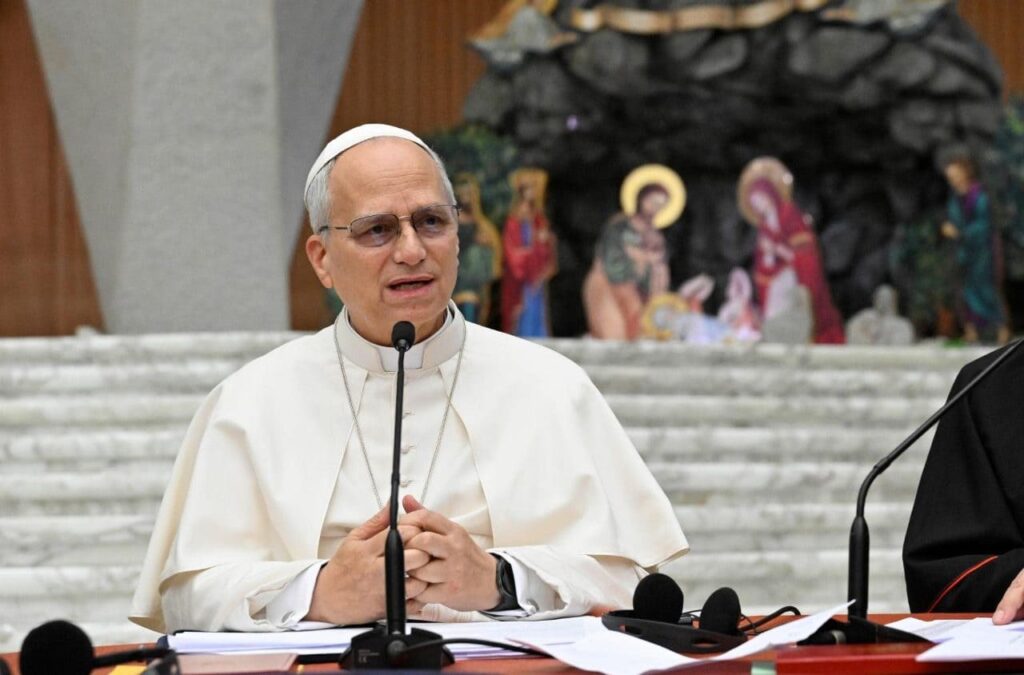
This week, Pope Leo XIV has invited the College of Cardinals to Rome for a second consistory this year, which is expected to draw approximately 170 cardinals. As Cardinal Giovanni Battista Re, Dean of the College of Cardinals, explained in his letter of invitation, the consistory is intended to be “a space of mutual listening, discernment and shared reflection on issues of particular importance for the life and mission of the Church today.”The agenda itself is revealing and builds upon the conversations begun in January, when the cardinals reflected on the themes of mission, synodality, and the liturgy, guided in part by the ecclesiological vision of Praedicate Evangelium, Pope Francis’s apostolic constitution on the reform of the Roman Curia, and by Evangelii Gaudium, his programmatic roadmap for evangelization in the contemporary world.
In this second consistory of the year, these senior churchmen will likely begin with a reflection on the international situation and the life of the local Churches. They are then expected to turn to themes of peace, power, reconciliation, and human flourishing in light of Pope Leo XIV’s first encyclical, Magnifica Humanitas. The gathering is also expected to conclude with consideration of the ongoing implementation of the Synod and preparations for the next stages of the synodal process. Taken together, these themes offer a compelling map of the hopes, anxieties, opportunities, and responsibilities facing the Catholic Church in our time.
The role of the College of Cardinals is evolving as the Church itself evolves. Catholicism today is increasingly global, polycentric, and intercultural. The demographic center of gravity of the Church has shifted significantly from its historic European heartland toward Africa, Asia, and other parts of the Global South. Pope Francis recognized this changing reality by establishing the Council of Cardinals, originally known as the G-8 and later expanded, to advise him on Church reform and governance. Yet the ecclesiological vision articulated in Praedicate Evangelium points toward a broader culture of consultation in which the wisdom and experience of the entire College of Cardinals can be more effectively integrated into the governance of the Church. This helps explain Pope Leo’s desire to gather not merely a select group of advisers, but the entire College on a regular basis.
There is also another reason why these encounters matter. The cardinals come from vastly different ecclesial, cultural, political, and pastoral contexts. Many know one another only through reputation or occasional meetings. Yet effective collaboration requires more than institutional structures; it requires relationships of trust, familiarity, and mutual understanding. Pope Leo appears to understand that some forms of discernment can occur only when people meet face-to-face, listen deeply to one another, and share their experiences in an atmosphere of prayer and openness. As the African proverb wisely reminds us, “Mountains do not meet; people do.” Some of the most important exchanges in the life of the Church can only take place in the intimate space of personal encounter.
The question is not merely what the consistory will say about Africa, but what Africa can contribute to the Church’s discernment.”
For Africa, the significance of this consistory extends beyond this week’s gathering. The continent embodies many of the realities that will dominate the discussions: societies wounded by conflict yet sustained by hope; nations struggling with political instability, economic inequality, and environmental vulnerability, yet alive with youthful zest and idealism while nurturing some of the most vibrant Christian communities in the world; and Churches seeking to proclaim the Gospel amid rapid social, technological, cultural, and demographic transformation. When Cardinal Re invites the cardinals to share the “sufferings, tensions and challenges” affecting the peoples entrusted to their care, as well as the “signs of hope, fidelity to the Gospel and prospects for reconciliation,” he is describing much of Africa’s contemporary experience.
The question, therefore, is not merely what the consistory will say about Africa, but what Africa can contribute to the Church’s discernment as it seeks pathways toward peace, integral human development, and a more synodal future for the People of God. The themes of this consistory—war and peace, power and service, reconciliation and human flourishing, synodality and mission—are lived realities in Africa. From Sudan to the Democratic Republic of Congo, from the African Sahel to Mozambique, from communities affected by poverty and migration to those confronting the promises and perils of digital transformation, African churches have accumulated pastoral wisdom born of resilience, suffering, creativity, and hope. The universal Church has much to learn from these experiences.
It is important, therefore, that African cardinals meet regularly not only with the Pope and with their brother cardinals from around the world, but also with one another. Such encounters provide opportunities to identify common pastoral concerns, deepen collaboration, and contribute more effectively to the Church’s universal discernment. The growing importance of Africa within global Catholicism requires not only greater visibility but also stronger structures of consultation, reflection, and shared pastoral planning among the continent’s ecclesial leaders. The annual consistory could become one of those privileged spaces where such conversations take place within the wider communion of the Church.
As representatives of God’s people, African cardinals—and indeed all the cardinals of the world—must also develop more intentional channels through which they can consult with the faithful entrusted to their care. The value of representation within the Church depends not only on being present in Rome but also on remaining deeply connected to the lived experiences, aspirations, fears, and hopes of one’s people. Cardinals carry with them not merely their personal opinions or theological insights; they bring the stories, struggles, and wisdom of the local Churches they serve. In an increasingly interconnected and complex world, more formal mechanisms of consultation may be needed so that the voices heard in the consistory genuinely reflect the sensus fidelium, the lived faith and experience of the People of God.
A consistory that deliberates on synodality must itself strive to become more synodal in spirit and practice.”
This is where the representational value of the College of Cardinals becomes both decisive and challenging. If annual consistories become a regular feature of governance under Pope Leo XIV, then ways of involving the wider Church in this deliberative process will need to be developed over time. A consistory that deliberates on synodality must itself strive to become more synodal in spirit and practice. This does not mean transforming the consistory into another synodal assembly. Rather, it means ensuring that the reflections and judgments brought to Rome are informed by prior listening and consultation at the local level. The voices of lay women and men, local bishops, parish communities, religious congregations, catechists, theologians, missionaries, and young people should help shape the discernment that cardinals bring to their conversations with the Holy Father.
The Church is most faithful to her mission when she listens attentively to the Holy Spirit speaking through the whole People of God.”
Such an approach would strengthen rather than weaken the role of the cardinals. The Church is most faithful to her mission when she listens attentively to the Holy Spirit speaking through the whole People of God. In this regard, Pope Leo’s initiative may offer an opportunity to develop new forms of communion between Rome and the local Churches, as well as to engage the tension that emerged during the Synod on Synodality between episcopal collegiality and ecclesial synodality, and the ongoing question about the relationship between the Petrine ministry and the lived experience of Catholic communities throughout the world.
The question on the nature of consultation and participation in the Church emerged during the January consistory and touches upon one of the most important ecclesiological questions facing the Church today. It was articulated with particular clarity by Cardinal Pablo Virgilio David of the Diocese of Kalookan in the Philippines when he raised a question that has become increasingly central to contemporary Catholic reflection: “How can we not recognize the role of women and their ministries in the Church?” As reported by Vatican News, Cardinal David noted that the inclusion of women’s voices remains a “constant concern,” recalling the work of the Commission for the Study of the Female Diaconate and the broader conversations taking place within the Church regarding women’s participation in ecclesial life and mission.
What Cardinal David is ultimately pointing toward is something much larger than a single question about ministry. He is drawing attention to the need for what the Dominican theologian Yves Congar so brilliantly described as a “total ecclesiology,” an understanding of the Church in which the whole People of God participate, each according to their vocation and charisms, in the life and mission of the Church. Long before the Second Vatican Council, Congar challenged overly clerical and narrowly institutional understandings of ecclesial life by emphasizing that the Church is a communion in which all the baptized share responsibility for Christ’s mission. Vatican II would later incorporate many of these insights, especially in Lumen Gentium, which presents the Church first and foremost as the People of God journeying together in history under the guidance of the Holy Spirit.
This conversation inevitably raises broader questions about representation within the College of Cardinals itself. To his credit, Pope Francis made significant efforts to internationalize the College by appointing cardinals from countries and regions that had never before been represented in its ranks. This helped broaden the College’s geographical and pastoral horizons and brought new voices into the heart of ecclesial governance. Nevertheless, concerns remain about the degree to which the College adequately reflects the changing face of global Catholicism. As the Church continues to grow in Africa and throughout the Global South, there will likely be increasing calls for greater representation from those regions so that the voices participating in the discernment of the universal Church more accurately reflect the lived realities of the majority of the world’s Catholics.
We are obviously still at a very early stage in the development of Pope Leo XIV’s practice of regular consultation with the College of Cardinals. It would be premature to pass judgment on the effectiveness of this approach or to speculate about its long-term institutional consequences. Much remains to be learned about how these annual consistories will function, what influence they will have on decision-making, and how they might become more inclusive and representative over time. However, the questions raised are important because they address unfinished work from Vatican II and the central aspirations of the Synod on Synodality.
Pope Leo’s second consistory may prove significant not because of any immediate decisions it produces, but because of the ecclesial culture it helps to create.”
Pope Leo’s decision to convoke a second consistory within a single year suggests that he is taking seriously the call to listen—to his brother cardinals, to the local Churches they represent, and ultimately to what the Spirit is saying to the Church in this moment of history. This insight was captured beautifully by Cardinal Stephen Brislin of South Africa following the January Consistory when he reflected on Pope Leo’s leadership style: “The Pope wants to be collegial, he wants to listen, he wants to draw on the experience and knowledge of the Cardinals who come from different parts of the world, because this can help him to guide the Church.” If that spirit of listening, humility, and shared discernment continues to grow, then Pope Leo’s second consistory may prove significant not because of any immediate decisions it produces, but because of the ecclesial culture it helps to create. May this consultation bear fruit for the Church and for the world in these troubled times.

1 comment
I have a strong sense of belonging to the global space as an African religious woman because Fr. Stan gives a voice to the African nationalities, religious women and men, the lay faithful youth and children. He is our voice